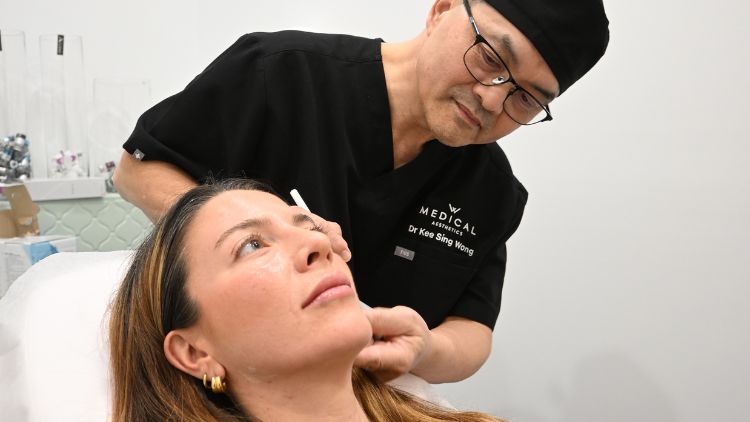
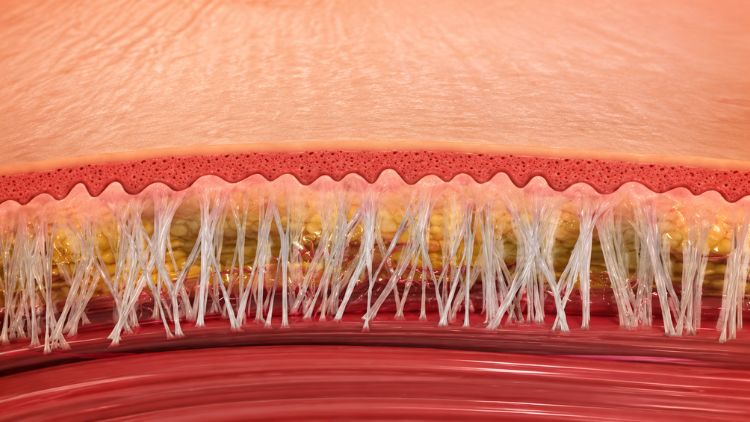
FaceTite is a minimally invasive radiofrequency procedure used to treat selected areas of facial or neck laxity and localised fat. A slim internal applicator is passed beneath the skin through small entry points while an external electrode travels over the surface. Energy moves between the two, creating controlled heating in the tissue between them.
FaceTite is not the same experience as a surface facial or a non-invasive tightening treatment. It involves anaesthesia, small access points, swelling and a genuine recovery period. If you are considering FaceTite for the jawline or under the chin, Dr Wong first assesses what is causing the change. He considers skin laxity, localised fat, volume loss, muscle position and bone structure separately.
What is the FaceTite procedure designed to do?
FaceTite is designed to tighten selected facial tissues and improve contour in areas affected by mild to moderate laxity or localised fat. The procedure uses subdermal radiofrequency energy to heat targeted tissue while monitoring temperature and impedance.
FaceTite is generally used over broader areas such as the lower face, jawline and under-chin region. AccuTite uses a smaller applicator for compact areas that require finer access. Choosing between FaceTite and AccuTite depends more on the anatomy and treatment area than on the handpiece name itself. Safe placement and movement of the applicator also require clinical skill.
What is FaceTite Turbo?
FaceTite Turbo is a minimally invasive InMode handpiece on the IgniteRF platform, designed for controlled treatment in small and delicate tissue zones. It uses radiofrequency-assisted lipolysis, or RFAL, while a rigid cannula is designed to give the doctor greater control and precision as energy is delivered beneath the skin.
FaceTite Turbo does not represent a completely different type of treatment from FaceTite. Both work in the subdermal plane using radiofrequency energy and require an internal applicator to pass beneath the skin. The “Turbo” design primarily changes how the handpiece is controlled during treatment, rather than removing the need for access points, anaesthesia or recovery.
InMode describes the rigid cannula as particularly suited to smaller, delicate tissue zones. Other clinical providers use FaceTite Turbo across areas such as the lower face, jawline, chin and neck, although the appropriate area still depends on anatomy, tissue thickness and the treatment objective.
Dr Wong would still assess whether the concern is mainly skin laxity, localised fat, volume loss or another anatomical feature before deciding whether FaceTite Turbo adds a useful technical advantage to the treatment plan.
FaceTite Turbo vs FaceTite: What is the difference?
FaceTite and FaceTite Turbo use the same underlying RFAL approach and both work beneath the skin. However, the key difference is FaceTite Turbo’s rigid cannula intended to provide greater control and precision when working within small, delicate tissue zones.
|
Feature |
FaceTite |
FaceTite Turbo |
|---|---|---|
|
Energy approach |
RFAL |
RFAL |
|
Treatment plane |
Subdermal |
Subdermal |
|
Cannula design |
Non-aspirating FaceTite cannula |
Rigid cannula |
|
Design emphasis |
Controlled treatment of small areas |
Greater control in small, delicate tissue zones |
|
Skin entry |
Required |
Required |
|
Clinical assessment |
Required |
Required |
FaceTite Turbo is therefore better understood as an updated handpiece design rather than a separate category of facial treatment. Tissue thickness, laxity, localised fat, treatment area and our technique remain more important when deciding which approach is appropriate.
For patients, the practical distinction may be less significant than the treatment plan itself. Dr Wong considers what needs to change anatomically, how much intervention is appropriate and whether a minimally invasive RF procedure is likely to provide enough change before selecting the device or handpiece.
Start with the cause of your concern
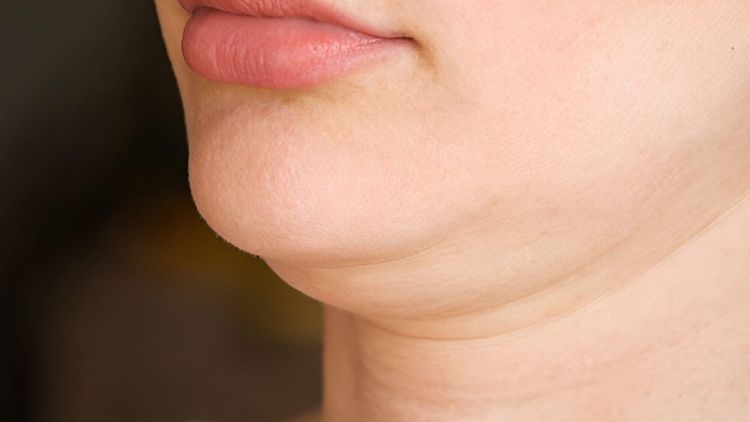
A softer jawline can result from skin laxity, localised fat, facial volume loss or significant excess skin. FaceTite may help with some of these concerns, but identifying the main cause first helps determine whether the procedure is likely to address what you want to change.
Mild to moderate skin laxity
When the skin and supporting tissue have become looser but there is not a large amount of excess skin, controlled subdermal heating may be considered. The expected change is usually a refinement rather than the skin removal and repositioning achieved with surgery.
Localised fat beneath the chin
A small pocket of fat can blur the jawline even when the skin is reasonably firm. FaceTite may be paired with aspiration where clinically appropriate. If fullness is more extensive, or the skin is unlikely to retract well, another approach may be needed.
Facial volume loss
Hollowing through the temples, cheeks or lower face can make skin look looser. Reducing fat or adding heat in a thin face may not address the real issue and could make the face look more depleted. Tell Dr Wong which features you want to preserve as well as what you want to change.
Significant excess skin
When skin hangs in folds or laxity is advanced, a non-excisional procedure may not give enough change. A surgical opinion may be the more appropriate next step when excess skin is significant, even if you ultimately decide against surgery.
What happens during a FaceTite treatment?
A FaceTite procedure usually involves assessment, anaesthesia, small skin access points, placement of the internal applicator and controlled radiofrequency delivery. The exact protocol depends on the treatment area, whether localised fat aspiration is planned and your medical needs.
- Clinical assessment, photographs and a discussion of goals, alternatives, risks and recovery
- Marking the treatment area and confirming consent on the day
- Cleaning and preparing the skin, followed by the agreed anaesthesia and comfort measures
- Creating small access points for the internal applicator
- Passing the applicator beneath the skin while the external electrode follows over the surface
- Monitoring energy, tissue response and surface temperature throughout the planned area
- Closing or dressing the access points and providing written aftercare
FaceTite is operator-dependent. The practitioner needs to understand facial anatomy, control the depth of the applicator and keep it moving evenly. Device safeguards can assist with monitoring, but they do not replace clinical judgement.
What to know about the FaceTite recovery process
What to plan for
Swelling, bruising, tenderness and temporary changes in sensation are common early effects. The treated area can feel firm, tight or uneven while swelling settles. Small entry points need time to heal, and a compression garment may be recommended depending on the area and plan.
Visible recovery is not identical for everyone. Some people may feel ready for desk-based work before bruising or swelling has fully settled; others need more time. Strenuous exercise, heat, alcohol, skincare, makeup and massage may need to be modified for the period you are given.
If you have a public-facing job, caregiving responsibilities, travel or an important event, discuss those details before choosing a date. Planning for possible swelling and follow-up gives you more flexibility if recovery takes longer than expected.
When to contact the clinic
W Medical Aesthetics will give you specific instructions and review guidance. Contact the clinic promptly if pain is worsening, swelling is rapidly increasing or very uneven, or the skin becomes blistered, unusually pale or dusky. Also seek advice for spreading redness, discharge, feeling unwell, or a concerning change in movement or sensation. You do not need to wait for a scheduled review when something feels wrong.
Risks and complications to understand
FaceTite has a different risk profile from surface-based RF or ultrasound treatments because an applicator passes beneath the skin and delivers heat internally. This makes understanding procedural risks and aftercare particularly important before deciding whether FaceTite suits you. Possible risks include:
- Bleeding, bruising, swelling, tenderness and haematoma
- Infection, delayed healing or visible scarring at an access point
- Burns or other thermal injury to the skin or deeper tissue
- Seroma or fluid collection
- Temporary or persistent numbness, altered sensation or nerve injury
- Contour irregularity, asymmetry, firmness, nodules or an unwanted loss of fat
- An anaesthetic reaction or another complication related to medicines used during the procedure
- An outcome that is smaller, different or less durable than expected
The chance and significance of each risk depend on the area, technique, health history and procedures combined with FaceTite. Dr Wong should explain the material risks that apply to your plan, not only a general list.
Who may be suitable for FaceTite?
FaceTite may be considered for mild to moderate tissue laxity, sometimes with a limited pocket of localised fat. It may suit someone seeking more intervention than a surface-based treatment and who is comfortable with a minimally invasive procedure and recovery. Good health, realistic expectations and the ability to follow aftercare also matter.
Treatment may need to be delayed if the area is infected or inflamed, or if healing is impaired. Pregnancy, certain medical conditions, incompatible implants, recent procedures and some medicines may also affect suitability. Please share your complete medical and procedural history, including previous facial surgery, threads, energy treatments and permanent material in the area.
FaceTite compared with less invasive and surgical options
FaceTite sits between surface-based tightening treatments and excisional surgery in terms of invasiveness, recovery and degree of intervention. Unlike XERF or HIFU, it places an applicator beneath the skin. Unlike a facelift or neck lift, FaceTite does not remove significant excess skin or surgically reposition deeper tissues.
FaceTite vs XERF or external radiofrequency
XERF and other external RF treatments deliver energy from the skin surface and do not require entry points. They may suit milder laxity or someone who prioritises a less invasive treatment. FaceTite delivers energy beneath the skin and may be considered when a more direct approach to subdermal tissue or localised fat is relevant. Because the applicator enters beneath the skin, recovery and procedural risks are greater than with surface-based RF.
FaceTite vs HIFU
HIFU is also non-invasive: focused ultrasound creates thermal points at selected depths from the surface. It does not aspirate fat and generally aims for a more modest change in mild to moderate laxity. FaceTite and HIFU are therefore not interchangeable versions of the same procedure.
FaceTite vs facelift or neck lift
Surgery can remove excess skin and reposition deeper tissues. It brings incisions, anaesthesia, longer recovery and surgical risks, but it can address advanced laxity more directly. Choosing FaceTite to avoid surgery only makes sense when the expected non-excisional change is enough for your goal.
|
Treatment |
Energy approach |
Skin entry |
Recovery |
May suit |
|---|---|---|---|---|
|
FaceTite |
Subdermal RF |
Yes |
Moderate |
Laxity with selected localised fat |
|
XERF / external RF |
Surface RF |
No |
Lower |
Milder laxity |
|
HIFU |
Focused ultrasound |
No |
Lower |
Selected mild to moderate laxity |
|
Facelift / neck lift |
Surgical repositioning |
Yes: surgical incisions |
Higher |
Significant excess skin or advanced laxity |
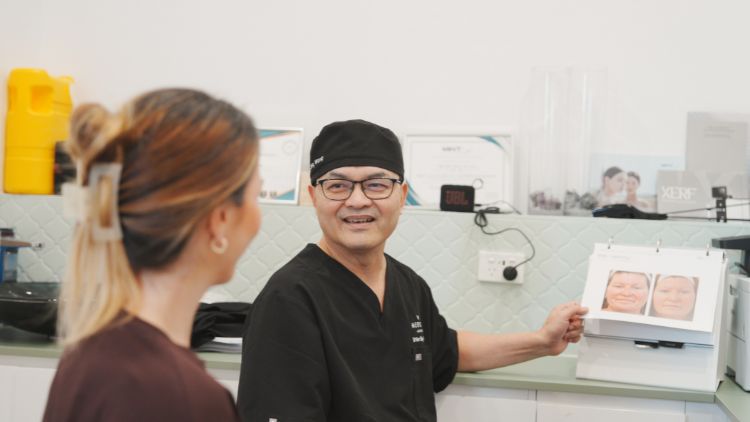
Dr Wong discussing anatomy during consultation
What does the evidence tell us?
Published research supports a biological effect from radiofrequency heating and includes studies of subdermal radiofrequency-assisted contouring. However, FaceTite-specific evidence is less robust than the volume of promotional material may suggest. Studies often involve small groups, combined procedures, subjective outcome measures or authors connected with device development.
A systematic review of radiofrequency and adipose tissue also found wide variation in protocols and generally low methodological quality. This makes precise promises about the amount of tightening, fat reduction or how long a result will last difficult to justify.
A cautious interpretation is that FaceTite may produce a meaningful change in a well-selected area, but the degree and durability of that change cannot be guaranteed. Ageing, weight change, skin quality and the original anatomy continue to influence the area afterwards.
How many FaceTite treatments might be needed?
FaceTite is not a treatment that should be planned around a fixed number of appointments for every person. The appropriate approach depends on the anatomy, treatment area, whether localised fat is being addressed and the degree of change that is realistic.
Dr Wong reviews whether FaceTite alone is appropriate, whether a combined procedure is being considered, or whether another treatment would better address the concern.
How Dr Wong approaches a FaceTite consultation
Dr Wong assesses the lower face and neck both at rest and in movement. He considers skin elasticity, tissue thickness, localised fat, volume distribution and existing asymmetry. He also reviews your medical history, prior procedures, medicines, recovery capacity and the degree of change you would consider worthwhile.
You should leave the consultation understanding:
- Which anatomical feature the procedure is intended to change
- Whether FaceTite alone or a combined procedure is being discussed
- What anaesthesia, aftercare and follow-up are proposed
- What visible recovery could affect work, exercise or social plans
- Which risks are most relevant to your area and health
- What the reasonable alternatives are, including surgery, a less invasive option or no procedure
Frequently asked questions about FaceTite
Is FaceTite the same as a facelift?
No. FaceTite is a minimally invasive radiofrequency procedure that works beneath the skin through small access points. A facelift or neck lift is surgery that can remove excess skin and reposition deeper tissues. FaceTite may suit selected laxity concerns, but it cannot reproduce the degree of change possible with excisional surgery.
How long does FaceTite recovery take?
Recovery varies between people and treatment plans. Swelling, bruising, tenderness, firmness and temporary changes in sensation can occur while the area settles. Your work, exercise, social plans and any compression or aftercare requirements should be discussed with Dr Wong before choosing a treatment date.
When can FaceTite results be assessed?
FaceTite should not be judged while early swelling, firmness or unevenness is still changing. Dr Wong reviews the treated area after sufficient recovery to decide whether the result can be meaningfully assessed and whether any further treatment should be considered.
How long can FaceTite results last?
The durability of FaceTite results cannot be guaranteed. Ageing, weight change, skin quality and your starting anatomy continue to affect the treated area over time. Published evidence also varies in study design, which makes precise promises about how long a result will last difficult to support.
How much does FaceTite cost in Adelaide?
FaceTite pricing depends on the area treated, whether localised fat treatment or another procedure is combined, and the treatment plan recommended after assessment. W Medical Aesthetics can confirm current pricing before you decide whether to proceed.
Making a decision without pressure
FaceTite sits between non-invasive treatment and excisional surgery in terms of intervention and recovery. Small entry points do not mean the procedure should be considered minor. The decision deserves the same calm attention to anatomy, risks, recovery and alternatives as any other minimally invasive cosmetic procedure.
At W Medical Aesthetics in Adelaide, Dr KS Wong can explain whether FaceTite, AccuTite, another approach or waiting is more appropriate for the change you want. A consultation is a chance to understand your options and does not commit you to treatment.
Practitioner and information scope
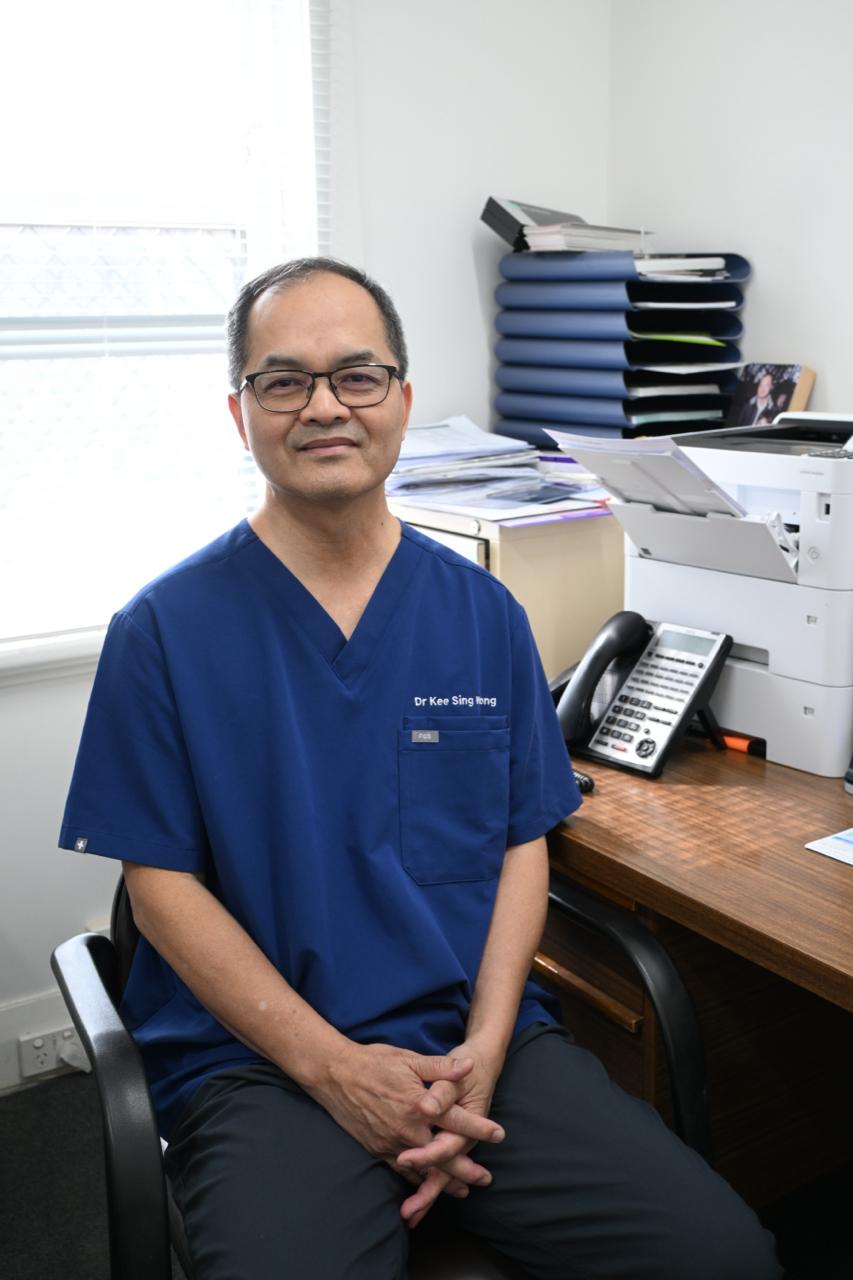
Dr Kee Sing Wong (Ahpra MED0000996242) is a registered medical practitioner with general registration and specialist registration in general practice. Registration status: Registered, as stated in the clinic’s professional profile. His FACCSM (Med) fellowship is not specialist registration in plastic surgery.
This article provides general information, not individual medical advice or a recommendation to undergo treatment. Suitability, outcomes, recovery and maintenance vary. Discuss procedure-specific risks, alternatives and the option not to proceed with the treating practitioner.