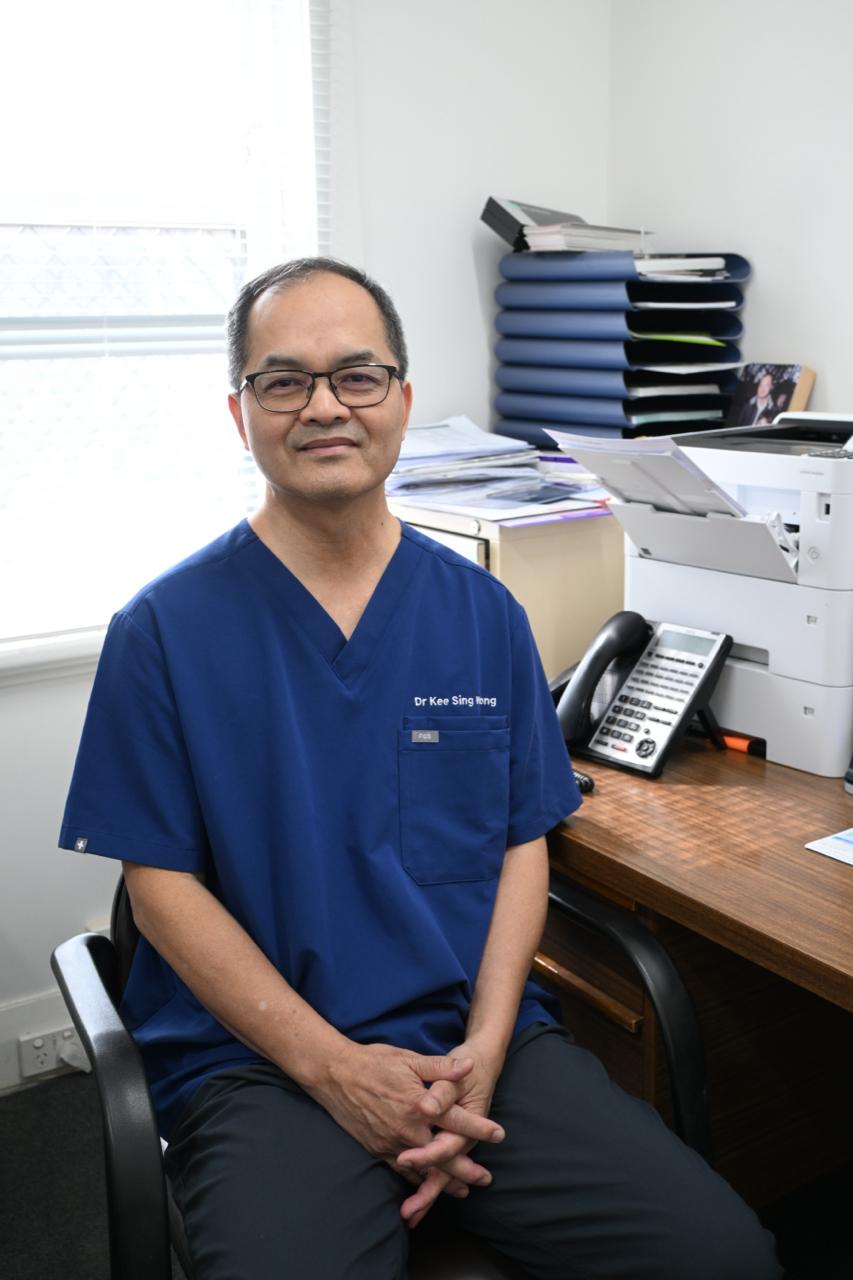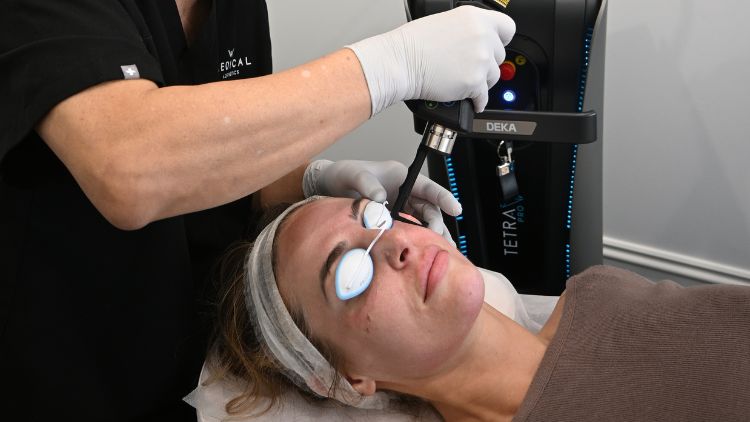
CO2 laser for wrinkles may soften selected lines visible at rest and improve sun-related skin texture. It cannot stop facial movement or remove deep folds. At W Medical Aesthetics in Adelaide, Dr KS Wong assesses the line pattern, skin history and recovery you can manage before discussing whether resurfacing suits you.
How does CO2 laser work on wrinkles?
CO2 laser treatment for wrinkles is a form of ablative resurfacing. It removes controlled amounts of surface tissue and creates a healing response that can improve skin texture and soften some wrinkles. Fractional CO2 treatment places small treatment zones among areas of untreated skin. The treatment settings and depth affect both the possible change and the recovery required.
Which wrinkles are more likely to respond?
Lines present at rest are generally a more relevant target for resurfacing than lines caused mainly by repeated muscle movement. Clinical studies have examined fractional CO2 laser for static wrinkles around the eyes, but their findings cannot predict an individual result. Study populations, laser settings and follow-up periods differ.
The distinction is useful when considering different parts of the face:
|
Concern |
What CO2 resurfacing may address |
Main limitation |
|---|---|---|
|
Fine lines visible at rest |
Surface texture and the appearance of selected lines |
Change varies with line depth and healing |
|
Lines that appear mainly with expression |
Any line that also remains etched into the skin at rest |
Resurfacing does not stop the underlying muscle movement |
|
Deep folds or substantial loose skin |
Associated surface texture |
Resurfacing does not replace lost volume or lift loose tissue |
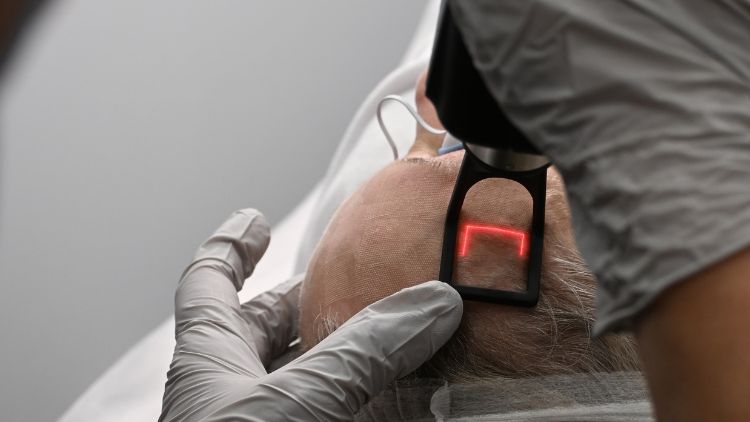
CO2 laser for forehead wrinkles may be more relevant when the lines remain visible even with the brows relaxed. It does not stop the muscle movement that forms expression lines.
At W Medical Aesthetics, Dr Wong examines the lines at rest and with facial movement before discussing whether Tetra Pro CO2 Laser suits the concern. Around the eyes, for example, fine lines can overlap with crepey skin, hollowing, puffiness or eyelid laxity. Each concern needs to be assessed separately before discussing treatment. W Medical’sCO2 laser under eyes explainer examines that area in more detail.
What results are realistic?
CO2 resurfacing may make selected wrinkles less noticeable, but complete removal is not a realistic expectation. CO2 laser for fine lines around the mouth may soften lines etched into the skin. CO2 laser for wrinkles around the mouth is less likely to change a deep fold caused mainly by volume loss or movement. The visible change also depends on treatment intensity, skin characteristics and healing response. Studies of CO2 resurfacing use different devices, settings and ways of measuring wrinkles. Their results cannot predict how much one person’s lines will change.
The skin also needs time to heal before its appearance can be judged. Redness and changes in skin texture can remain after peeling has settled. Meanwhile, facial movement and sun exposure continue to affect the skin. Dr Wong can explain what degree of change is reasonable to discuss for your particular concern and whether the likely benefit justifies the recovery.
If sun-related texture change is the broader concern, W Medical’sskin assessment options explain why different areas may call for different approaches.
What does recovery involve?
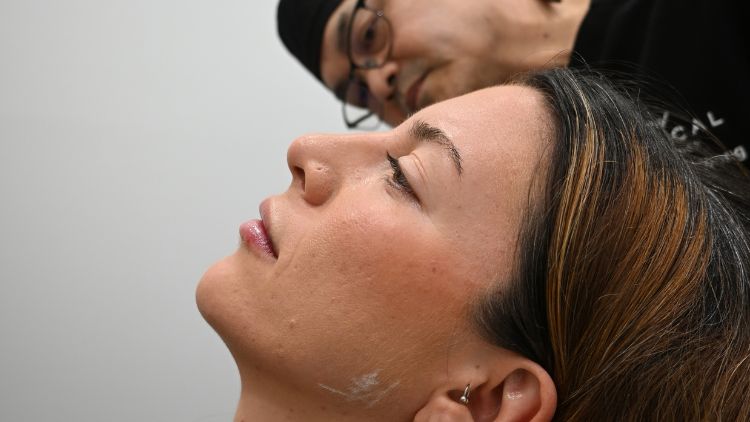
Recovery depends on the area treated and the intensity of resurfacing. Redness, swelling, warmth, peeling and crusting can occur. More intensive treatment generally needs more visible healing and closer aftercare. Pinkness can remain after peeling settles. If you have an event coming up, ask Dr Wong how much visible recovery to allow for the treatment being considered.
Before treatment, ask how long the skin is expected to look visibly treated, what care it will need and when you can resume your usual skincare. Follow the instructions provided for cleansing, moisturising and sun protection. Avoid picking at healing skin. If symptoms worsen instead of settling, contact the clinic for advice.
The fee can also vary with the area, intensity and care involved. W Medical discusses these factors in itsCO2 laser resurfacing cost guide. Dr Wong can confirm the cost of your proposed plan before you decide whether to proceed.
What risks and suitability factors should be discussed?
CO2 resurfacing carries risks beyond the expected short-term redness and peeling. These include infection, prolonged redness, changes in pigmentation, delayed healing, scarring and a result that does not meet expectations. Pigment change needs particular attention when someone has a darker skin tone or a history of post-inflammatory pigmentation.
Dr Wong considers whether the lines are present at rest or mainly with movement. He reviews skin tone, pigmentation and cold-sore history, recent sun exposure, medications and previous healing. The assessment also considers whether recovery fits your work, commitments and upcoming events.
An assessment with Dr Wong can clarify whether the lines are likely to respond, what recovery may involve and what the proposed plan would cost. You can then decide whether to proceed, consider another approach or leave the concern untreated.
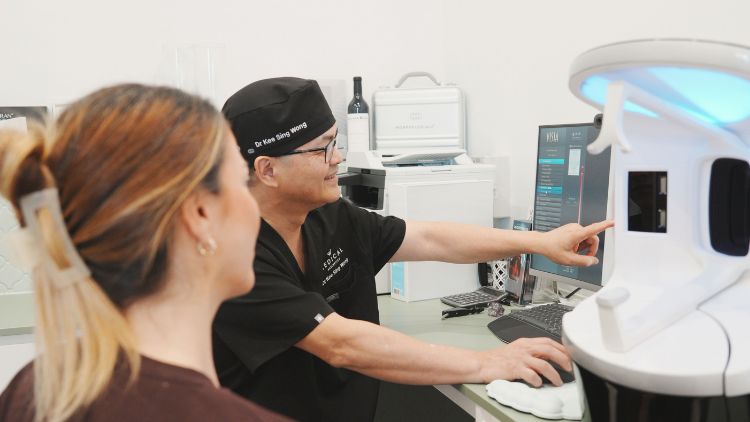
Frequently asked questions about CO2 laser for wrinkles
Can CO2 laser remove wrinkles completely?
No. CO2 resurfacing may soften selected lines that remain visible when the face is at rest, but it cannot remove every wrinkle. Deep folds, substantial loose skin and lines driven mainly by facial movement may need a different discussion. Dr Wong assesses what is causing the line before explaining what degree of change is realistic.
How long does it take to see a change?
The skin needs to heal before you can judge its appearance. Peeling may settle before redness does, and skin remodelling continues beyond the initial recovery period. The timeline depends on the treatment area, intensity and individual healing. Dr Wong can discuss the expected recovery for a proposed plan, especially if you have an upcoming event.
How many CO2 laser appointments are needed for wrinkles?
There is no standard number for everyone. The appropriate plan depends on the wrinkle pattern, treatment settings, response and recovery. More appointments do not automatically produce a better outcome. Dr Wong can review the skin after healing before discussing whether any further treatment is worthwhile.
Is CO2 laser suitable for darker skin tones?
It requires careful individual assessment. Darker skin tones and a history of post-inflammatory pigmentation can increase concern about colour changes after resurfacing. Dr Wong should review your pigment and healing history alongside the expected benefit before deciding whether CO2 laser, another approach or no procedure is appropriate.
How much does CO2 laser for wrinkles cost in Adelaide?
The fee depends on the area treated, the planned intensity and the care involved. W Medical Aesthetics does not have one fee that applies to every CO2 resurfacing plan. Dr Wong can confirm the relevant cost after assessing suitability and explaining the proposed approach, recovery and risks.
Conclusion
CO2 laser for wrinkles may soften selected lines and improve skin texture, but the degree of change and recovery differ between people. Dr Wong can assess whether the lines come mainly from skin texture, facial movement or a deeper fold, then explain which options are worth considering. You can book an assessment with Dr Wong at W Medical Aesthetics in Adelaide to discuss suitability, risks and alternatives. If you are unsure about booking, you can contact the clinic with a question first.
This page provides general information and does not replace an in-person assessment. Individual responses, results and recovery differ. Dr KS Wong assesses your skin, medical history and goals before recommending anything. All procedures carry risks that should be discussed beforehand.
Further reading
- Reference 1: pmc.ncbi.nlm.nih.gov
- Reference 2: pubmed.ncbi.nlm.nih.gov
- Reference 3: www.plasticsurgery.org
- Reference 4: pubmed.ncbi.nlm.nih.gov
Practitioner and information scope
Dr Kee Sing Wong (Ahpra MED0000996242) is a registered medical practitioner with general registration and specialist registration in general practice. Registration status: Registered, as stated in the clinic’s professional profile. His FACCSM (Med) fellowship is not specialist registration in plastic surgery.
This article provides general information, not individual medical advice or a recommendation to undergo treatment. Suitability, outcomes, recovery and maintenance vary. Discuss procedure-specific risks, alternatives and the option not to proceed with the treating practitioner.