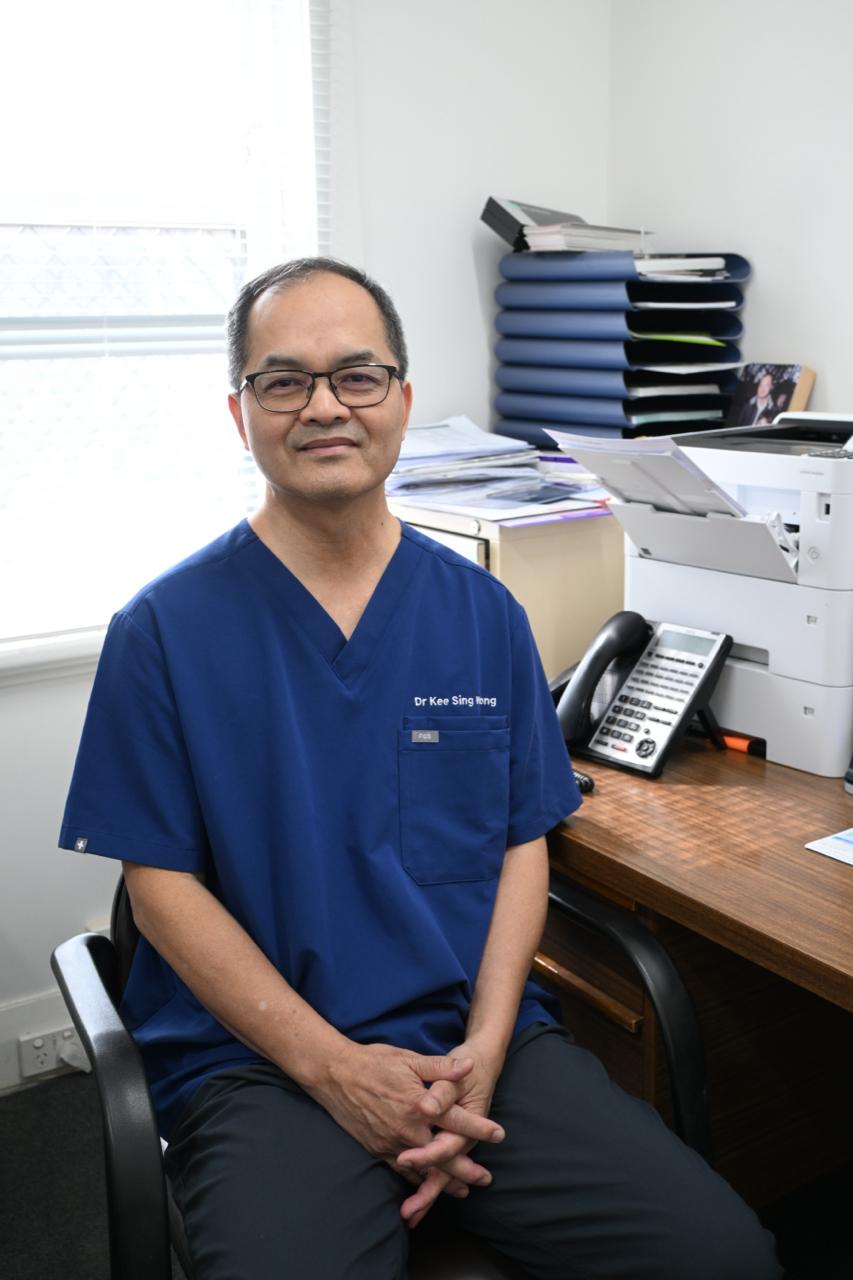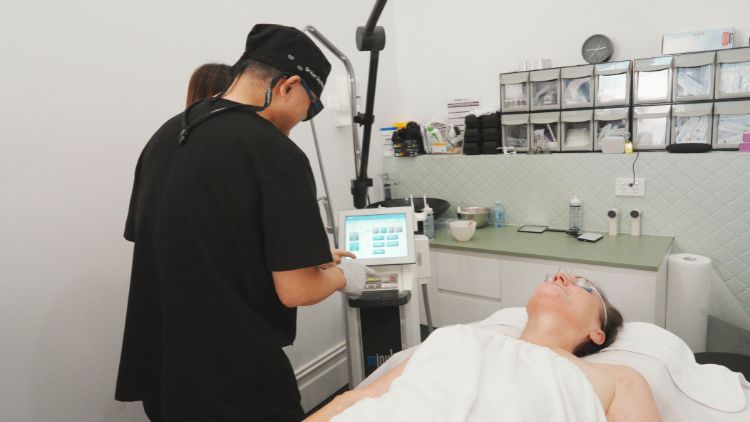
Laser freckle removal can lighten some benign pigmented spots, but a brown mark needs to be identified before it is treated. True freckles, sun spots and melasma behave differently. At W Medical Aesthetics in Adelaide, Dr KS Wong assesses the spot, your skin history and the risk of pigment changes before discussing whether laser suits you.
Can laser get rid of freckles?
Laser therapy for freckles may reduce the appearance of selected spots by targeting pigment in the skin. The result varies with the type of spot and your skin’s response. Freckles can become visible again with sun exposure, so a lighter spot after treatment does not mean it has been removed permanently.
Before considering a procedure, Dr Wong needs to establish whether the marks are freckles, sun spots or another form of pigmentation. Freckles and sun spots can look similar, but they may respond differently to treatment.
W Medical’spigmentation assessment considers the pattern of the marks before any cosmetic procedure is discussed. If a spot is uncertain or changing, it needs medical assessment rather than routine cosmetic treatment.
Are the brown marks actually freckles?
Several kinds of pigmentation can appear as brown marks on the face. Telling them apart matters because the expected response and risks are different.
How do freckles differ from sun spots and melasma?
True freckles, called ephelides, often darken with sun exposure and become less noticeable when exposure decreases. Sun spots, called solar lentigines, tend to persist rather than fade seasonally. Melasma more often appears as broader, patchy facial pigmentation. These patterns help describe a concern, but they cannot establish a diagnosis from a photograph.
|
Type of mark |
Usual pattern |
Why the distinction matters |
|---|---|---|
|
True freckles (ephelides) |
Small marks that often darken with sun exposure and fade when sun exposure decreases |
They may lighten after treatment but can become visible again. |
|
Sun spots (solar lentigines) |
More persistent, usually well-defined marks on sun-exposed skin |
A spot may be suitable for a pigment-focused procedure once its diagnosis is clear. |
|
Melasma |
Broader, often patchy facial pigmentation |
It needs a different plan; laser or light-related inflammation may aggravate pigmentation in some people. |
|
A new or changing lesion |
A mark that changes in size, shape or colour, or looks unlike nearby spots |
It needs an appropriate medical assessment before cosmetic treatment. |
Which spots need checking first?
Arrange a medical assessment for a spot that is new, changing, irregular, has several colours or stands out from your other marks. Do not have its colour treated first: changing the appearance of a lesion could make an appropriate diagnosis more difficult or delay it. Cancer Council Australia advises seeking medical advice about new or changing skin lesions.
A cosmetic pigmentation appointment and a dedicated skin cancer check may serve different purposes. If a mark raises concern, Dr Wong can explain what further assessment is appropriate before discussing its cosmetic appearance.
What is the best laser treatment for freckles?
There is no single best laser treatment for freckles. The choice depends on what the marks are, how they are distributed, your skin tone, previous reactions to inflammation and the outcome you hope to achieve. Dr Wong needs to assess those factors before discussing whether an available procedure suits you.
How is a pigment-targeting laser different from resurfacing?
A pigment-targeting laser may be considered for a defined brown spot, whereas resurfacing addresses broader concerns such as uneven texture. Neither approach should be chosen before the marks are identified: treating individual spots may not address widespread or patchy pigmentation.
Dr Wong can explain what a suitable option may change, what could remain and whether the possible benefit is worth the risk of an unwanted colour change.
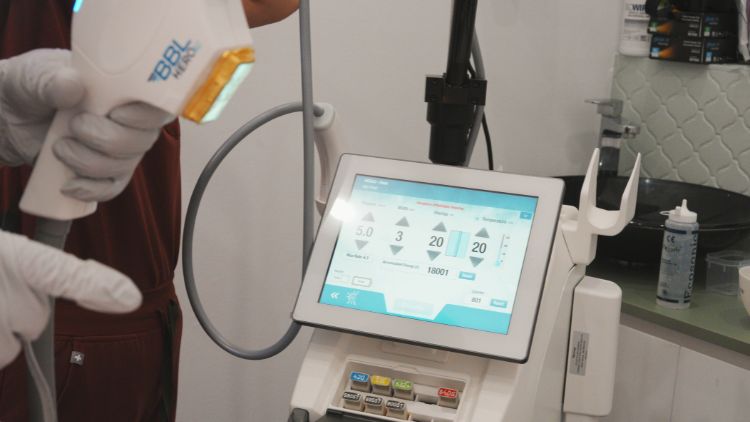
How is BBL HEROic different from laser?
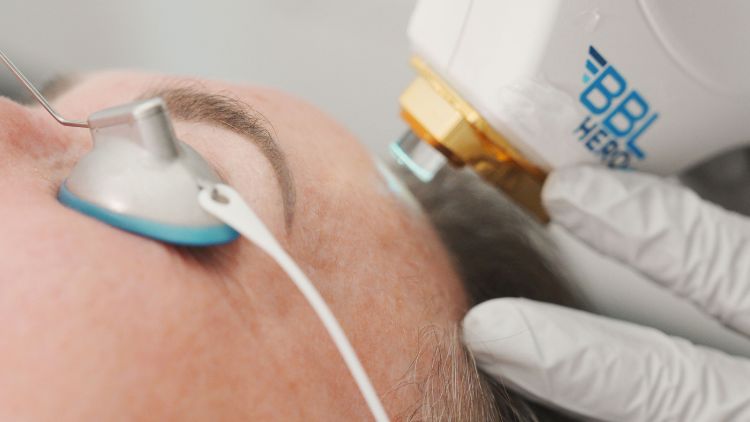
BBL HEROic uses BroadBand Light rather than laser energy. W Medical lists it as an option that may be considered for selected freckles and other sun-related brown spots after an assessment of skin type, pigment pattern and risk factors. The choice between BBL HEROic and a laser depends on the marks being assessed and your skin’s risk factors.
If Dr Wong discusses BBL HEROic, ask why it may suit the marks identified on your skin, what change is realistic and what risks apply. An assessment may also lead to advice to wait, seek further assessment of a lesion or leave a benign spot untreated.
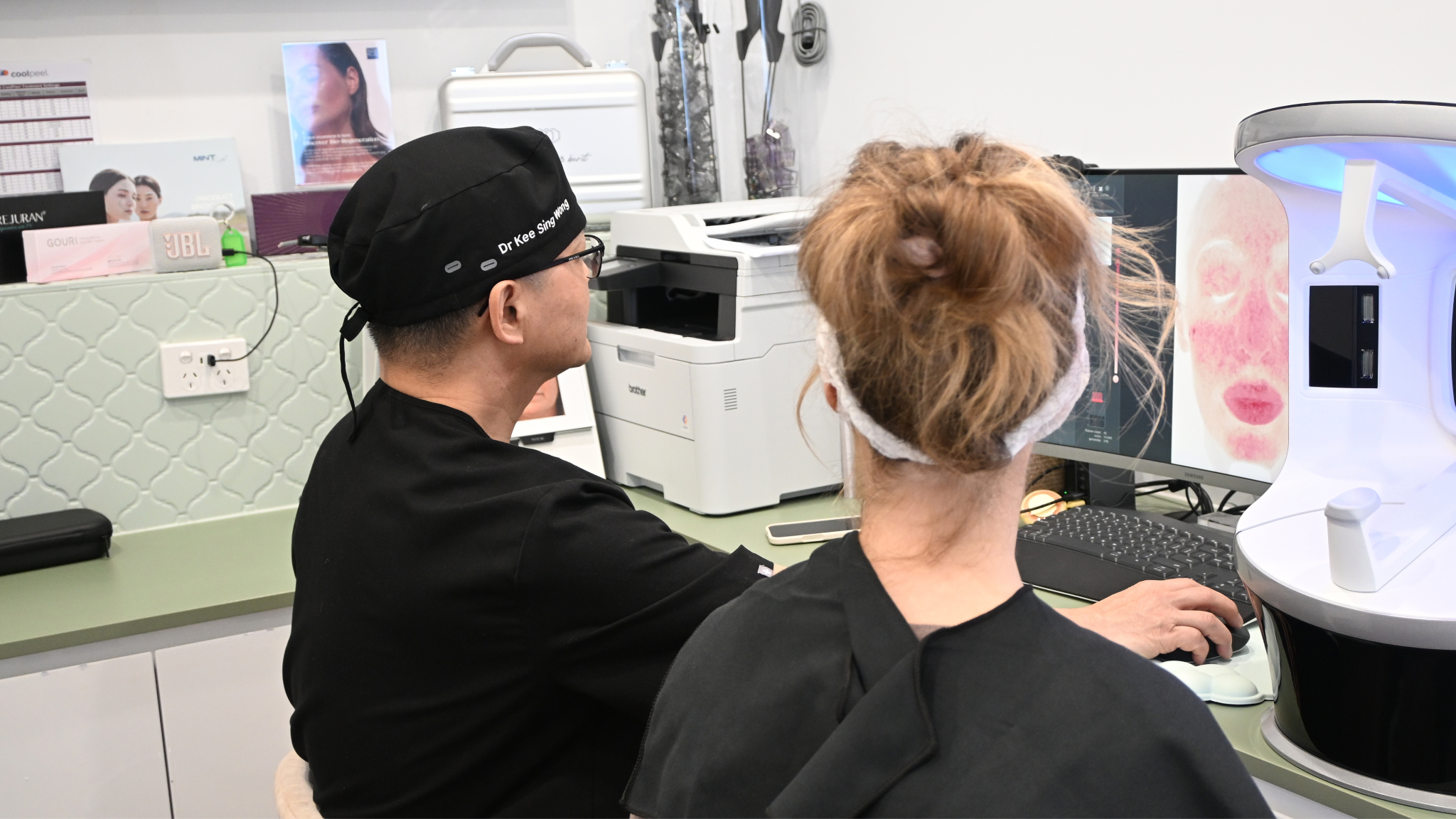
What does Dr Wong assess before discussing treatment?
Before any pigment procedure is planned, Dr Wong needs to examine the marks and ask about factors that may change the decision. These can include:
- Whether the marks are longstanding, new or changing.
- Recent sun exposure or tanning.
- Whether acne, injuries or previous procedures have left darker or lighter marks.
- Previous laser or light treatments and how your skin responded.
- Relevant medical history and products or medicines you use on the area.
- Your expectations and any work, travel or event plans that affect recovery.
A spot might respond to treatment, but the possible improvement still needs to be weighed against the risk of an unwanted colour change. If the diagnosis is uncertain, investigating the mark comes before choosing cosmetic settings.
Ask which device or procedure is proposed and why. You should also know what visible skin reaction is expected, whether more than one appointment might be discussed, what aftercare involves and what would prompt a review. No number of sessions or recovery period can be promised for an unidentified spot.
What are the risks and recovery considerations?
Laser and light treatment of pigmentation may cause redness, swelling, irritation or temporary darkening. A darker or lighter mark can sometimes last longer. The reaction and recovery depend on the procedure, the area treated and how your skin responds.
What changes might you notice after treatment?
A treated spot may look darker before its later appearance can be judged. That early change alone does not establish the final result. A history of darker marks after acne, injury or a procedure is relevant because post-inflammatory hyperpigmentation may affect the risk discussion.
Before planning treatment around work, travel or an event, ask Dr Wong what visible reaction he expects for the procedure being considered. Follow the aftercare advice you receive, avoid picking at the area and contact the clinic if a reaction worsens or differs from what you were told to expect.
Can freckles return after treatment?
Yes. Freckles can darken again with ultraviolet exposure, and new sun-related spots may develop over time. Sun protection remains relevant even if treated marks become less visible; it cannot guarantee that pigmentation will never recur.
A procedure may lighten selected marks without changing your skin’s tendency to form freckles. Dr Wong can help you weigh the likely change against recovery, pigment risks and the possibility of future pigmentation.
Is laser treatment for freckles on the face suitable for everyone?
Laser treatment for freckles on face may be worth discussing when the marks have been properly identified and the expected benefit is reasonable relative to the risks. It may be less suitable, or require a different discussion, when pigmentation is widespread or patchy, a lesion is uncertain, there has been recent sun exposure, or you have a history of troublesome pigment changes.
Dr Wong considers your skin tone, the type and depth of pigment, previous colour changes after inflammation and the procedure being discussed. If the marks are melasma rather than discrete freckles, a plan focused on an individual spot may miss the broader condition. Melasma management commonly includes ongoing sun protection, and laser or light is considered cautiously rather than assumed to be the first step.
You can ask W Medical Aesthetics a question or book an assessment with Dr Wong in Adelaide without committing to a procedure. The appointment gives you a chance to understand what the marks may be, whether they need further checking, and the benefits and risks of any suitable options.
This page provides general information and does not replace an in-person assessment. Individual responses and results differ. Dr KS Wong assesses your skin, medical history and goals before recommending anything. All procedures carry risks that should be discussed beforehand.
Further reading
Practitioner and information scope
Dr Kee Sing Wong (Ahpra MED0000996242) is a registered medical practitioner with general registration and specialist registration in general practice. Registration status: Registered, as stated in the clinic’s professional profile. His FACCSM (Med) fellowship is not specialist registration in plastic surgery.
This article provides general information, not individual medical advice or a recommendation to undergo treatment. Suitability, outcomes, recovery and maintenance vary. Discuss procedure-specific risks, alternatives and the option not to proceed with the treating practitioner.