Lower face and jawline
Assessment may consider early jowls and changes in lower facial contour. Suitability depends on anatomy and the concern identified.
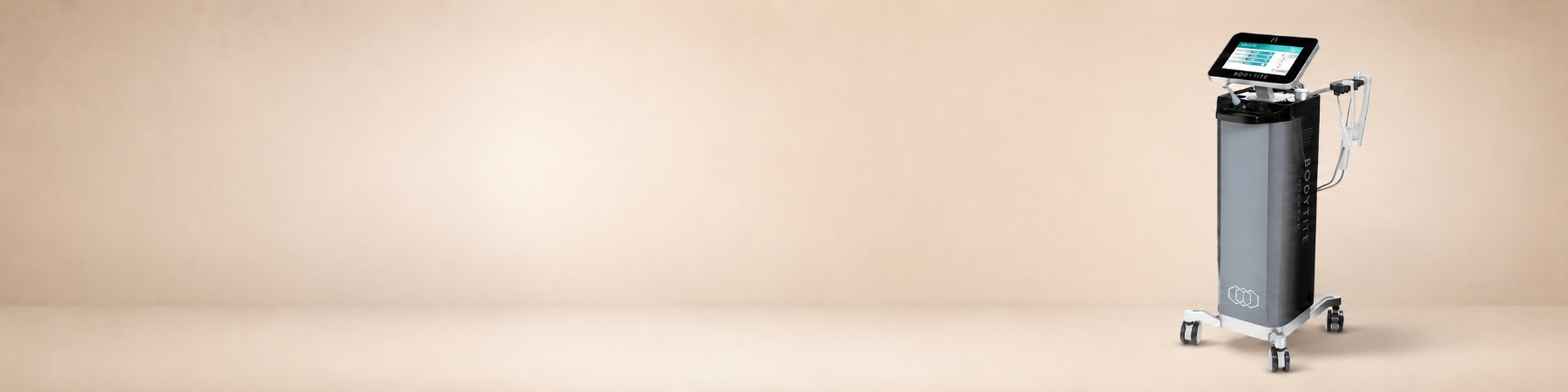
Minimally invasive radiofrequency procedures
Dr Wong assesses facial anatomy, contour concerns and recovery preferences before discussing whether FaceTite or AccuTite may be appropriate.
Request a consultationFaceTite and AccuTite are minimally invasive radiofrequency procedures for selected contour concerns. FaceTite is generally used for broader areas such as the lower face and neck; AccuTite is designed for smaller areas requiring greater precision.
An individual consultation is needed to discuss suitability, limitations, alternatives and risks.
Assessment may consider early jowls and changes in lower facial contour. Suitability depends on anatomy and the concern identified.
Selected localised fullness or contour concerns may be assessed. These procedures are not interchangeable with a surgical lift.
AccuTite may be considered for smaller areas requiring precision. Brow and upper-eye areas require particular care and individual assessment.
Dr Wong reviews medical history, previous procedures, skin condition and recovery preferences. Another approach or no procedure may be appropriate.
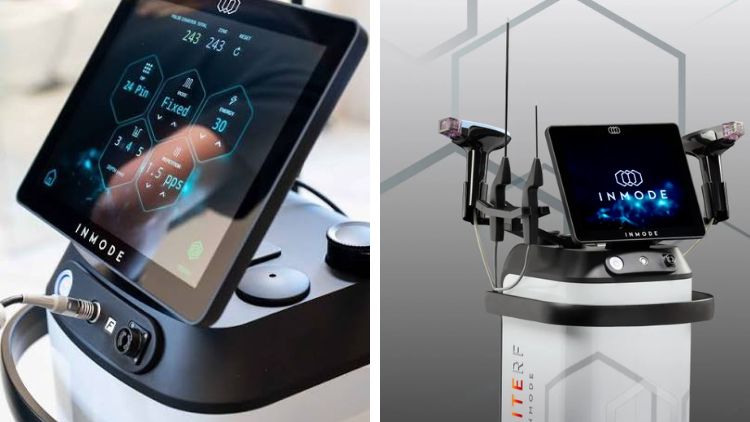
FaceTite and AccuTite may be considered for selected facial areas where mild laxity, localised fullness or contour concerns are present.
Common areas include:
Suitability depends on your anatomy and the area being considered. Procedures involving delicate areas require careful assessment and planning.
During consultation, Dr Wong reviews your medical history, previous procedures, skin condition, facial anatomy and recovery preferences. Other options may be discussed if they are more suitable for your concerns.
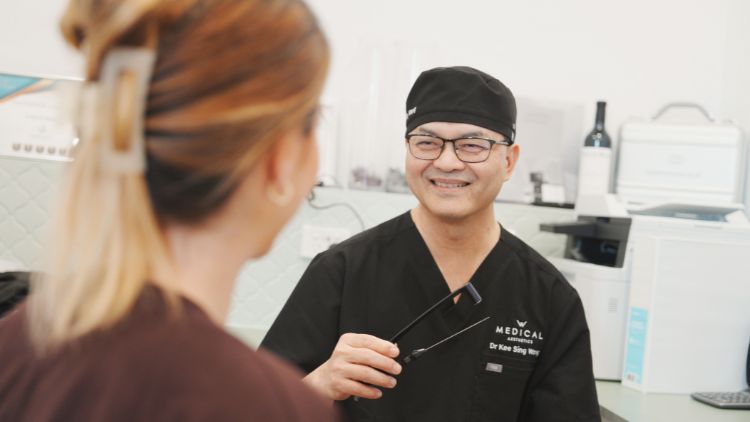
The procedure begins with consultation, photography and planning. Dr Wong reviews the area being considered, explains the planned approach and discusses anaesthetic options and recovery expectations.
A typical procedure includes:
The appointment includes preparation, anaesthetic, the procedure and post-procedure review.
Dr Wong assesses the area and marks the planned access points.
Local anaesthetic is commonly used. Additional comfort measures depend on the extent of the procedure.
After local anaesthetic, Dr Wong applies radiofrequency energy to the planned area through small access points. The clinic monitors you throughout the procedure.
The clinic cleans and dresses the access points before reviewing compression and home-care instructions.
Some patients may notice gradual changes as swelling settles. The degree and timing of change vary depending on anatomy, lifestyle factors and individual healing. Dr Wong will discuss expected changes during follow-up.
Both procedures are minimally invasive and involve small access points, anaesthetic and controlled radiofrequency energy beneath the skin. Careful assessment and appropriate technique remain important.
Possible temporary changes include swelling, bruising, tenderness, numbness and firmness beneath the skin. Less common risks include infection, delayed healing, burns, nerve irritation and contour irregularity.
Dr Wong reviews your medical history, previous procedures and facial anatomy before discussing whether the procedure is suitable. He will also explain expected changes, alternatives, recovery requirements and relevant risks.
Recovery may involve swelling, bruising, tenderness and numbness. Swelling or firmness may take several weeks to settle; recovery varies by area and individual healing.
Follow the clinic’s instructions for compression, wound care, activities and review. Contact the clinic promptly for increasing pain, spreading redness, marked asymmetry, blistering, weakness or an unexpected change.
Dr Kee Sing Wong, MBBS, FRACGP, is a registered medical practitioner at W Medical Aesthetics. Discuss your concerns, medical history, alternatives, relevant risks and costs before deciding whether to proceed.
AHPRA registration number: MED0000996242
Registration status: Registered
Pricing depends on the procedure area and complexity. W Medical Aesthetics provides a plan and cost information after assessment, before you decide whether to proceed.
FaceTite and AccuTite are minimally invasive procedures rather than traditional facelift surgery. Small access points allow the RF handpiece to deliver energy beneath the skin in the planned area. The procedure does not involve long facelift incisions or surgical removal of excess skin. Dr Wong will explain the anaesthetic, expected recovery and limitations during consultation.
Patients may experience temporary swelling, bruising and tenderness during the early recovery period. Many people allow several days to one week before important social or professional commitments, although residual swelling can continue longer. Procedure area, procedure extent and individual healing affect the timeline. Dr Wong will provide a more specific estimate after assessing the proposed procedure area.
Neither option is considered universally superior. Thread procedures provide mechanical support beneath the skin. FaceTite uses radiofrequency across broader facial areas, while AccuTite targets smaller areas requiring greater precision. Dr Wong recommends an approach based on tissue position, skin laxity, localised fullness and your preferred outcome and expectations.
Pricing depends on the procedure area and complexity. W Medical Aesthetics provides pricing information after assessing your anatomy and procedure plan.
Take the next step
Discuss the area you would like assessed, the procedure involved, relevant risks, expected changes and recovery considerations with Dr Wong.
Request a consultation