CoolPeel is a superficial fractional CO2 resurfacing approach that treats microscopic columns in the skin while leaving surrounding areas untreated. Suitability, the degree of change and recovery depend on the settings used and an individual clinical assessment.
That said, even with a lighter setting, CoolPeel recovery can still involve redness, warmth, dryness or flaking for several days. If you have work, travel or an event coming up, tell Dr Wong during your consultation. He can explain how visible recovery may be for the settings being considered and whether your timing leaves enough room for the skin to settle.
What is CoolPeel CO2 laser?
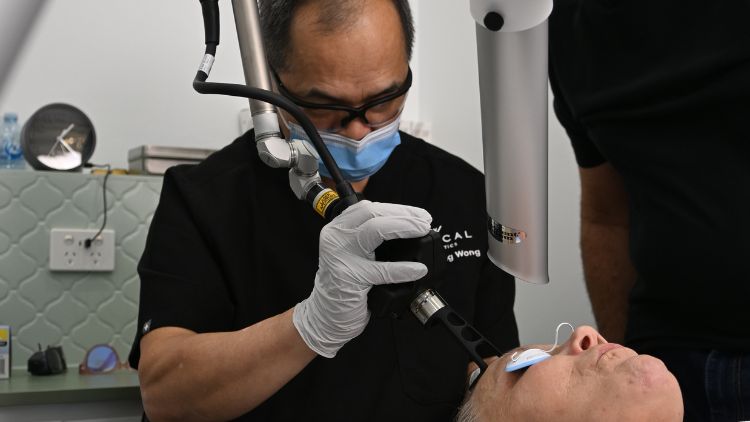
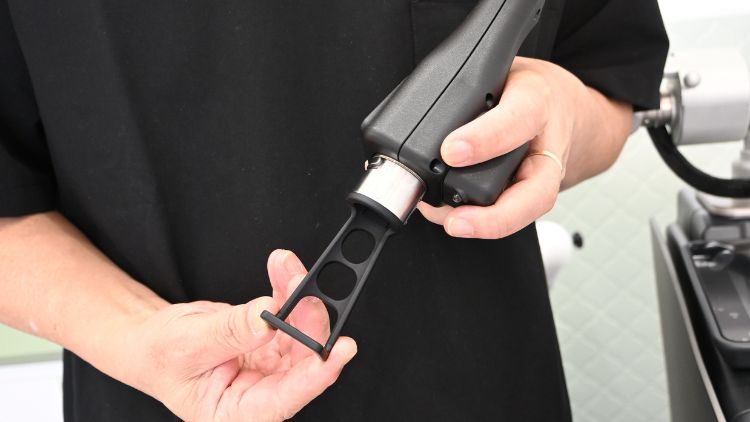
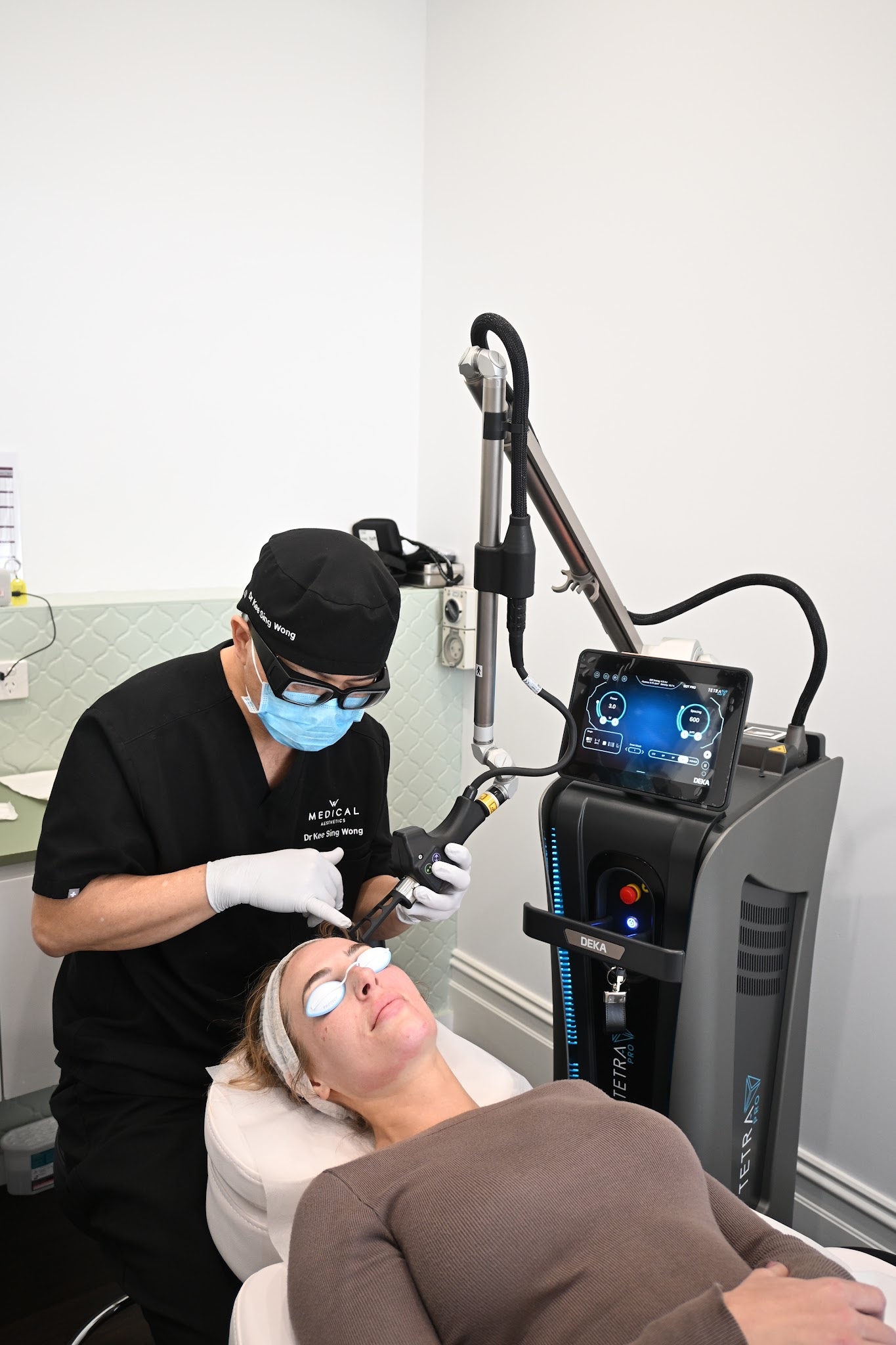
The Tetra Pro is a 10,600 nm carbon dioxide laser used for fractional and ablative resurfacing. CO2 energy is absorbed by water in the skin. In fractional resurfacing, the device treats a pattern of microscopic columns rather than removing the whole surface evenly.
CoolPeel uses a short pulse and a superficial fractional pattern. This can reduce the amount of heat delivered around each treatment point compared with a deeper or denser CO2 setting. Your recovery still depends on the energy, density, number of passes, treatment area and how your skin heals.
W Medical Aesthetics offers Tetra CoolPeel CO2 laser as one option on the broader Tetra Pro CO2 laser platform. We begin with what you would like to improve and how much recovery you can manage, then Dr Wong considers whether a superficial setting is likely to reach the right level of the skin.
What skin concerns can CoolPeel CO2 Laser address?
Depending on your assessment and the settings used, a fractional CO2 approach may be considered for:
- Rough or uneven skin texture
- The appearance of enlarged pores
- Fine lines and superficial sun-related change
- Selected acne-scar patterns
- Uneven tone after the type and depth of pigment have been assessed
If acne scarring is your main concern, the shape and depth of each scar matter. Rolling scars can be tethered under the skin, while ice-pick scars are narrow and deep. A lighter surface treatment may soften some texture without reaching those deeper structures, so Dr Wong will look at the scar pattern before discussing what is realistic.
How is CoolPeel different from stronger fractional CO2 resurfacing?
Both approaches use fractional CO2 energy. CO2 laser CoolPeel is generally used for more superficial resurfacing, while a stronger fractional CO2 protocol can create deeper or denser treatment columns when more structural remodelling is being considered.
A superficial approach may be easier to fit around your usual routine, although visible redness, roughness or flaking can still occur. A deeper approach usually asks more of your skin and your recovery schedule. More intensity is not automatically more suitable; it can increase inflammation and the chance of pigment change, infection or scarring.
What recovery may look like?
CoolPeel downtime
CoolPeel may involve a shorter or less visible recovery period than some deeper CO2 laser settings, but downtime varies between individuals. Your skin may still develop redness, warmth, dryness, swelling, roughness or flaking while it heals. Immediately after treatment, the skin may feel hot or tight and appear red. Over the next few days, it may become dry, rough, swollen or bronzed, with small crusts or flaking as the surface renews. Pinkness or pigment changes may remain visible after the skin feels more comfortable.
Once the skin barrier is intact and your clinician says it is appropriate, makeup may help cover mild redness. Your skin may remain more sensitive to heat, friction, active skincare ingredients and sun exposure while it continues healing. If an important date is close, leave room for recovery that lasts longer than you hoped.
What can make recovery more noticeable?
- Higher energy, greater density, more passes or treatment over a larger area
- A plan that reaches deeper than a superficial CoolPeel protocol
- Sensitive, inflamed or recently tanned skin
- A history of dark marks after inflammation or slower healing
- Using skincare that contains active ingredients too soon or picking at flaking skin
- Heat, heavy exercise or unprotected sun exposure during early recovery
Two people can have CoolPeel and experience different levels of redness or flaking. When we discuss timing with you, the proposed settings and your starting skin condition are more useful than a single recovery estimate.
If you are planning CoolPeel before an event or important date, book an appointment with Dr Wong to discuss timing, settings and what recovery may look like for your skin.
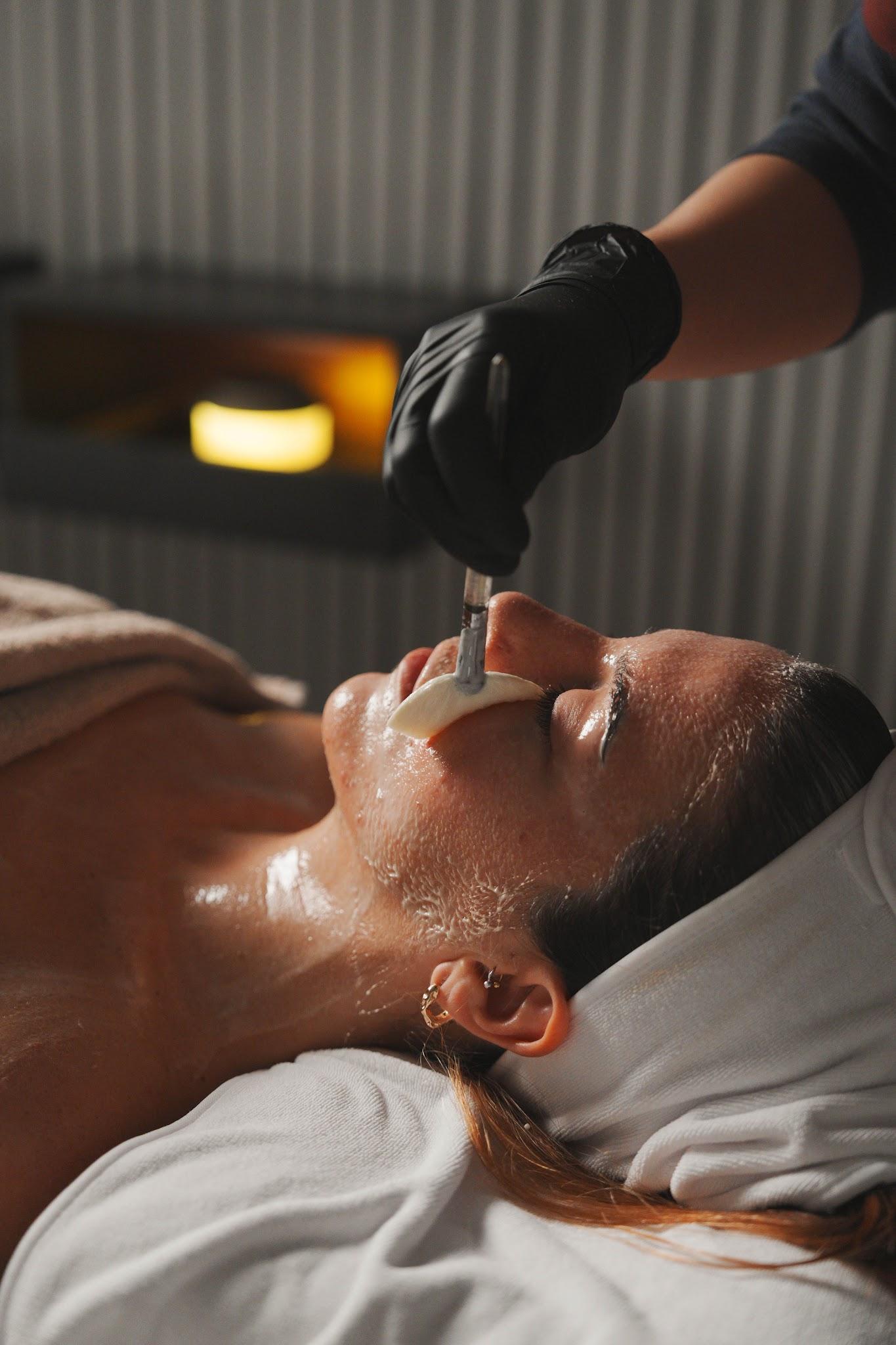
How to look after your skin afterwards
Your written instructions from W Medical Aesthetics should take priority because they will reflect the treatment you received. General care commonly includes:
- Cleanse gently and keep the skin nourished and moisturised
- Avoid picking, scrubbing or exfoliating while the surface is healing
- Pause any active products during the healing period
- Use broad-spectrum sun protection and limit unnecessary heat or sun exposure
Contact the clinic if discomfort is increasing rather than settling, or if you notice blistering, spreading redness, discharge, marked swelling or an unexpected pigment change. You do not need to wait for a routine review if something feels wrong.
Risks and side effects to understand
Fractional treatment leaves areas of intact skin between the microscopic columns, but it still disrupts the skin barrier. Expected temporary effects can include redness, warmth, swelling, tenderness, dryness, roughness, crusting and flaking.
Less common complications include infection, reactivation of cold sores, prolonged redness, post-inflammatory hyperpigmentation, loss of pigment and scarring. If you tan easily or tend to develop dark marks after inflammation, tell Dr Wong. That history can affect whether CO2 resurfacing is appropriate and how conservatively it should be approached.
When waiting or choosing another approach may be better
Ablative resurfacing may need to be postponed when the skin is infected, inflamed, sunburnt or recently tanned, or when a medical factor could interfere with healing. Please mention a history of poor wound healing, raised scars, recurrent cold sores, pigment complications, immune suppression or relevant medication use during your consultation.
Sometimes the sensible plan is a lower-intensity setting, another technology, a staged approach or no procedure for now. If your skin or schedule is not ready, waiting can reduce avoidable recovery problems and gives you time to make a decision without pressure.
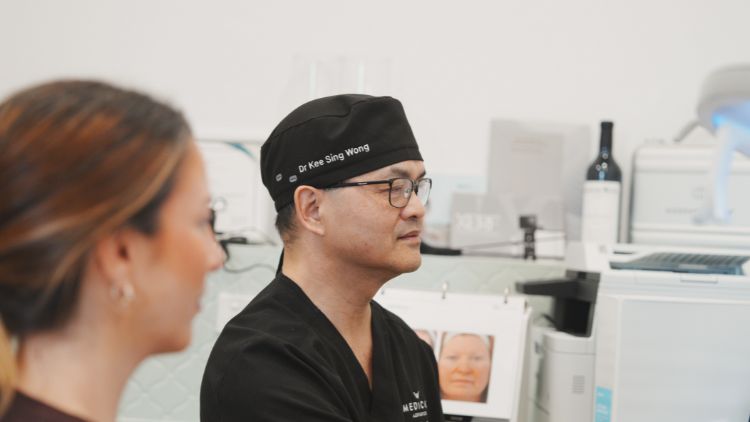
How Dr Wong decides whether CoolPeel fits your concern
Dr Wong considers what you would like to improve, the treatment area, your baseline skin tone, active pigmentation, recent sun exposure, medical history, previous procedures, skincare and the amount of downtime you can accept.
You should leave the consultation knowing which part of the skin the proposed treatment is intended to reach, what visible recovery to plan for, what the main risks are and what other options exist. The consultation is designed to help you understand whether CoolPeel aligns with your skin goals, lifestyle and recovery preferences before deciding whether to proceed.
Frequently asked questions
Is CoolPeel the same as fractional CO2 laser?
CO2 laser CoolPeel is a specific superficial mode on the Tetra Pro platform, while fractional CO2 laser refers to the broader treatment category. Different fractional CO2 approaches vary in depth, density and recovery profile, with CoolPeel designed for a lighter resurfacing approach.
Does CoolPeel have no downtime?
No fixed zero-downtime promise applies to everyone. Some people have relatively mild visible recovery, while others notice several days of redness, roughness, swelling or flaking. If you need to look settled by a particular date, discuss that date before treatment.
Can CoolPeel treat acne scars?
It may be considered. Deeper boxcar, rolling or ice-pick scars may need stronger setting, a different procedure or a combined plan. Dr Wong will assess the scar type before advising what CoolPeel may contribute.
How many CoolPeel treatments are needed?
There is no single number that suits every concern. A lower-intensity treatment plan may involve multiple appointments depending on your skin response and goals. Dr Wong reviews how your skin responds before discussing whether another treatment is worthwhile.
When is CoolPeel the right treatment for you?
CoolPeel is a version of CO2 Laser that can address various skin concerns much like other options employing the same technology. To learn more about whether this procedure fits your concern, book a consultation for a complete consultation session with W Medical Aesthetics.
Practitioner and information scope
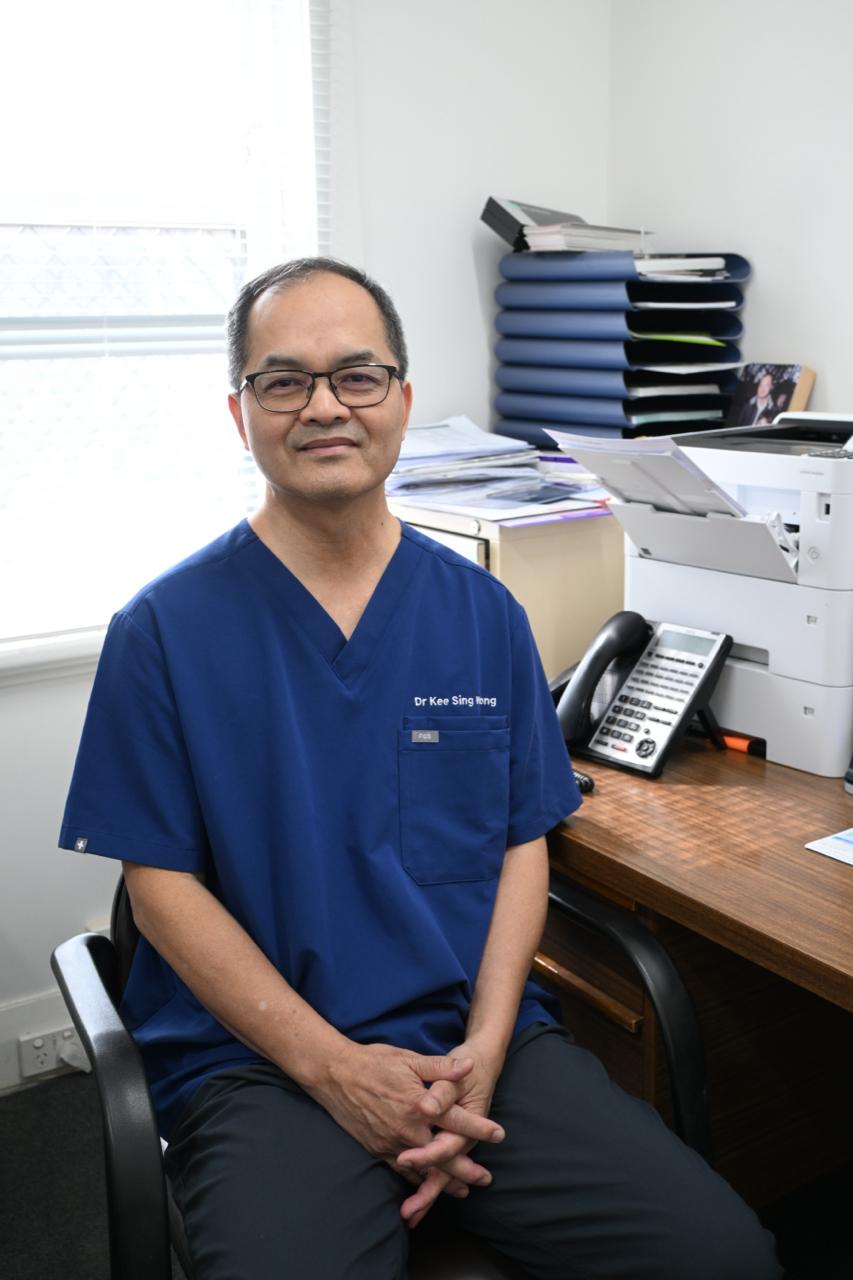
Dr Kee Sing Wong (Ahpra MED0000996242) is a registered medical practitioner with general registration and specialist registration in general practice. Registration status: Registered, as stated in the clinic’s professional profile. His FACCSM (Med) fellowship is not specialist registration in plastic surgery.
This article provides general information, not individual medical advice or a recommendation to undergo treatment. Suitability, outcomes, recovery and maintenance vary. Discuss procedure-specific risks, alternatives and the option not to proceed with the treating practitioner.