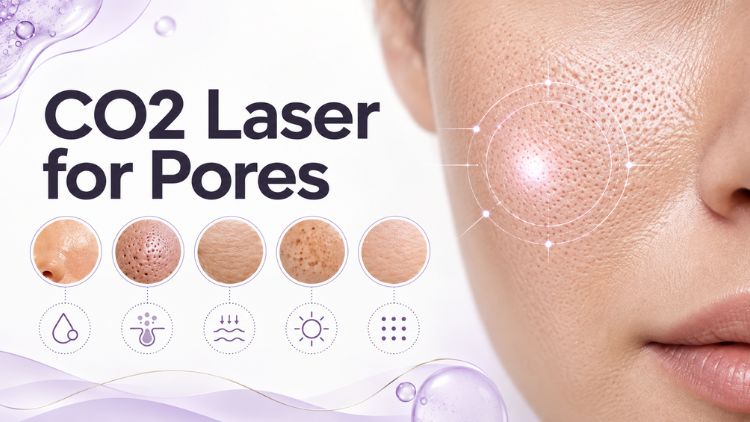
Fractional CO2 laser for pores may make enlarged facial pores look less visible by resurfacing the skin and stimulating collagen remodelling around follicular openings. It does not remove pores or close them permanently. The degree of change depends on why the pores look prominent, the treatment settings, your skin characteristics and how you heal.
If oiliness, congestion, acne scarring and loss of skin support overlap, one procedure may not address every part of the concern. Dr Wong first needs to work out what is contributing to the texture you see. That assessment helps avoid unnecessary treatment intensity. Skincare, acne management, another procedure or simply waiting may sometimes be the more proportionate starting point.
What makes facial pores look enlarged?
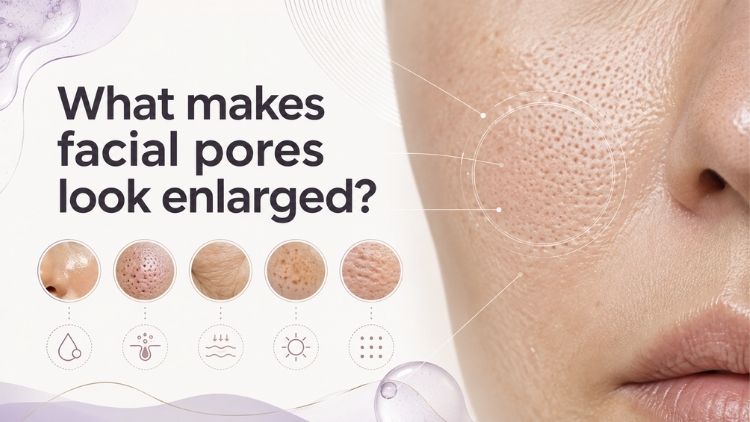
A pore is the visible opening of a hair follicle and its associated oil gland. Pores are a normal part of skin, so the realistic goal is to soften their appearance rather than create pore-free skin. Research describes enlarged pores as a multifactorial concern influenced by sebum production, skin elasticity, genetics, ultraviolet exposure, ethnicity and conditions such as acne.
That mix matters because two people can notice similar texture for different reasons. CO2 laser is mainly a resurfacing and remodelling treatment. It may be relevant when the surrounding skin structure contributes to visible pore edges, but it does not directly correct every cause.
Oil production and congestion
Pores can look more obvious when sebum and keratin collect around the follicular opening. Resurfacing does not switch off oil production. If active acne, blackheads or marked oiliness are driving the appearance, bringing those factors under better control may make more sense before considering laser.
Reduced support around the pore
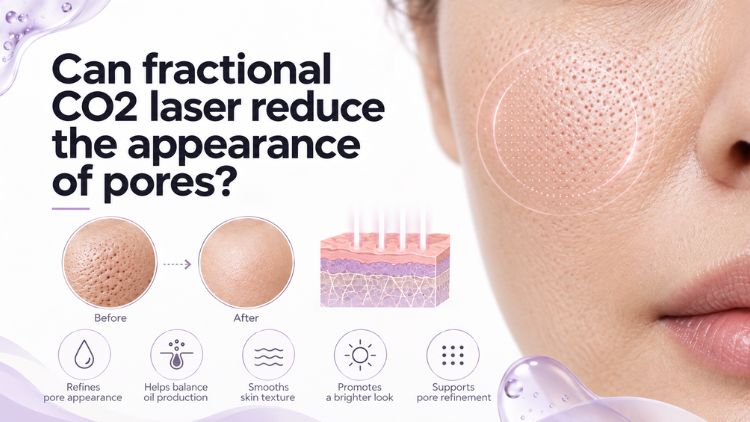
Sun exposure and gradual changes in collagen and elasticity can make the tissue around a pore less supportive. Fractional resurfacing creates controlled microscopic treatment zones and a healing response that remodels collagen over time. This is the part of the concern that CO2 laser is designed to influence.
Acne scars that resemble enlarged pores
Small ice-pick or narrow boxcar scars can look like very large pores, especially on the cheeks. They are structural scars rather than simply widened follicular openings. A scar-focused plan may need a different or staged approach, because surface resurfacing alone may leave a deep or tethered indentation visible.
Can fractional CO2 laser reduce the appearance of pores?
Clinical studies suggest CO2 laser for large pores may reduce the measured number or visibility of enlarged pores in selected patients. In one study, 32 Korean patients completed three low-energy fractional CO2 sessions and were assessed with image analysis and skin samples. The investigators reported fewer enlarged pores and evidence of collagen change after treatment.
A separate trial involving 80 people compared fractional CO2 laser with a carbon-assisted Q-switched Nd:YAG laser over three monthly sessions. Both groups improved, while the fractional CO2 group had a stronger and more sustained clinical response in that study. It also had more recovery time than the comparison treatment.
These findings are encouraging, but they do not establish one ideal pore treatment for every skin type. The studies used particular devices, settings, schedules and populations. You should expect a possible refinement in texture, not a promise that every pore will become small or invisible.
What CO2 laser cannot change
For CO2 laser large pores treatment, the goal is not to remove follicles or permanently close pores, but to refine their visible appearance. It also does not stop the oil gland from producing sebum. If oiliness remains high, pores may continue to look more prominent even after the surrounding texture has changed.
Resurfacing cannot release a tethered acne scar or fill a deep indentation from underneath. It is also not a treatment for every form of redness or pigmentation. Increasing the laser intensity does not make an unsuitable target more responsive; it can add recovery and risk without solving the underlying problem.
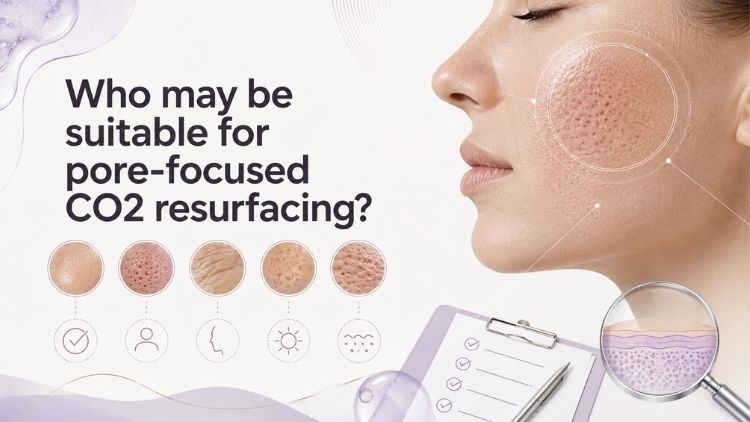
Who may be suitable for pore-focused CO2 resurfacing?
Fractional CO2 may be discussed when visible pores form part of a broader surface-texture concern and the skin is stable. Suitability also depends on whether you can accommodate the expected healing period. Suitability depends on the treatment area, skin tone, recent sun exposure, pigment history, active acne, medication, previous reactions and healing history.
The concern is mainly texture
CO2 laser has a clearer role when pores are accompanied by rough texture, selected shallow scars or sun-related surface change. If the main issue is oil production or active congestion, the plan may need to start elsewhere.
Your skin is settled enough to heal
Active infection, inflamed acne, recent tanning or an unstable skin condition can change both safety and recovery. Delaying treatment until the skin is calmer is not lost time; it may reduce avoidable inflammation and make the response easier to assess.
The recovery fits your normal week
The treated skin may become red, swollen, warm, rough, crusted or peel. More intensive settings generally create a more visible recovery. Before choosing a date, consider work, exercise, caring responsibilities, travel and important events rather than planning around the shortest possible estimate.
When another starting point may suit you better
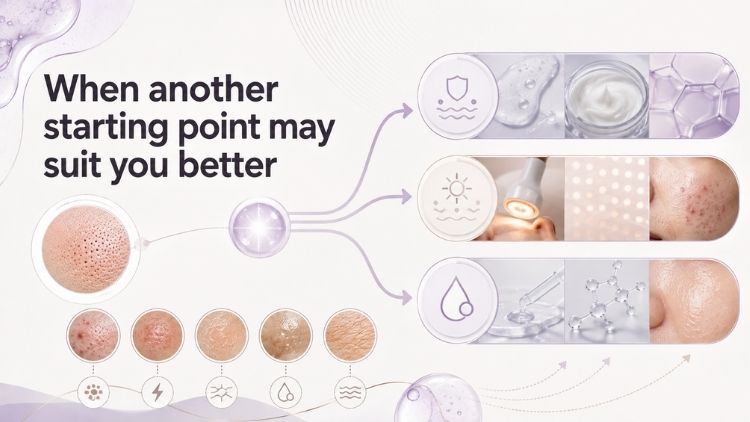
Another starting point may be more appropriate when pore visibility is driven mainly by active acne, oiliness, pigmentation risk, deep scarring or a need for minimal recovery. CO2 resurfacing is only one option, and the best starting point depends on which factor is contributing most to the texture you see.
If active acne or oiliness is the main driver
A skincare or acne-management plan may be discussed before resurfacing. Reducing ongoing inflammation and congestion can help clarify which texture remains and whether a procedure is still worth considering.
If pigmentation risk is prominent
A history of melasma or post-inflammatory hyperpigmentation can change the risk-benefit discussion. Laser-related inflammation can darken the treated area temporarily or persistently. Dr Wong may recommend preparation, different settings, another option or no laser if the pigment risk outweighs the likely value.
If the “pores” are deep scars
Ice-pick scars, boxcar scars and tethered rolling scars respond differently. A scar assessment can distinguish true follicular openings from structural indentations. It can then clarify whether resurfacing, another scar procedure or a staged plan is more appropriate.
If you need little visible recovery
A lighter fractional treatment, RF microneedling, skincare or another texture-focused option may be discussed depending on your skin and goal. These alternatives have their own limits and risks; they are not automatically safer simply because they are less ablative.
What treatment and recovery may involve
The appointment begins with a review of your skin, medications, health, recent sun exposure and any changes since consultation. The treatment area is cleansed and prepared. Numbing or other comfort measures depend on the planned intensity, and eye protection is used before the laser begins.
During CO2 laser pores treatment, fractional energy is delivered in many small columns rather than treating every point of skin in the same way. The depth, density and number of passes are selected for the area and intended purpose. For CO2 laser nose pores treatment, the nose and medial cheeks may require different settings because their pore patterns and contours are not identical.
After treatment, you receive instructions for cleansing, moisturising, sun protection and when to restart active skincare. Do not pick peeling or crusted skin. Allow the skin barrier to close and redness to settle before judging the result. Collagen remodelling continues beyond the first visible healing phase.
Risks to understand before deciding
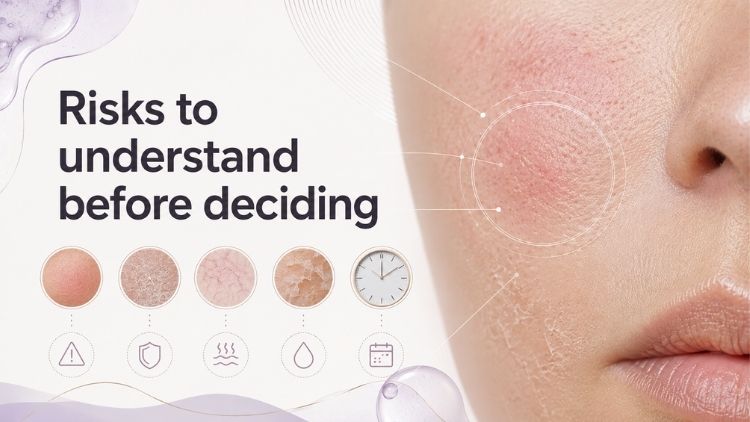
Expected short-term effects can include discomfort, redness, swelling, dryness, roughness, peeling and crusting. Complications can include burns, infection, cold-sore reactivation, prolonged redness, acne-like eruptions, delayed healing, pigment change, scarring and an uneven or unsatisfactory result.
Darker skin tones and a history of pigmentation can increase the importance of conservative settings and careful preparation. ARPANSA advises that laser outcomes and injury risk depend on individual physical traits and that incorrectly performed treatment can cause persistent pigment change or scarring.
Contact the clinic if pain, redness or swelling becomes more severe rather than settling, or if you develop increasing discharge, blistering or another unexpected change. Prompt review matters because early advice may affect how a reaction is managed.
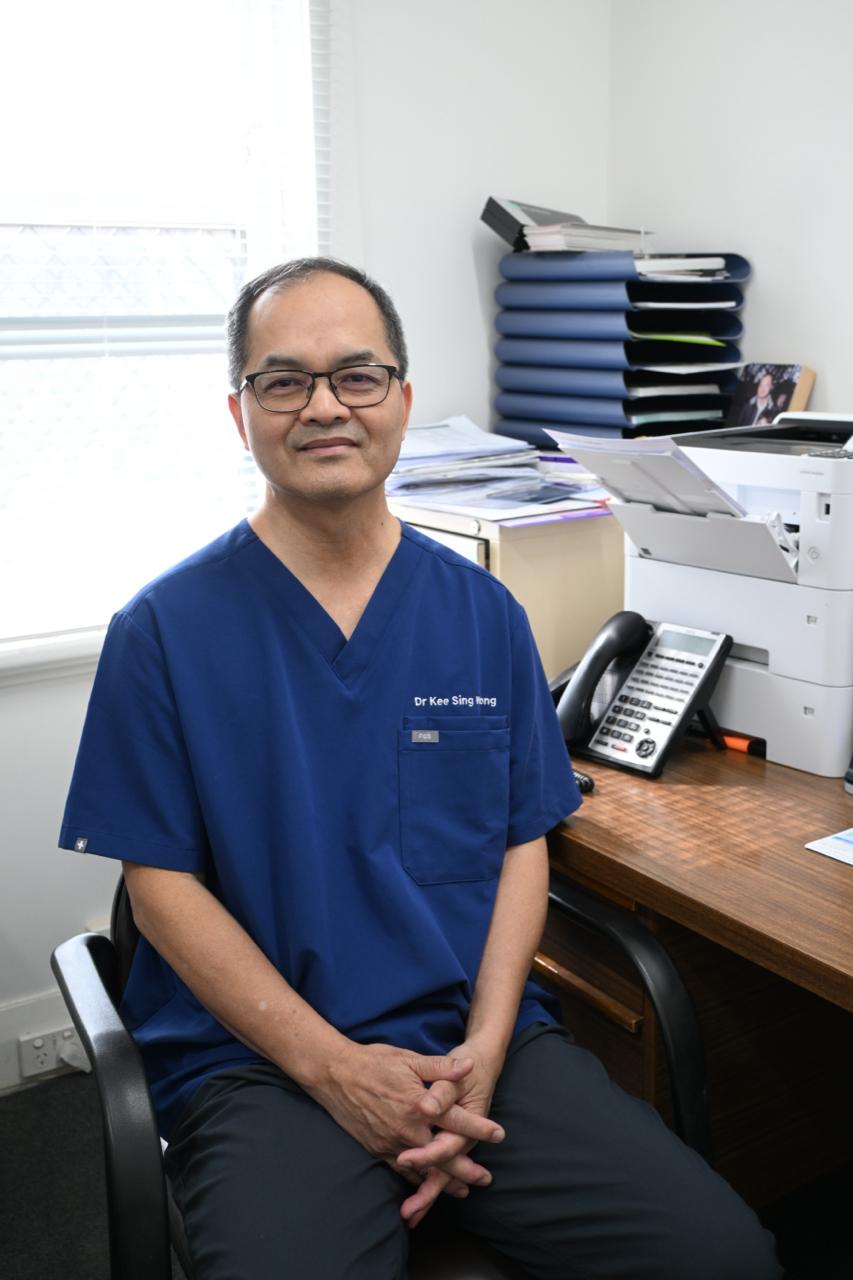
How Dr Wong plans pore-focused treatment
Dr Wong will look at the pore pattern, oiliness, acne activity, scars, skin tone, pigment history, previous procedures and the recovery you can realistically manage to see if your skin can handle the treatment or if CO2 laser is suitable.
If Tetra Pro CO2 laser is suitable, Dr Wong explains the treatment area, intended intensity and likely limitations. He also discusses material risks, aftercare and the relevant fee before you decide. The same consultation may lead to a lighter approach, another procedure, a staged plan, waiting or no treatment.
Frequently asked questions about CO2 laser for pores
Does CO2 laser permanently close pores?
No. CO2 laser does not remove follicles or permanently close pores. Fractional resurfacing may make enlarged pores look less visible by changing surrounding skin texture and supporting collagen remodelling. Oil production, genetics, acne activity and skin structure can continue to influence how visible pores appear over time.
How many CO2 laser treatments might I need for pores?
There is no fixed number that suits everyone. Studies of enlarged pores have used different treatment schedules, including multiple fractional CO2 appointments, but a research protocol should not be treated as a standard plan. Dr Wong reviews the concern, settings, healing and response before deciding whether another treatment may add useful benefit.
Is CO2 laser or RF microneedling better for large pores?
Neither treatment is universally better. Fractional CO2 resurfaces the skin, while RF microneedling delivers radiofrequency through needles at selected depths. The choice depends on pore pattern, acne scarring, pigmentation risk, skin thickness, recovery preference and which tissue needs to be treated.
How long do CO2 laser results for pores last?
The duration of visible improvement varies because pores remain normal follicular openings and ageing, oil production, sun exposure and acne can continue to affect skin texture. Collagen remodelling may continue after healing, but a permanent pore-free result should not be expected.
How much does CO2 laser for pores cost in Adelaide?
The fee depends on the treatment area, intensity, anaesthesia or comfort measures and follow-up required. W Medical Aesthetics can confirm the relevant cost after Dr Wong assesses whether fractional CO2 resurfacing suits the pore pattern and explains the expected recovery, risks and alternatives.
Conclusion
CO2 laser can make enlarged pores look less prominent in selected skin by resurfacing texture and remodelling collagen around follicular openings. It cannot remove pores, permanently stop oil production or reliably correct every depression that resembles a pore.
A useful plan starts by identifying whether the concern comes mainly from oiliness, loss of structural support, acne scarring or several factors together. You can book an assessment with Dr Wong at W Medical Aesthetics in Adelaide to clarify whether CO2 resurfacing suits the concern. If you are unsure about booking, you can contact the clinic with a question first.