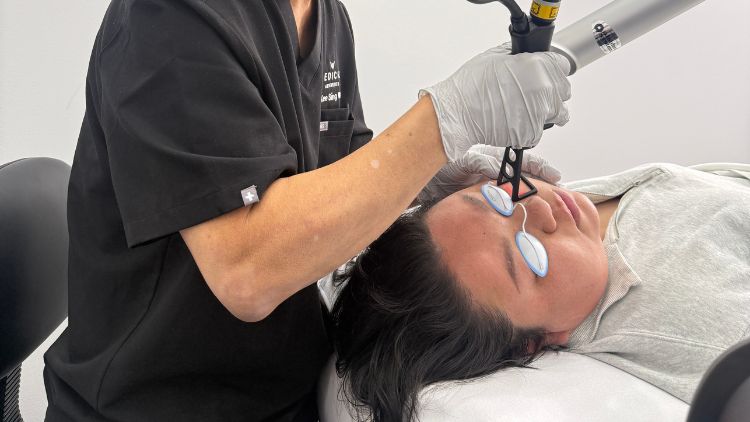
CO2 laser recovery often involves one to two weeks of initial healing, although redness and sensitivity can continue after the surface closes. The timeline depends on treatment depth, the area treated and your skin. At W Medical Aesthetics in Adelaide, recovery planning forms part of the discussion about whether resurfacing suits you.
Recovery time depends on more than when peeling stops
The answer to “what is the recovery time for CO2 laser” depends on the stage of recovery. Initial wound healing, fading redness and returning to your usual routine do not always happen together. A surface that has closed can still look pink and feel sensitive. Returning to work also depends on your duties and whether you can protect the treated area.
The American Society of Plastic Surgeons describes recovery after CO2 resurfacing as generally taking up to two weeks. More extensive ablative resurfacing can take longer. The American Society for Dermatologic Surgery gives a 10–21-day healing range for laser resurfacing of scars, depending on treatment size and location. These estimates cover different treatment depths and areas. Ask which range applies to your planned procedure before arranging leave or an important event.
Before booking leave, ask your practitioner for three estimates:
- How long the treated skin may remain open or weeping.
- When your usual work duties may be appropriate.
- How long visible redness could remain.
For a wedding, presentation or holiday, allow room beyond the earliest expected return to everyday activities. Your practitioner can help you assess whether the proposed timing is realistic.
The CO2 laser healing process varies with treatment intensity
CO2 resurfacing removes selected skin tissue and heats underlying layers. Fractional treatment creates microscopic columns of treated tissue, with untreated skin between them that helps support surface repair. Treatment depth and coverage influence how much recovery is required, so two people receiving a CO2 procedure can have noticeably different experiences.
Fractional does not automatically mean a short recovery. A deeper or denser fractional treatment can still involve considerable redness, swelling and wound care. Ask which approach is being considered and what that means for the particular area being treated.
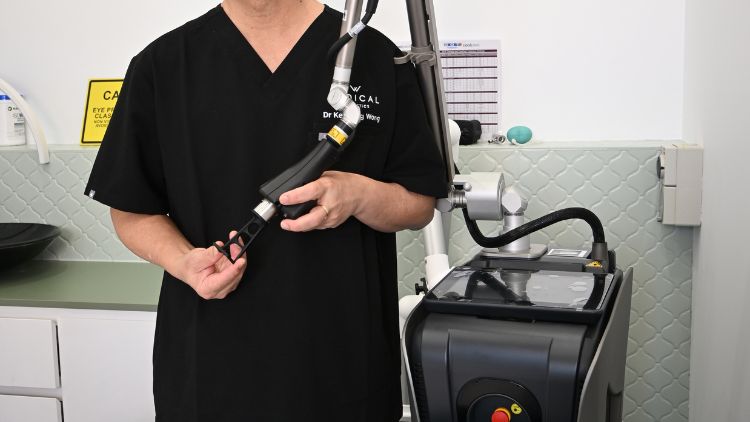
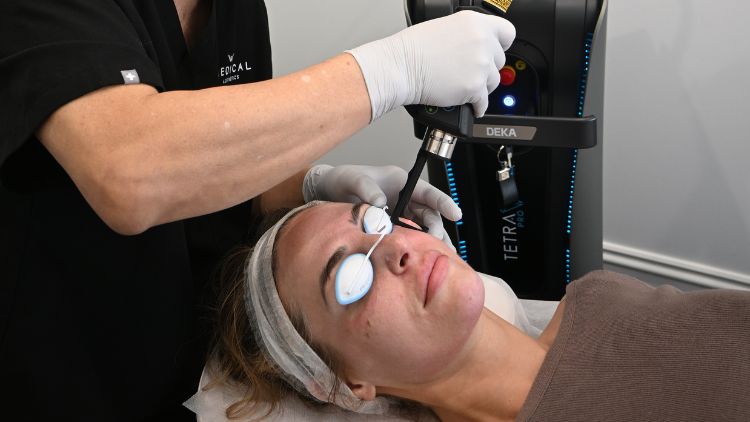
At W Medical Aesthetics, CoolPeel CO2 laser is a more superficial option on the Tetra Pro platform. Recovery after this approach can differ from deeper resurfacing, so the planned settings matter when discussing time away from work.
Your consultation should also cover previous pigment changes, cold sores, scarring, medical conditions and current medicines. These details can change whether resurfacing is appropriate and how recovery should be planned. Do not stop prescribed medicines without advice from the prescribing clinician.
A day-by-day guide to the first two weeks
Early CO2 laser recovery can involve warmth, swelling, tenderness and some oozing. Dryness and peeling follow as the surface repairs. The stages overlap, and their timing varies. Use the guide below to prepare for a discussion with your practitioner, while following the written instructions provided for your own procedure.
| Approximate stage | Changes that can occur | Care priority |
|---|---|---|
| Treatment day | Heat, redness, swelling or raw areas | Follow the initial wound-care plan |
| Days 1–3 | Sensitivity, swelling and possible weeping | Use only approved care products |
| Days 4–7 | Dryness, crusting or peeling | Leave attached skin and crusts alone |
| Days 8–14 | The surface may have closed, while pinkness and sensitivity remain. | Confirm which activities can resume |
| Following weeks | Redness can continue fading, while sensitivity may persist. | Maintain protection and attend review |
This is an illustrative sequence rather than a deadline for each change. Peeling commonly develops around five to seven days after resurfacing, but the course depends on the procedure. Deeper treatment may remain visibly affected beyond the second week.
During the first few days, arrange your routine around the care you have been prescribed. If cleansing or dressing changes are required during working hours, discuss how you will manage them before returning.
As peeling begins, avoid trying to make the skin look smoother by rubbing or removing flakes. Picking crusts can contribute to scarring. Once the surface closes, continue the recommended care rather than immediately returning to your usual skincare routine.
Using recovery photos without expecting an identical timeline
When comparing day by day CO2 laser resurfacing recovery photos, check that the treatment depth and area are similar to your proposed procedure. Photographs can help you prepare for visible changes, but individual healing varies. They cannot confirm whether your own recovery is progressing as expected.
Ask whether a photo sequence identifies the treatment date, settings or intensity, and the days on which the images were taken. Lighting, camera exposure and products on the skin can also affect how redness and texture appear.
A recovery photo taken after cheek resurfacing may not reflect what to expect around the eyes. If this is your treatment area, discuss the additional considerations covered in the CO2 laser under eyes guide.
If your practitioner asks for progress photographs, use the same lighting, distance and angle each time. Record symptoms alongside the images. A picture alone cannot show increasing pain, warmth or how you are feeling generally.
CO2 laser aftercare should follow your prescribed plan
Aftercare usually centres on cleaning the treated area as directed, protecting the healing surface and avoiding irritation. The exact products and dressing requirements differ between procedures. Follow your treating practitioner’s instructions rather than combining several online routines or adding products because they worked for someone else.
Before leaving the appointment, make sure you understand:
- How to cleanse the area. Confirm the product, technique and frequency.
- What to apply afterwards. Use the specified barrier product or dressing.
- What to leave out. Check which skincare products must remain paused.
- How to protect the area outdoors. Confirm when sunscreen can be introduced.
- Who to contact. Keep the daytime and after-hours instructions accessible.
Avoid scrubs and exfoliating products while the skin is recovering. Retinoids and acids should return only when your practitioner advises. The appropriate restart date depends on the procedure and how the skin has settled.
In Adelaide, include outdoor work, driving and school pick-ups when discussing sun protection. Shade and protective clothing may be needed while the surface remains sensitive. Ask which sunscreen suits the treated skin and when it should be applied.
Planning work, exercise and makeup around recovery
CO2 laser downtime includes both wound care and the period when the skin remains visibly affected. A person working from home may have different practical needs from someone working outdoors or meeting clients. Discuss your actual duties, access to washing facilities and ability to avoid sun exposure when planning leave.
Makeup should wait until the treated area has healed. It is advised to avoid swimming pools, saunas, baths and hot tubs for one to two weeks after fractionated CO2 treatment. Your practitioner may recommend a different interval for your procedure.
Ask separately about exercise. Heat and flushing can aggravate recovering skin, and a workout may involve sweat, friction or shared equipment. You might be advised to avoid activities that cause flushing for two weeks after laser resurfacing. The timing for restarting exercise should depend on the procedure and how your skin is recovering.
If an event is approaching, explain whether you need to wear makeup, spend time outside or travel. These details are more useful for planning than asking only when you can “go back to normal”.

Changes that need medical advice
During CO2 laser healing, increasing pain, spreading redness, worsening swelling, fever or concerning discharge need prompt medical advice.
Contact your treating practitioner promptly for:
- Pain that increases or is not controlled as advised.
- Redness or swelling that continues to worsen.
- Fever, chills or feeling generally unwell.
- New blisters or sores.
- Green or yellowish drainage.
- Bleeding that does not stop as instructed.
These changes require assessment rather than diagnosis from a photograph. If you cannot reach the clinic and symptoms are severe or rapidly worsening, seek urgent medical care.
Possible complications include infection, prolonged redness, darker or lighter pigmentation, and scarring. A history of cold sores and a tendency to develop pigment changes deserve discussion before treatment. Careful planning reduces avoidable risks, but it cannot remove every risk.
FAQs about CO2 laser recovery
Can my skin still be pink after it has healed?
Yes. The surface can close before its colour returns to baseline. Pinkness or redness can persist for months after resurfacing, particularly after more intensive procedures. Keep your review appointments and ask for advice if redness becomes more pronounced or occurs with increasing pain, swelling or discharge.
Does peeling mean the final result is visible?
No. Peeling describes an early stage of surface recovery. It does not show the final change in texture or scarring. Skin appearance can continue changing after the initial healing period, and the degree of improvement varies. Discuss when your practitioner plans to assess the response before considering further treatment.
Is recovery the same for acne scars and superficial texture concerns?
Recovery can differ if scar treatment requires greater depth or coverage than superficial resurfacing. The concern alone does not determine downtime, so ask about the settings and area proposed for your procedure. If scars are the concern, a consultation for acne scarring can help clarify which approach is appropriate and what recovery that approach may involve.
Discuss your recovery plan with Dr Wong
CO2 laser recovery is easier to plan when the proposed procedure, care requirements and review arrangements are clear. Before deciding, discuss your available recovery time, work, upcoming events and any concerns about wound care.
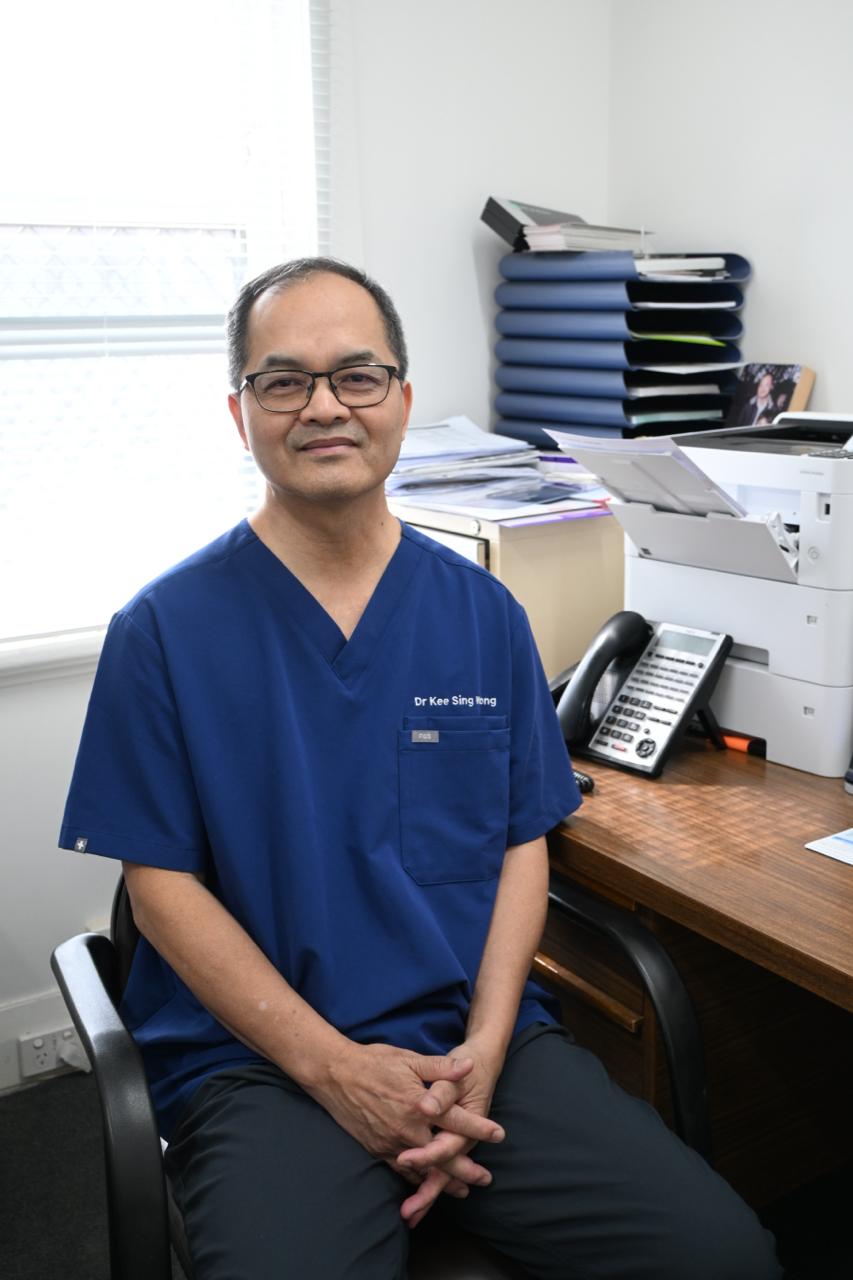
At W Medical Aesthetics in Adelaide, Dr Wong assesses your skin and medical history before discussing suitability. Bring your work schedule, upcoming travel dates and current skincare list. These details help the discussion focus on whether the proposed recovery period is manageable for you. You can book a consultation with Dr Wong or send the clinic a question before booking.
This page provides general information and does not replace an in-person assessment or your treating practitioner’s aftercare instructions. Individual responses and results differ. All procedures carry risks, which should be discussed before treatment.