A thread lift provides temporary tissue support, with some PDO studies recording visible improvement at six and twelve months. The effect gradually softens, and individual duration varies. The time a thread takes to absorb is different from how long the visible lift remains.
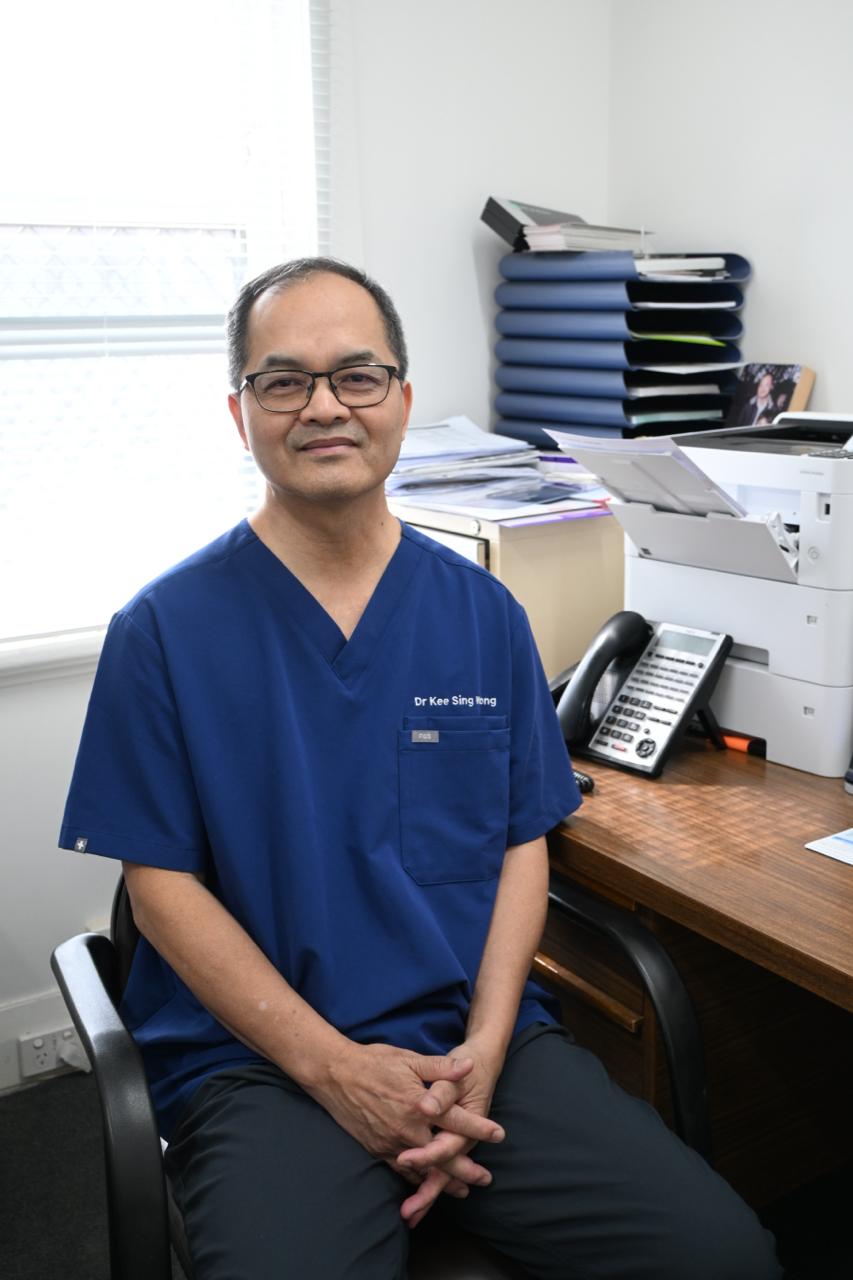
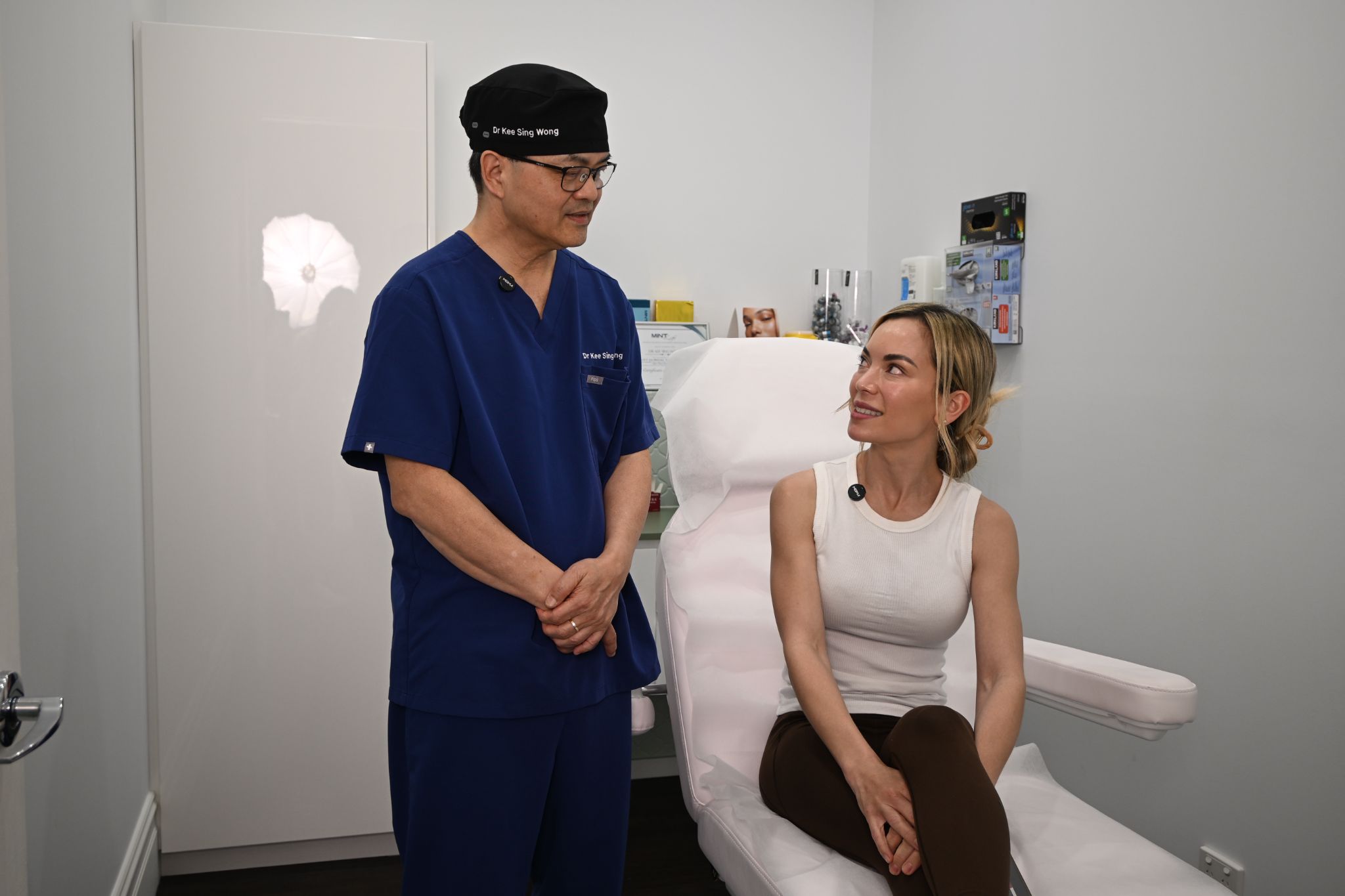
Before deciding on a thread lift, consider the change you would value alongside the recovery, risks and cost. At W Medical Aesthetics in Adelaide, a thread-lift assessment with Dr Wong starts with your anatomy and expectations before any procedure is planned.
Thread lift duration: What the evidence shows
Thread lift results are temporary and gradually soften. A study of PDO cog threads used in the mid-face recorded improvement at six months. Patient and clinician ratings were lower at one year than at one month.
A 2025 systematic review also found early improvement, while noting limited evidence for long-term effectiveness. These findings provide context for an assessment. Dr Wong considers the proposed thread system and your facial tissues when discussing the degree and duration of change to expect.
Ask what your clinician expects to change, how they’ll assess it after healing and what evidence supports the proposed thread system. If you want a substantial change lasting several years, discuss that goal with Dr Wong before deciding whether to proceed.
PDO absorption and the duration of visible lifting
PDO stands for polydioxanone, an absorbable material used in some facial threads. Published reviews describe it breaking down over about six months or longer. Absorption time depends on the specific thread product. Ask which thread is proposed and what its instructions for use state.
Absorption describes the material breaking down in your body. It doesn’t measure the amount of lift remaining. A thread can gradually lose its supporting effect as the material and surrounding tissue change.
Collagen can form around a thread as the surrounding tissue responds. This response alone does not tell us how long the visible lift will last. The contour can continue to change as the thread absorbs and facial tissues change over time.
What affects how long a thread lift lasts?
How long a thread lift remains noticeable depends on the tissue being supported, the thread design and placement, and the healing response. These factors also affect whether threads are suitable in the first place.
Skin quality, tissue laxity and your expectations
Skin thickness, tissue weight, existing laxity and previous procedures affect whether threads can provide useful support. Mild laxity is a different concern from a large amount of excess skin. A thread lift doesn’t remove that excess skin or provide the same structural change as a surgical facelift.
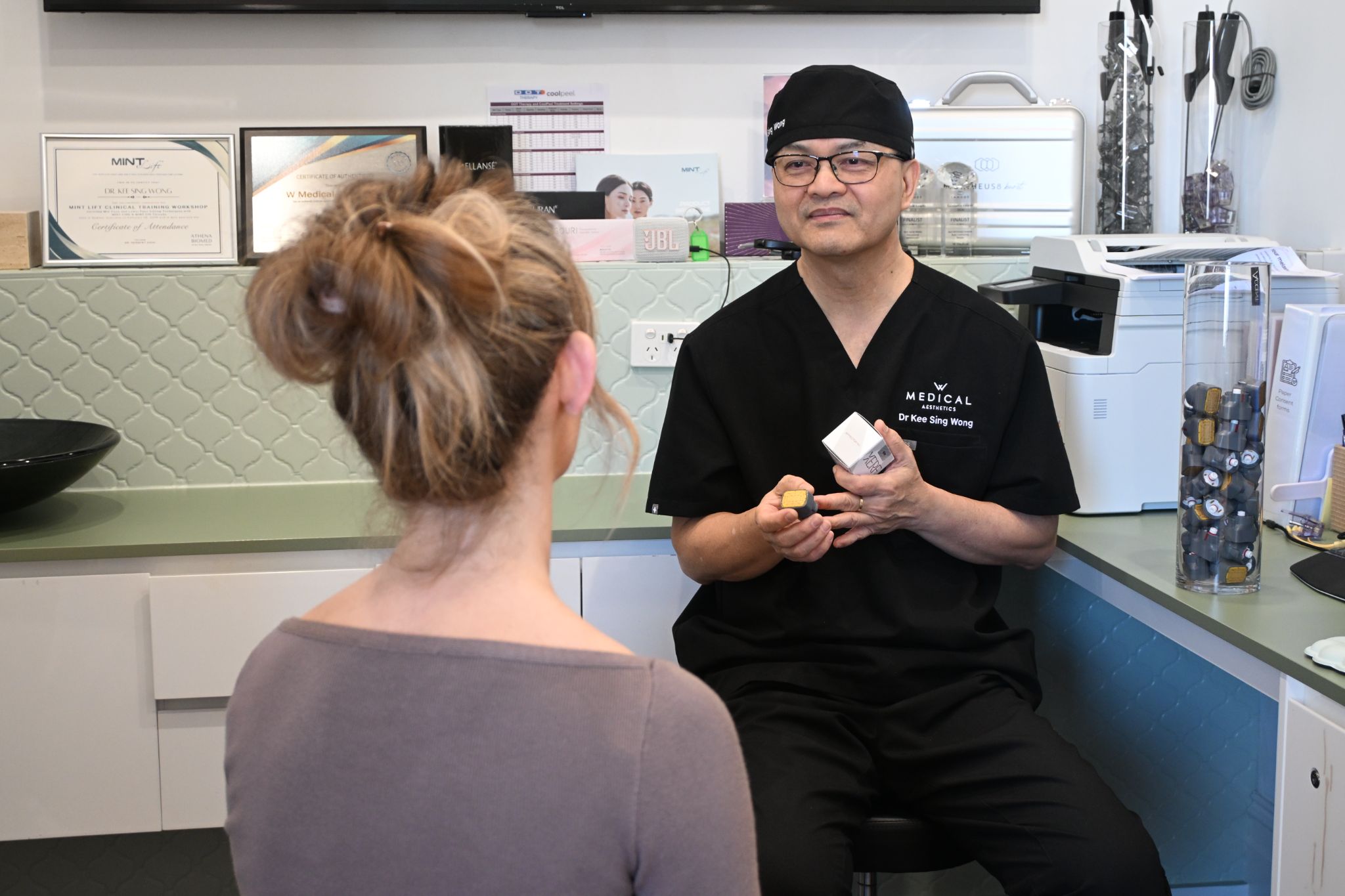
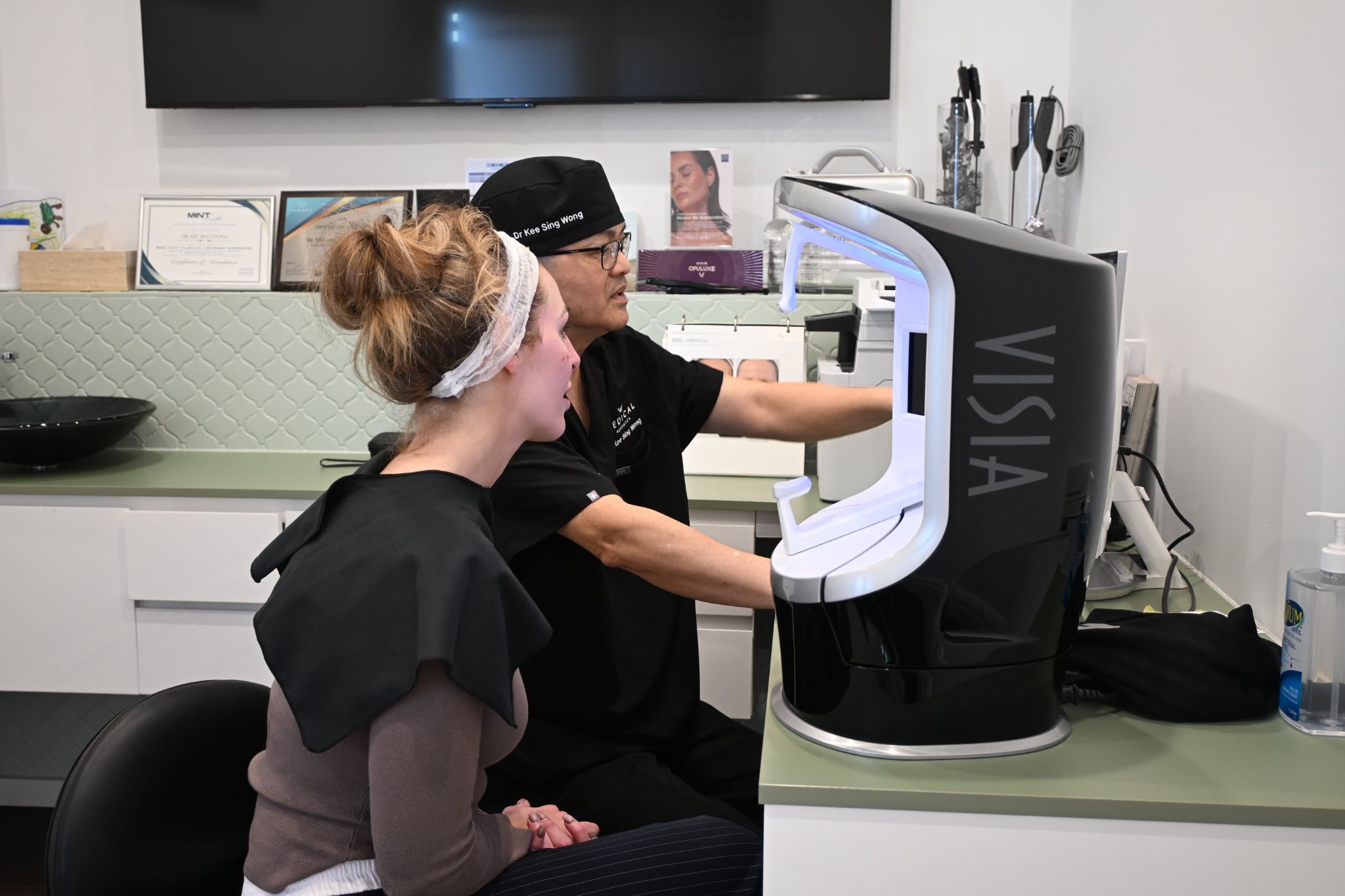
Dr Wong examines the area you want assessed rather than using age alone to judge suitability. The degree of change you would accept matters too: a modest temporary improvement may be worthwhile for one person and disappointing for another.
Thread material, design and placement
PDO describes a material, not a single procedure. Smooth threads and threads with barbs or cogs have different designs and purposes. Barbs or cogs engage tissue to help reposition it. Smooth threads have a different role and do not provide the same mechanical lift. Other absorbable materials also behave differently.
A longer absorption time does not necessarily mean a longer-lasting lift. The thread’s material, design and placement all matter, along with the tissue being supported. Dr Wong considers these factors together when assessing whether threads suit the area you want addressed.
Healing, tissue changes and ongoing ageing
Your response to the procedure and the way the area settles affect what you see. Facial tissues also continue to change with ageing. Follow-up should assess the result after early swelling has reduced, rather than treating the appearance immediately after placement as the settled outcome.
Early swelling, recovery and when to assess results
Some repositioning may be visible straight away, but swelling, bruising and a tight feeling can alter the early appearance. Healing takes time. The American Society of Plastic Surgeons describes results becoming apparent over the following weeks and advises avoiding excessive force or movement during healing.
Ask when your result should be reviewed and how much visible recovery to allow before work, travel or an event. We provide preparation and aftercare advice for the procedure being considered. Follow those instructions and check with the clinic before resuming facial massage, strenuous exercise or other activities that could put pressure on the area.
Can aftercare or more threads extend the result?
Aftercare and sun protection are sensible parts of recovery and skincare, but neither guarantees a particular number of extra months. There is also no sound basis for assuming that more threads automatically give a more durable lift.
A small 2025 randomised trial compared two groups receiving either three or six PDO threads per side of the face. It found no significant difference between the groups in the measured changes or satisfaction, and some early changes diminished by 60 days. Its short follow-up cannot answer every question about longevity, but it doesn’t support adding threads simply to promise a longer result.
Any additional procedure should have its own reason, expected benefit and risk discussion. Repeating a thread lift or combining procedures isn’t a routine requirement for everyone.
Reassessment, repeat procedures and ongoing costs
A review is more useful than an automatic repeat-treatment date. If the change has softened, consider whether it still meets your goals and whether you want another procedure at all. Your tissue, health history and priorities may have changed since the first appointment.
Before deciding, ask for the full proposed cost, including any review or additional charges, and what benefit another procedure could reasonably add. You can choose to wait, consider a different approach or leave the area untreated. A temporary result doesn’t create an obligation to maintain it.
Thread lift risks and signs that need review
Thread lifting is minimally invasive, but it still places material beneath the skin. Swelling, bruising, tenderness, pulling sensations and dimpling can occur. Other risks include infection, ongoing pain, uneven results, visible or palpable threads, thread movement or exposure, and injury to nearby structures. Some complications need further management.
If you’re unhappy with the result or a thread is causing a problem, ask for a review. Don’t assume waiting for absorption will resolve it. Contact the clinic promptly for increasing pain, spreading redness, discharge, fever, an exposed thread or another concerning change.
Questions to discuss before a thread lift
Bring these questions to your consultation:
- Which thread material and design are you considering for me, and why?
- What degree of visible change is realistic for this area?
- What is known about its duration, and what remains uncertain?
- What recovery, aftercare, risks and total costs should I allow for?
You can book an assessment with Dr Wong at W Medical Aesthetics in Adelaide to discuss whether threads suit your concern. If you’d like to ask a question first, contact the clinic before booking. The appointment gives you time to consider the options, including having no procedure.
Dr Kee Sing Wong (Ahpra MED0000996242) is a registered medical practitioner with general registration and specialist registration in general practice. Practitioner details are available in his professional profile.
This page provides general information and does not replace an in-person assessment. Individual responses and results differ. Dr KS Wong assesses your skin, medical history and goals before recommending anything. All procedures carry risks that should be discussed before treatment.