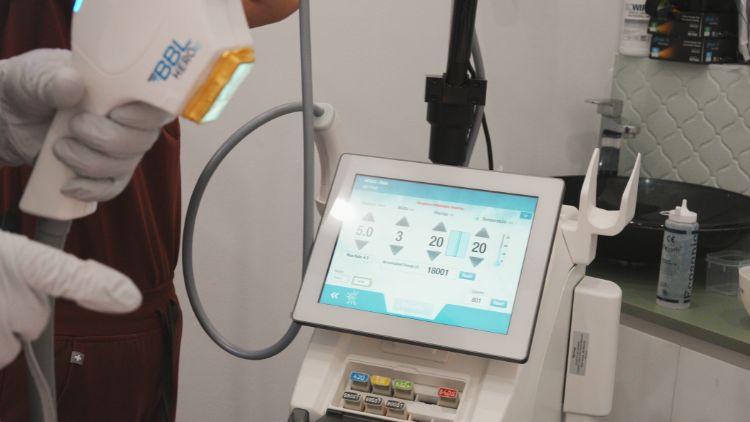
BBL vs Moxi depends on whether the main concern is pigmentation, visible redness or surface texture. BroadBand Light targets selected brown pigment and visible blood vessels. MOXI is a fractional 1927 nm laser used for superficial tone and texture concerns. The difference between MOXI and BBL helps explain why visible vessels and rough texture may need different approaches.
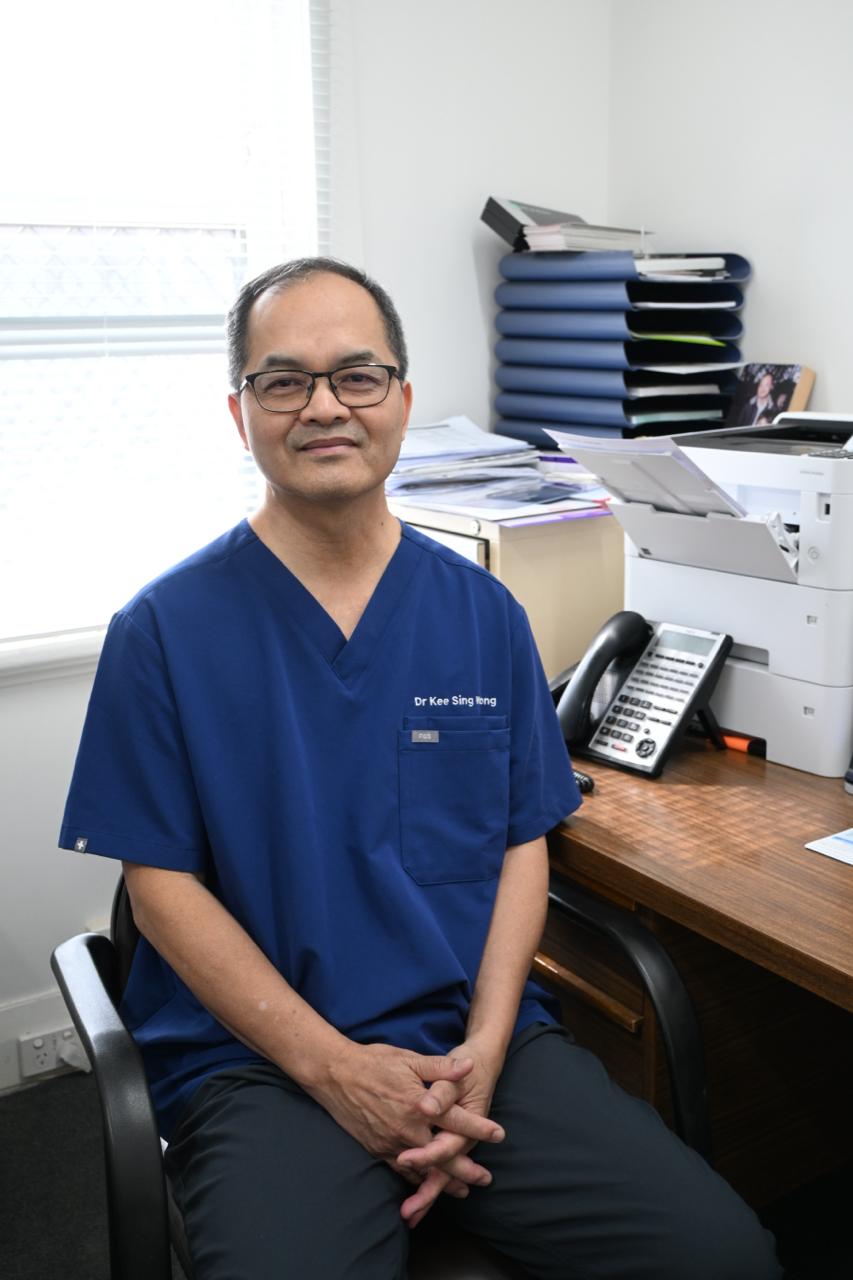
If you are comparing options in Adelaide, start with what you would like assessed. Brown spots, persistent redness and rough texture can appear together, but they do not necessarily need the same approach. At W Medical Aesthetics, Dr Wong assesses your skin and medical history before discussing whether either option is appropriate.
BBL laser vs MOXI: How the technologies differ
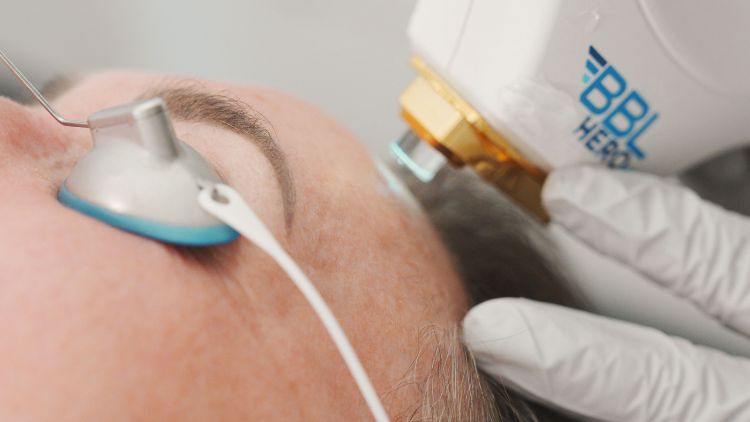
BBL uses filtered pulses of broad spectrum light. Selected wavelengths are absorbed by melanin, the pigment responsible for brown colour, or haemoglobin within blood vessels. This allows a practitioner to address certain pigmentation concerns and small visible blood vessels.
Although people often call it a laser, BBL belongs to the intense pulsed light family. W Medical’s BBL vs IPL guide explains that relationship in more detail.
MOXI is a non-ablative fractional laser. It delivers energy at 1927 nm to target water within the skin, creating microscopic heated zones rather than removing the entire surface layer. It creates microscopic treatment zones with untreated skin between them. This fractional approach supports a controlled repair response and can improve selected superficial pigment and texture changes.
Both technologies can be considered for selected pigmentation concerns. The cause of the colour change matters. Visible vessels, separate sun spots and broader patches of pigmentation can require different approaches.
| Comparison | BBL | MOXI |
|---|---|---|
| Technology | Filtered broad spectrum light | Fractional 1927 nm laser |
| Energy target | Selected pigment and blood vessels | Water within skin tissue |
| Common assessment focus | Brown spots, redness, visible vessels | Superficial pigment, tone and texture |
| Temporary visible changes | Redness, swelling, darker treated spots | Redness, swelling, roughness and fine dots |
| Important limitation | Not a resurfacing laser | Not a direct equivalent for vascular treatment |
These are general distinctions. Skin type, diagnosis, settings and recovery needs still determine suitability.
Choosing between BBL and MOXI for pigmentation, redness and texture
BBL may be considered for certain sun spots and small visible vessels. MOXI may be considered when superficial pigmentation and rough texture are the main concerns. However, choosing a device before identifying the cause of the concern can lead to an unsuitable plan.
For example, a few separate brown spots need a different assessment from larger, patchy areas of pigmentation. Similarly, facial redness can involve visible vessels, rosacea or irritation. A light procedure does not address every cause.
A practical starting point is to identify your main priority.
- Distinct brown spots: Ask what type of pigment is present.
- Persistent redness: Ask whether vessels, inflammation or irritation are involved.
- Rough texture: Discuss its cause and the degree of change expected.
- Several concerns together: Ask which deserves attention first.
W Medical’s BBL assessment information describes how Dr Wong considers pigment pattern, redness, skin type and previous responses before planning care.
MOXI laser vs BBL for darker skin and melasma
Darker skin tones and a history of pigmentation after irritation need careful planning with either technology. MOXI targets water within the skin, while BBL uses selected wavelengths to target pigment or blood vessels. Unwanted pigment changes remain possible with either procedure.
With pulsed light, surrounding skin pigment can also absorb energy. Burns, blistering and darker or lighter patches are possible complications. A recent tan adds another reason to reassess timing and settings.
Melasma needs particular care. It is a recurring pigment condition, rather than a collection of ordinary sun spots. Laser and light procedures can sometimes worsen it or trigger pigmentation after inflammation. A device that improves one person’s pigmentation may be unsuitable for another person’s pattern.
If you have melasma, ask whether laser or light treatment is appropriate, or whether skincare and sun protection should come first. Melasma can return after improvement, so ongoing management may still be needed.
BBL HERO vs MOXI and where HEROic fits
BBL HERO is a version of Sciton’s BroadBand Light platform. HEROic is a newer BBL system with additional delivery and control features. Both remain light technologies, while MOXI remains a fractional laser.
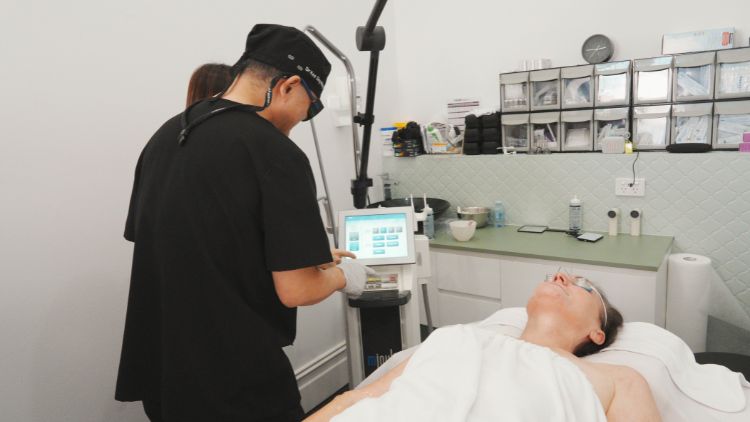
At W Medical Aesthetics, Dr Wong assesses whether BBL HEROic, MOXI or another approach suits your skin. The specific device matters, but its name does not determine your likely response. Selected settings, treatment area and your skin’s condition also affect the experience.
When comparing clinics, ask which system they use and who assesses suitability. It is also reasonable to ask who performs the procedure and who you should contact if recovery does not progress as expected.
MOXI vs BBL recovery and aftercare
After BBL, treated spots can temporarily darken. After MOXI, redness and a rough surface with fine dark dots can develop. Feeling comfortable enough to work does not mean these visible changes have settled, so allow time before an event, travel or photographs.
BBL can also cause temporary warmth, redness and swelling. Darkened spots gradually shed or fade over the following days to weeks, depending on the area and settings.
The fine dots that can appear after MOXI are called microscopic epidermal necrotic debris, or MENDs. Sciton describes these dots shedding around days three to five, although individual recovery can take longer. Do not scrub or pick them off. Once these dots have shed, changes in tone and texture may still be developing.
Follow the clinic’s instructions about cleansing, moisturiser, makeup and restarting active skincare. Sun protection is essential during recovery. Ask how long to avoid strenuous exercise, excess heat and direct sun exposure for your particular procedure.
Both approaches carry risks. These include pigment changes, burns, infection, prolonged redness and scarring, depending on the procedure and individual circumstances. Contact your treating clinic promptly for blistering, broken skin, increasing pain or a reaction that is worsening.
When combining BBL and MOXI is worth discussing
A combined appointment may be considered when suitable pigment or vascular concerns occur alongside superficial texture changes. However, having access to both technologies does not mean both are necessary.
Combining procedures also changes the recovery discussion. Redness, swelling and surface roughness may be more noticeable than after BBL alone. Dr Wong considers how much treatment your skin can tolerate and whether separate appointments would be more appropriate.
Ask which concern each procedure would address and whether starting with one would be enough. If both are proposed, ask why they would be performed together and what additional recovery to expect.
Choosing one procedure, waiting or deciding against a procedure are all reasonable outcomes of assessment.
Results, repeat appointments and costs
Neither BBL nor MOXI offers a fixed result or duration for everyone. The concern being treated, treatment intensity, skin response and further sun exposure influence what changes and how long those changes remain visible.
Sciton describes some MOXI changes becoming noticeable within five to seven days. BBL changes can develop over the following weeks. These timeframes are a guide. Your skin may take longer to recover or show visible change.
At review, the clinician should assess how your skin has responded before recommending another appointment. The number of appointments depends on the concern, the area treated and your response. Ask what change is realistic after the first appointment and how the clinician would decide whether another appointment could help.
For costs, request an itemised quote covering:
- The area and technology proposed.
- Whether one or both procedures are included.
- Consultation and follow up fees.
- Any recommended aftercare products.
- The estimated total if further appointments are considered.
Compare the estimated total for the proposed plan, rather than the starting price alone.
What to discuss with Dr Wong in Adelaide
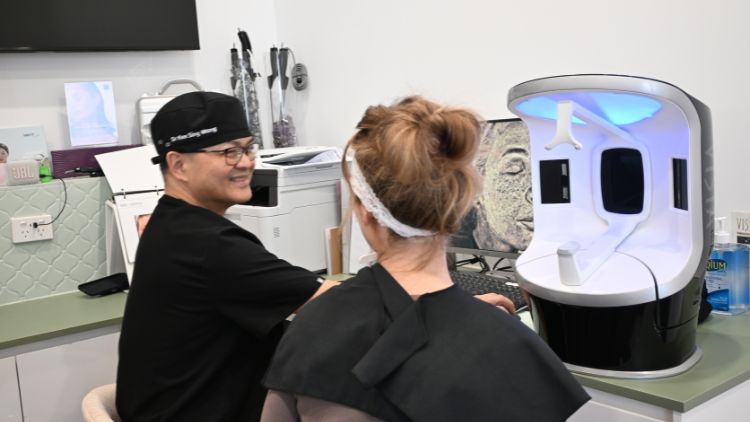
A consultation should help you understand the cause of the concern, the options available and the limits of each approach. Bring details of previous procedures, skincare products and any unwanted reactions.
Useful questions include:
- What is causing the pigmentation, redness or texture change?
- Which concern would you assess or address first?
- Would one procedure be enough to consider initially?
- What recovery should I allow for my work and plans?
- What would make you recommend postponing or avoiding treatment?
Tell Dr Wong about recent tanning, medicines, previous pigment changes and any history of cold sores. These details can affect preparation, timing and the options discussed.
Frequently asked questions
Does either procedure hurt?
BBL can feel like warmth and brief snapping against the skin. MOXI can cause heat or prickling, and topical anaesthetic may be considered. Sensation varies with the area, settings and individual sensitivity. Ask what comfort measures are planned and what you should report during the appointment.
Can either procedure remove deep acne scars?
Deep or tethered acne scars need a separate assessment. Tethered scars have attachments beneath the skin that pull the surface down. BBL primarily addresses selected colour concerns, while MOXI’s superficial fractional approach has limits. Significant scarring may require a different plan.
What should I bring to my first consultation?
Bring a list of your medicines and skincare products, details of previous laser or light procedures, and any history of unwanted reactions. Tell Dr Wong about recent tanning and upcoming travel or events. This helps the consultation address both your skin concerns and the timing of any proposed care.
Making a considered choice
The BBL vs Moxi decision starts with the concern being assessed. Selected pigmentation and visible vessels may lead the discussion towards BBL. Superficial tone and texture changes may make MOXI relevant. Your skin history and recovery needs help determine whether either approach is appropriate.
Book a consultation with Dr Wong at W Medical Aesthetics in Adelaide to discuss the cause of your skin concerns, suitable options, expected recovery and costs. If you would prefer to clarify something first, contact the clinic with your question before booking.
This page provides general information and does not replace an individual medical assessment. Responses and results differ. Dr KS Wong assesses your skin, medical history and goals before recommending anything. All procedures carry risks, which should be discussed before treatment.