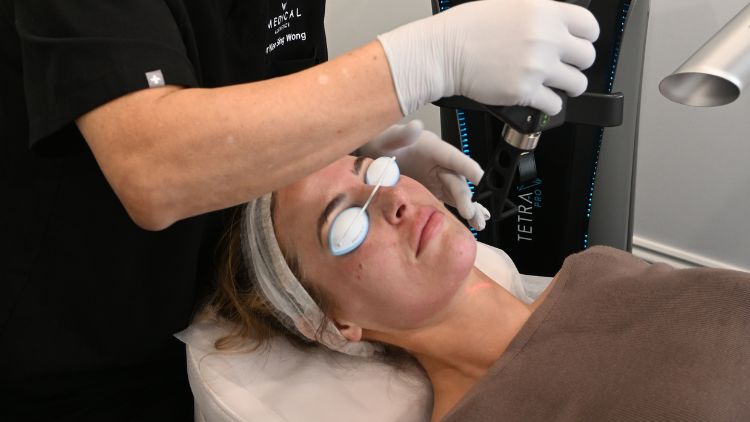
The CO2 laser vs Fraxel comparison starts with how each device treats the skin and which concern needs attention. Fractional CO2 removes microscopic columns of skin, while Fraxel Dual heats small treatment zones without vaporising tissue. Both can address selected texture concerns, but recovery, pigment risk and the number of appointments differ.
Your skin concerns help guide the choice. Acne scars, brown marks and fine lines can appear together, yet they do not necessarily need the same approach. At W Medical Aesthetics in Adelaide, Dr Wong assesses these differences before discussing whether resurfacing is appropriate.
How CO2 laser and Fraxel work differently
Fractional CO₂ laser is an ablative laser, meaning it vaporises targeted areas of skin to stimulate skin renewal and collagen remodelling. Fraxel Dual is a non-ablative fractional laser, which creates controlled thermal injury within the skin without vaporising the treated tissue.
Both treatments use a fractional approach, targeting microscopic treatment zones while leaving surrounding tissue intact to support healing.
The key difference is not whether the laser uses a fractional pattern, but whether it removes tissue or heats the skin without ablating it. This influences the treatment intensity, recovery time and potential results.
Fractional CO2 removes small columns of tissue
CO2 laser energy interacts with water in the skin. In fractional resurfacing, it removes microscopic columns of tissue and produces heat around those columns. The skin then repairs the treated areas.
The amount of tissue removed depends on the settings. Treatment depth and the proportion of skin treated influence both the recovery and the potential for complications. A lighter fractional procedure and intensive resurfacing should not be expected to feel or recover in the same way.
Fraxel Dual uses two non-ablative wavelengths
Fraxel Dual uses 1550 nm and 1927 nm wavelengths. The 1550 nm wavelength reaches deeper tissue, while 1927 nm targets more superficial skin layers. The wavelength selected depends on the concern being treated.
Non-ablative does not mean the skin remains unaffected. Redness, swelling, sensitivity and peeling can still occur after treatment.
The Fraxel model needs to be identified
Fraxel is a brand with different devices. Fraxel Dual is non-ablative, but Fraxel re:pair is a CO2 laser system.
This article compares fractional CO2 resurfacing with non-ablative Fraxel Dual. If you have been offered Fraxel elsewhere, ask for the model name before comparing recovery or costs.
CO2 laser vs Fraxel at a glance
The main trade-off is the extent of tissue removal and the recovery that follows. Neither approach is automatically more suitable because it is more intensive or involves fewer appointments.
| Comparison | Fractional CO2 | Fraxel Dual |
|---|---|---|
| Laser type | Ablative fractional | Non-ablative fractional |
| Tissue effect | Removes microscopic columns | Heats microscopic treatment zones |
| Wavelength | Approximately 10,600 nm | 1550 nm and 1927 nm |
| Concerns assessed | Selected scars, fine lines, texture and sun-related changes | Selected scars, fine lines, texture and pigmentation |
| Recovery | Often longer with intensive settings | Usually shorter, with visible reactions possible |
| Appointment planning | Individualised, sometimes staged | A series may be recommended |
| Important risks | Pigment changes, infection and scarring | Pigment changes, infection and scarring |
These are broad differences. Treatment settings, the area treated and your healing response can change the comparison substantially.
Matching laser resurfacing to the skin concern
The main concern helps guide which laser approach is worth discussing. Fraxel Dual’s 1927 nm wavelength targets superficial skin layers and may be considered for selected pigmentation concerns. Fractional CO2 removes tissue and may be considered for selected scars and texture changes. Both approaches have overlapping uses, so skin tone, treatment settings and recovery also influence the choice.
Acne scars and uneven texture
Both approaches can be considered for selected depressed acne scars. As the skin repairs after resurfacing, changes in collagen can make some depressed scars less noticeable. Laser resurfacing does not remove every scar or produce the same improvement across different scar types.
When comparing Fraxel laser vs CO2 for acne scars, consider the scar’s depth and shape, including whether tissue beneath it pulls it down. Some scars need another approach alongside, or before, resurfacing.
For example, a scar attached to deeper tissue may need a procedure that releases that attachment. Increasing laser intensity alone does not address every cause of an indentation. The American Academy of Dermatology explains that acne scar treatment can involve more than one method, depending on the type of scar.
Pigmentation and sun-related changes
Freckles, sunspots, melasma and marks left after inflammation need different assessments. Their appearance alone does not establish whether Fraxel Dual or CO2 resurfacing is appropriate.
The cause of the pigmentation needs assessment before choosing a laser. A previous tendency to develop dark marks after irritation also affects planning. Resurfacing can cause unwanted pigment changes, even when uneven colour is the concern being treated.
W Medical’s skin concerns guide provides background on pigmentation and acne scarring before your appointment.
Fine lines and surface roughness
Resurfacing can be considered when fine lines and uneven texture are the main concerns. The potential change depends on the skin, treatment depth and healing response.
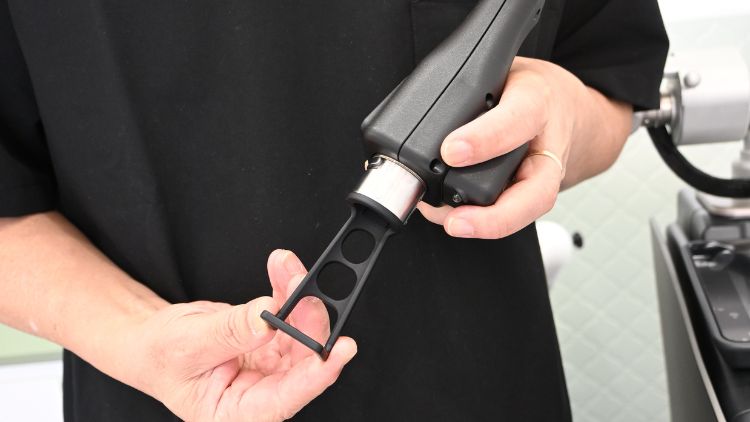
Fine surface lines, changes in facial volume and loose skin need different assessments. Improving surface texture does not necessarily address volume loss or loose skin. At W Medical, suitability for Tetra Pro CO2 laser depends on the findings of an individual assessment.
Recovery involves more than time away from work
Fraxel Dual generally involves less recovery than intensive fractional CO2 resurfacing. However, returning to work, restarting makeup and having skin that looks settled are separate milestones.
When comparing Fraxel vs fractional CO2, ask when you could return to work, wear makeup and resume exercise. Working from home may be manageable before an in-person meeting or a special event feels comfortable.
After non-ablative Fraxel Dual
Redness, swelling, warmth and a rough or bronzed appearance can develop. Dryness and flaking may follow as treated skin sheds.
Allow for several days of visible skin changes rather than assuming an immediate return to your usual appearance. The extent and duration depend on the wavelength, energy, treatment coverage and your response. The manufacturer also identifies prolonged redness and delayed healing as possible complications.
After fractional CO2
Fractional CO2 can involve peeling, crusting and more demanding skin care while the surface recovers. More intensive fractional CO2 resurfacing can involve approximately seven to fourteen days of visible recovery. Pinkness or sensitivity can continue after peeling settles. Ask how the proposed settings affect peeling, wound care and the timing of your return to usual activities.
Planning aftercare and commitments
Ask for guidance that covers:
- When you can return to work and exercise.
- When makeup and active skincare can restart.
- How to cleanse and protect the treated skin.
- Which symptoms need prompt clinical review.
- How much flexibility to leave before travel or events.
Sun protection and the prescribed aftercare matter for both approaches. Do not pick peeling skin or change prescribed medicines without speaking with the treating practitioner.
Risks and skin tone influence suitability
Both fractional CO2 and Fraxel Dual carry risks. These include burns, infection, prolonged redness, unwanted colour changes and scarring. Appropriate eye protection is also necessary during laser treatment.
Darker skin tones and a history of pigmentation after inflammation need particular consideration. This does not automatically rule out resurfacing, but it can change the device, settings or preparation recommended.
Tell the treating practitioner about cold sores, previous healing problems, raised scars, medical conditions and all medicines or supplements you take. Recent tanning or sunburn can also affect whether treatment should proceed.
If you are comparing CO2 laser resurfacing vs Fraxel, ask how your own pigment and healing risks change the recommendation. A shorter recovery period does not remove the need for screening, aftercare or follow-up.
Treatment may need to wait while an infection, active inflammation or another healing concern is addressed. Choosing to delay or decline a procedure remains a valid decision.
Costs and the number of appointments
A useful cost comparison covers the proposed course of care, rather than one appointment alone. The treatment area, device, settings, comfort measures and follow-up arrangements can all affect the quote.
Non-ablative resurfacing may involve several appointments. Fractional CO2 may also require staged treatment or further procedures, depending on the concern and response. Neither guarantees a particular result after one appointment.
Before deciding, ask for a written explanation of:
- The exact device and area being treated.
- The proposed number and spacing of appointments.
- The consultation and procedure fees.
- The aftercare and reviews included.
- How further treatment would be assessed and priced.
Include time away from work and the practical demands of aftercare when comparing the overall cost.
What to discuss with Dr Wong at W Medical
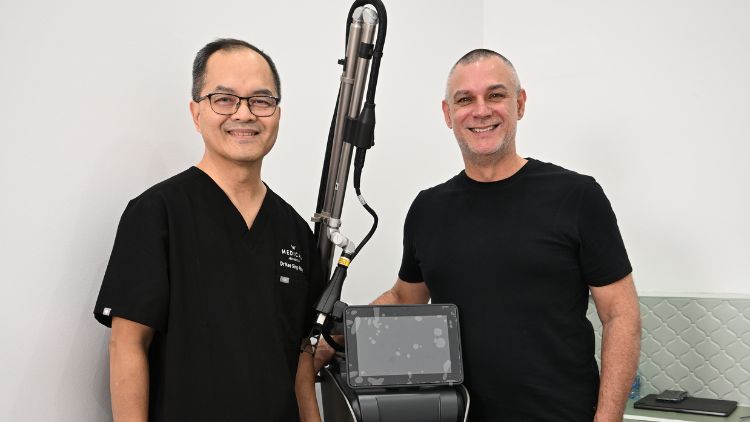
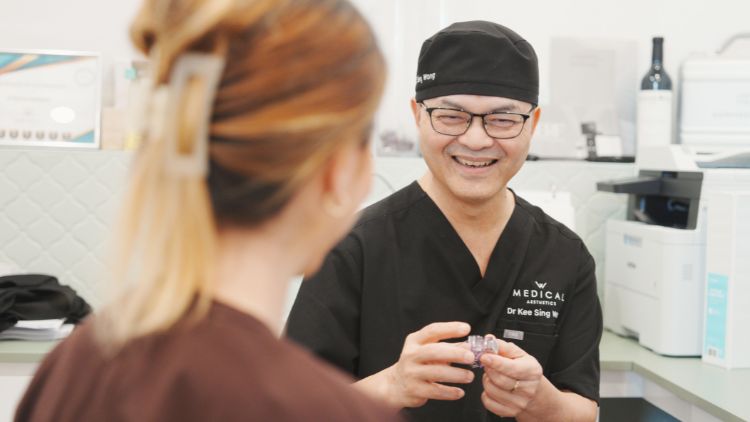
At W Medical Aesthetics, Dr Wong reviews your skin concerns, medical history, previous procedures and expectations before assessing whether Tetra Pro CO2 resurfacing is appropriate. Pigment risk and the recovery you can accommodate help guide the proposed settings. The discussion also covers alternatives and whether delaying or declining a procedure would be appropriate.
Bring details of any previous laser treatment, including the device name if available. Explain which concern matters most and what would make recovery difficult. Before deciding, ask who would perform the procedure, what the consultation and procedure fees include, and how aftercare and review would be arranged.
Frequently asked questions
What should I ask if CO2 resurfacing does not suit my skin?
Ask which finding makes CO2 resurfacing unsuitable and whether another approach could address your concern. Also ask whether the issue needs treatment first or whether waiting would change the options. You do not need to choose another procedure simply because CO2 is unsuitable.
Is CO2 laser more painful than Fraxel Dual?
Ablative resurfacing generally involves greater discomfort than non-ablative resurfacing, but the area and settings affect the experience. Both can involve heat, stinging or tenderness. Ask about the planned comfort measures and what to expect afterwards, particularly if you have found previous skin procedures difficult.
When can acne scar results be assessed?
Laser scar treatment can take months to show its fuller effect. Early swelling and surface changes do not represent the final result. Review timing should allow the skin to heal and tissue remodelling to develop before deciding whether another appointment would provide worthwhile benefit.
Will I need regular maintenance appointments?
Maintenance is not automatic. Further treatment depends on the original concern, the response and whether there is a clinical reason to proceed. Ask how progress will be reviewed and what would lead the practitioner to recommend another appointment, a different approach or no further procedure.
Choosing an approach that suits your skin
The choice between CO2 laser and Fraxel Dual depends on the concern, treatment settings and the recovery involved. Greater intensity does not automatically make a procedure more suitable.
Book a consultation with Dr Wong at W Medical Aesthetics in Adelaide to discuss whether CO2 resurfacing suits your skin, alongside alternatives, risks, recovery and costs. If you are still gathering information, contact the clinic with a question before booking.
This page provides general information and does not replace an in-person assessment. Individual responses and results differ. All procedures carry risks, which should be discussed before deciding whether to proceed.
Practitioner information: Dr Kee Sing Wong, MBBS, FRACGP. Registered medical practitioner with general and specialist registration in General Practice. AHPRA registration number MED0000996242.