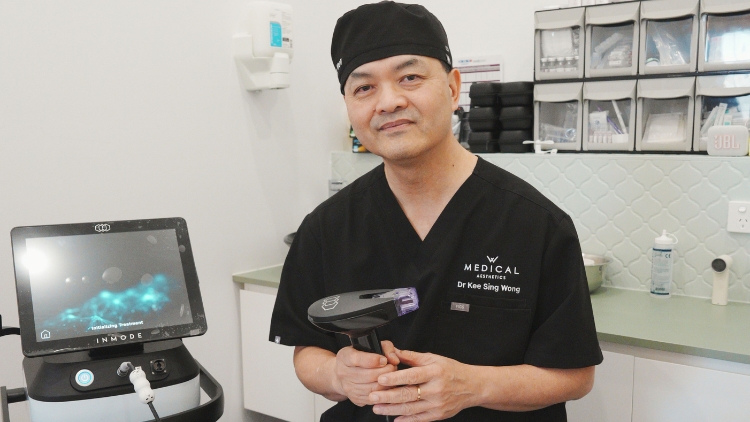
Morpheus8 for scars is an RF microneedling approach that may help soften the appearance of selected indented acne scars and uneven skin texture. It does not remove scars, and it is not equally suited to every scar pattern. At W Medical Aesthetics in Adelaide, an assessment considers scar depth, tethering, active acne and pigmentation risk before a treatment is recommended.
How does Morpheus8 work on acne scars?
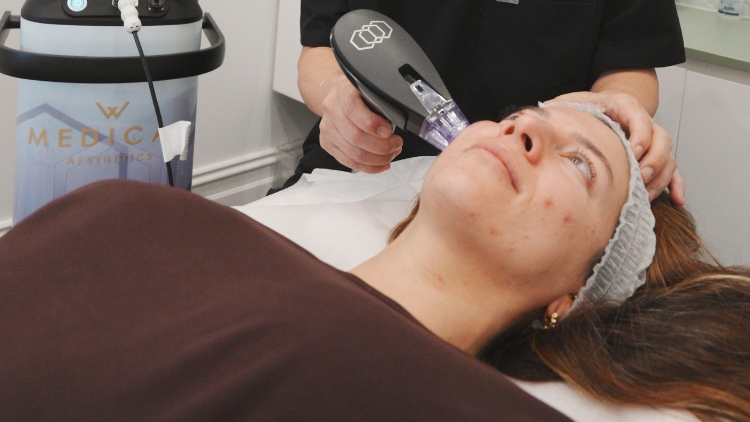
Morpheus8 combines fine needles with radiofrequency energy and may be considered for selected acne-scar texture concerns. The needles enter the skin while RF energy creates controlled heat in the treated tissue. The resulting healing response may support changes in skin texture over time. RF microneedling does not release the fibrous bands beneath a tethered scar or erase an established scar.
Research on RF microneedling for acne scars reports improvement in some patients with indented scars. Study results vary, so they cannot predict how much an individual scar will change after treatment. The scar’s shape and depth help guide the assessment before a treatment is selected.
Which types of scars may need a different approach?
Scar type matters because indented, tethered and raised scars need different assessments. Indented acne scars can look similar from a distance but differ in depth and structure. Morpheus8 may be discussed for selected shallow textural changes. A narrow, deep scar or a depression held down by fibrous tissue may need another procedure or a staged plan.
|
Scar or mark |
What an assessment needs to establish |
|---|---|
|
Shallow indented acne scars |
Whether RF microneedling is suitable for the scar depth and surrounding skin. |
|
Rolling scars |
Whether the depression is tethered. Subcision may be considered if fibrous bands hold it down. |
|
Narrow, deep ice pick scars |
Whether a more targeted approach is needed. RF microneedling alone may have limited value. |
|
Flat red or brown post-acne marks |
Whether the concern is colour rather than a change in skin structure. |
|
Raised scars or keloids |
Whether a different scar assessment and treatment pathway is appropriate. |
These are assessment considerations, not a treatment plan. A surgical scar needs a separate assessment of its location, age and healing history before Morpheus8 is considered. Several scar types can appear in the same area, so one procedure may not address every mark in the same way. W Medical Aesthetics’guide to types of scarring from acne explains these differences in more detail.
What happens during an assessment and treatment?
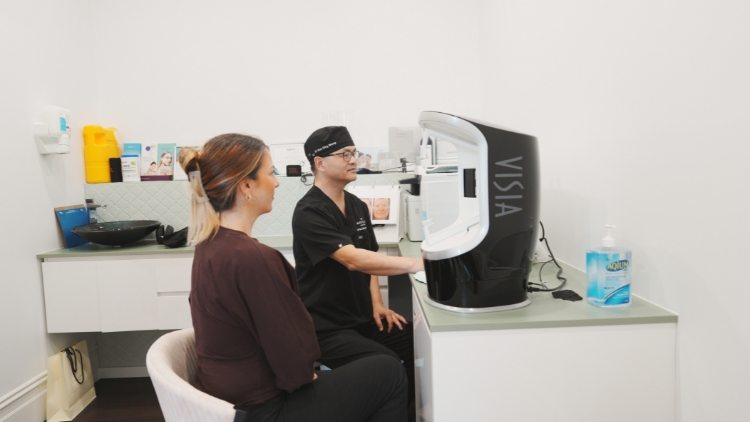
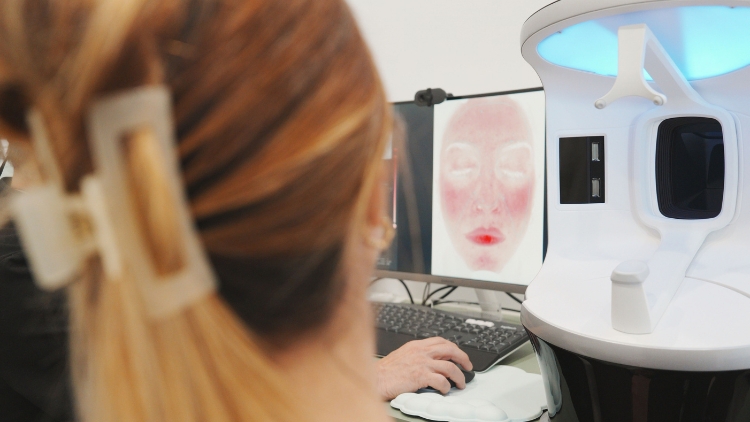
An assessment identifies what is being treated before device settings or a session plan are discussed. The practitioner examines scar shape and depth, checks for active acne, and asks about previous procedures, healing and pigment changes. If active acne, tethering or a history of difficult healing changes the plan, the clinician may recommend addressing that concern first or discussing another approach.
If Morpheus8 is considered suitable, the clinic can explain the proposed treatment area, preparation, expected recovery, risks and alternatives. The procedure uses a microneedling handpiece to deliver RF energy to the assessed area. Settings and the need for further sessions depend on the clinical assessment.
The assessment should clarify which marks are true scars, whether any are tethered, and what degree of change may be realistic. You can discuss recovery, risks and alternatives without committing to treatment.
For a broader view of the available pathways, see W Medical Aesthetics’acne scarring treatment consultation. It also discusses when resurfacing or subcision may be considered.
What results and recovery are realistic?
Any change in acne-scar texture develops gradually as the treated skin heals. The degree of change depends on scar depth, skin response and whether tethering needs a separate approach.
Treatment may soften the appearance of some scars or improve surrounding texture, but scars can remain visible. More than one session or a combination of approaches may be discussed when the scar pattern warrants it. No particular degree of improvement can be promised.
Redness, swelling, tenderness, roughness and pinpoint marks can occur after RF microneedling. Other reported adverse effects include acne flares and post-inflammatory hyperpigmentation. Recovery and individual risks depend on skin characteristics, medical history, the treatment area and device settings. Before proceeding, ask what aftercare is recommended and which symptoms should prompt you to contact the clinic.
When might Morpheus8 not be the first step?
Having acne scars does not automatically make Morpheus8 the appropriate first treatment. Active inflammatory acne may need attention before scar procedures. Tethered rolling scars may call for an assessment of subcision, while prominent colour changes need to be distinguished from true indentations. Previous pigment changes or difficult healing also affect the decision.
Other options, including laser resurfacing, have different treatment targets and recovery considerations. The choice depends on the scar structure and the risks acceptable to the individual. W Medical Aesthetics discusses these approaches in its skin quality and texture assessment.
Risks to discuss before RF microneedling
RF microneedling can cause burns, scarring, unwanted fat loss and nerve damage. Discuss these risks, pigment changes, infection and recovery with your practitioner before proceeding. FDA safety information on RF microneedling.
Frequently asked questions
Does Morpheus8 remove acne scars permanently?
No. Morpheus8 may improve the appearance of selected acne scars, but it does not erase scar tissue or guarantee a permanent visual result. The extent of change depends on scar type, depth, skin response and whether another approach is needed for tethering or deeper scars.
Can Morpheus8 treat surgical scars or stretch marks?
Morpheus8 for surgical scars cannot be recommended on the basis of acne-scar evidence alone. A clinician needs to examine the scar’s age, thickness, location and healing history before discussing whether RF microneedling has a suitable role. Stretch marks also require a separate assessment because they differ from acne and surgical scars.
How many sessions are needed for acne scars?
There is no reliable session count that applies to every scar pattern. The clinician first needs to assess scar depth, skin characteristics, healing history and whether treatment should be staged with another procedure. Further sessions may be discussed after the response to treatment is reviewed.
Is Morpheus8 the same as standard microneedling?
No. Both approaches use needles, but Morpheus8 also delivers radiofrequency energy into the tissue. Their risks and outcomes should not be treated as interchangeable. A review of clinical trials found mixed comparative evidence for microneedling approaches used on acne scars.
An assessment of the scar pattern is the first step in deciding whether Morpheus8 for scars has a suitable role. If you are considering treatment in Adelaide, request a scar assessment with W Medical Aesthetics. The clinician can examine the scar pattern and discuss whether Morpheus8, another approach or no procedure at this stage is appropriate.
Further reading
Practitioner and information scope
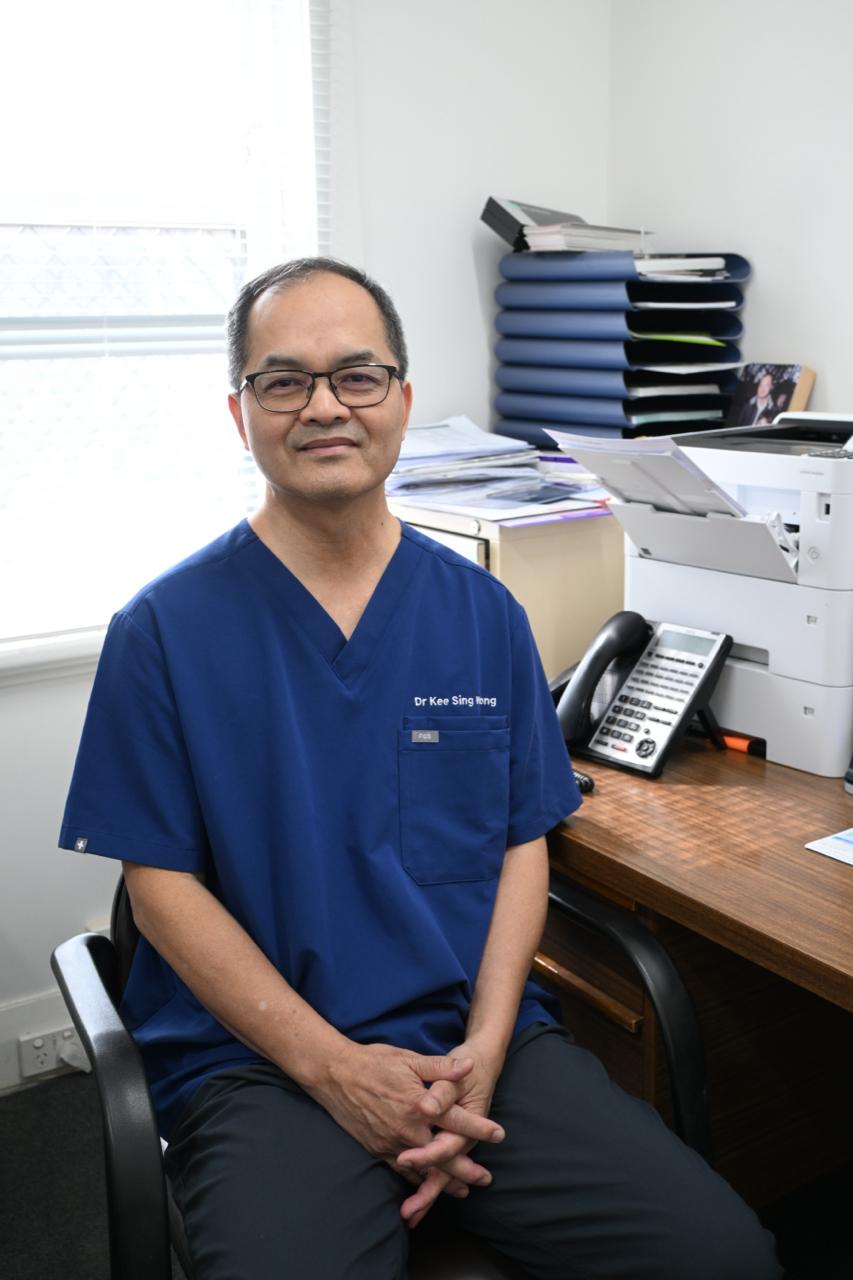
Dr Kee Sing Wong (Ahpra MED0000996242) is a registered medical practitioner with general registration and specialist registration in general practice. Registration status: Registered, as stated in the clinic’s professional profile. His FACCSM (Med) fellowship is not specialist registration in plastic surgery.
This article provides general information, not individual medical advice or a recommendation to undergo treatment. Suitability, outcomes, recovery and maintenance vary. Discuss procedure-specific risks, alternatives and the option not to proceed with the treating practitioner.