FaceTite is a minimally invasive radiofrequency-assisted treatment designed to support facial skin tightening, while facelift surgery is a surgical procedure that repositions deeper facial tissues. FaceTite may suit patients with mild to moderate laxity who prefer a less invasive approach, while facelift surgery addresses more advanced facial ageing changes.
As facial ageing progresses, changes in skin quality, collagen levels and underlying tissue support can affect facial definition. Choosing between FaceTite and facelift depends on individual anatomy, treatment goals and the degree of laxity present.
What is the difference between FaceTite vs facelift?
FaceTite and facelift differ mainly in how they address facial aging. FaceTite focuses on controlled tissue tightening using radiofrequency energy through a small access point, while facelift surgery involves surgical incisions and repositioning of deeper facial structures.
Both treatments aim to improve facial contours, but they are designed for different levels of skin laxity and patient expectations.
|
Comparison |
FaceTite |
Facelift |
|---|---|---|
|
Treatment type |
Minimally invasive RF-assisted treatment |
Surgical facial rejuvenation procedure |
|
Main approach |
Supports collagen remodelling and tissue contraction |
Repositions deeper facial tissues |
|
Incisions |
Small entry points |
Surgical incisions |
|
Downtime |
Generally shorter recovery period |
Longer surgical recovery |
|
Suitable concerns |
Mild to moderate laxity |
More significant facial ageing changes |
|
Anaesthesia |
Usually performed with local anaesthesia |
Requires surgical anaesthesia approach |
The right choice is not based on age alone. A clinical assessment helps determine whether a minimally invasive approach or surgical procedure better matches your facial structure and desired outcome.
How does FaceTite work compared with a facelift?
FaceTite uses radiofrequency-assisted technology to deliver controlled energy beneath the skin. The device heats targeted tissue layers while monitoring temperature, supporting collagen contraction and remodelling over time.
Unlike facelift surgery, FaceTite does not remove excess skin or reposition facial muscles through surgical techniques. Instead, it is designed to support tightening where mild to moderate laxity is present.
A facelift takes a different approach. During surgery, a surgeon creates incisions to access and reposition deeper facial tissues. Excess skin may be removed, allowing more comprehensive correction of advanced signs of facial ageing.
The key difference is the depth and method of correction:
- FaceTite supports tissue tightening through energy-based treatment.
- Facelift reshapes facial structures through surgical repositioning.
- FaceTite is less invasive but does not replace surgical lifting when significant tissue descent is present.
For patients looking for a minimally invasive facelift option, FaceTite may be considered when concerns are related mainly to skin laxity and early changes in facial definition.
Is FaceTite a facelift alternative?
FaceTite can be considered an alternative for individuals who want facial tightening without undergoing traditional facelift surgery. However, it is not designed to replicate every aspect of a surgical facelift.
The suitability of FaceTite depends on factors including:
- Degree of skin laxity
- Amount of excess skin
- Facial volume changes
- Desired level of lifting
- Individual treatment goals
FaceTite may be suitable for people who notice early signs of laxity around areas such as:
- Jawline definition
- Lower face
- Jowls
- Neck area
However, patients with more advanced skin excess or deeper structural changes may require a surgical approach to achieve their desired outcome.
At W Medical Aesthetics, treatment recommendations are based on individual assessment rather than a one-size-fits-all approach. The goal is to identify an option that aligns with your facial anatomy and aesthetic preferences.
What results can you expect from FaceTite?
FaceTite results develop gradually as the skin responds to controlled radiofrequency energy and collagen remodelling. The treatment supports improvements in skin firmness and facial definition over time rather than replicating the structural lift of surgery.
The timeline and degree of visible improvement vary between individuals. Factors such as skin quality, age, lifestyle and the extent of laxity can influence outcomes.
Potential changes after FaceTite may include:
- Improved skin firmness
- More defined facial contours
- Support for jawline appearance
- Refined appearance of mild sagging
The collagen remodelling process continues after treatment, meaning changes may become more noticeable over the following months.
It is important to have realistic expectations. FaceTite is not intended to remove significant excess skin or produce the same level of correction as facelift surgery. Instead, it provides a minimally invasive option for patients seeking a tightening-focused approach.
Which option provides more noticeable lifting: FaceTite or facelift?
Facelift surgery generally provides a more comprehensive lifting effect because it addresses deeper facial structures and excess skin. FaceTite focuses on supporting tissue tightening and improving facial definition through a minimally invasive approach.
The more suitable option depends on the degree of laxity, skin condition and the level of correction you are looking for. Patients with significant skin excess may require surgical assessment, while those seeking refinement with a less invasive approach may consider FaceTite.
FaceTite vs facelift recovery: What should you expect?
Recovery is another important difference when comparing FaceTite vs facelift.
Because FaceTite does not involve traditional surgical incisions or extensive tissue repositioning, recovery is generally shorter compared with facelift surgery. Patients may experience temporary swelling, bruising or tenderness as the treated area heals.
Facelift recovery usually involves a longer healing period because surgery affects deeper facial structures. Patients typically require more downtime and follow specific post-operative care instructions.
The recovery experience depends on:
- Treatment method
- Individual healing response
- Extent of treatment area
- Clinical aftercare recommendations
A consultation allows your practitioner to explain what recovery may involve based on your chosen procedure.
How does FaceTite compare with other non surgical facelift options?
FaceTite is often compared with a non surgical facelift because both approaches focus on improving facial firmness without traditional facelift surgery. However, the techniques and expected outcomes are different.
The term “non surgical facelift” is commonly used to describe treatments that aim to improve facial firmness or definition without traditional facelift surgery. These approaches may include energy-based technologies or other aesthetic procedures that support skin quality, collagen activity or facial contour refinement.
FaceTite specifically uses radiofrequency-assisted technology to target tissue beneath the skin. It is designed to support contraction of targeted areas and encourage collagen remodelling while maintaining a minimally invasive approach.
The main differences include:
|
Treatment approach |
Main focus |
Level of intervention |
|---|---|---|
|
FaceTite |
Radiofrequency-assisted tissue tightening |
Minimally invasive |
|
Energy-based treatments |
Skin firmness and collagen support |
Non-invasive or minimally invasive |
|
Facelift surgery |
Deeper tissue repositioning and skin removal |
Surgical |
The most suitable option depends on the type of changes being addressed. Someone with early to moderate laxity may consider FaceTite, while someone with more advanced facial ageing changes may benefit from discussing surgical options.
Who may consider FaceTite instead of facelift?
FaceTite can be considered by individuals seeking to improve mild to moderate facial laxity with a less invasive approach than traditional surgery.
Suitable candidates may include people who:
- Notice reduced firmness around the lower face or jawline
- Want to support facial contour definition
- Prefer a minimally invasive approach
- Have realistic expectations about gradual improvement
FaceTite may not be suitable for everyone. During an appointment, a qualified practitioner assesses skin condition, facial structure and treatment goals before recommending an approach.
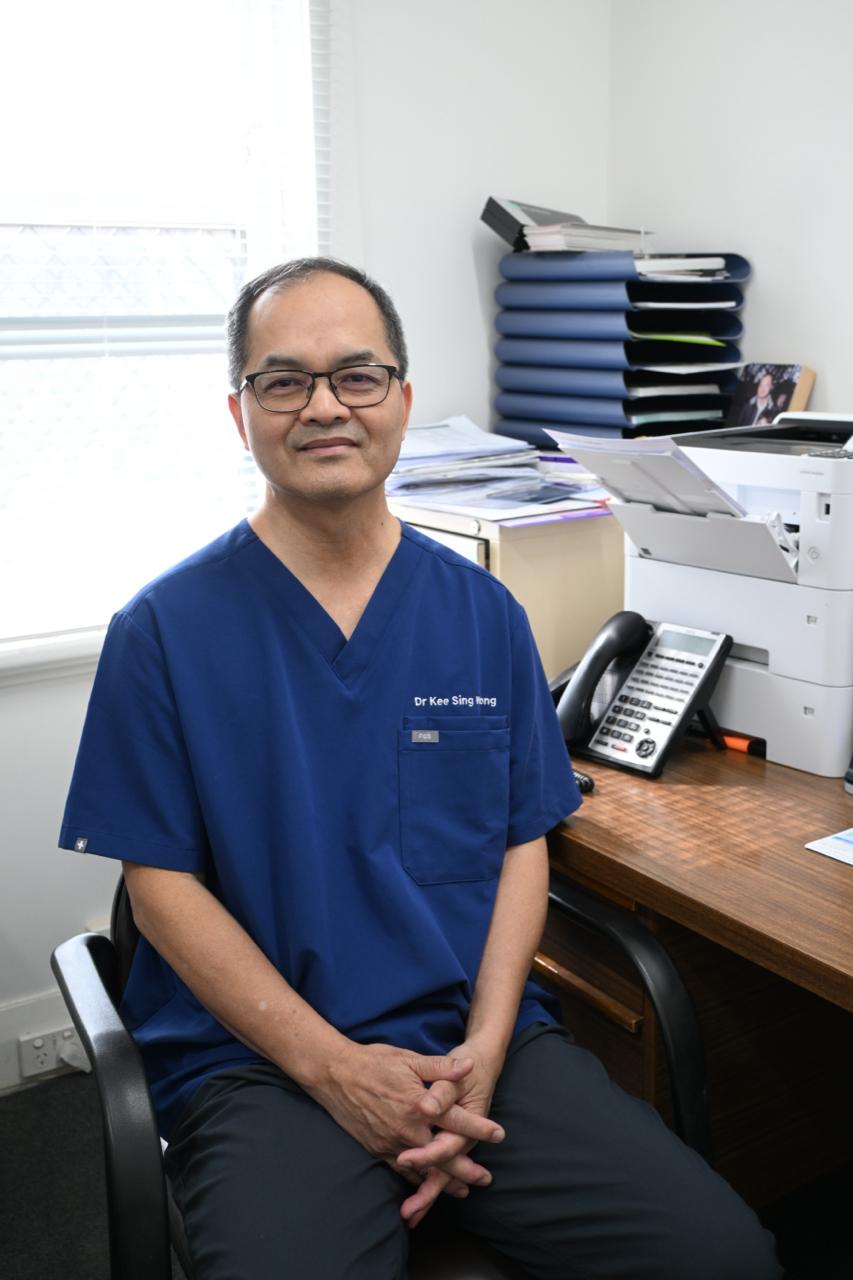
At W Medical Aesthetics, Dr Wong evaluates facial structure, skin quality and individual goals before recommending whether FaceTite or another facial rejuvenation approach is suitable.
Factors considered may include:
- Skin elasticity
- Degree of tissue laxity
- Amount of excess skin
- Overall facial balance
- Previous treatments or procedures
A personalised assessment helps determine whether FaceTite, another facial tightening treatment, or a surgical option is more appropriate.
What are the benefits and limitations of FaceTite?
Understanding both the benefits and limitations of FaceTite helps create realistic expectations before treatment.
Potential benefits of FaceTite
FaceTite may offer benefits for individuals seeking a tightening-focused treatment with a minimally invasive approach:
- Supports collagen remodelling
- Helps improve skin firmness
- Targets specific areas of facial laxity
- Requires smaller access points compared with surgery
- Typically involves less downtime than facelift surgery
Limitations to consider
FaceTite is not designed to replace facelift surgery in every situation. It may not address:
- Significant excess skin
- Advanced facial tissue descent
- Extensive structural changes requiring surgical correction
The outcome depends on individual factors, including skin quality, anatomy and the extent of ageing changes.
A consultation with W Medical Aesthetics allows treatment options to be discussed based on your specific concerns rather than comparing procedures in isolation.
Choosing between FaceTite and facelift: What factors matter?
Choosing between FaceTite vs facelift requires considering your facial concerns, desired outcome and preferred level of intervention.
Key factors include:
Degree of facial laxity
Mild to moderate laxity may respond well to minimally invasive approaches. More significant skin excess or deeper tissue changes may require surgical assessment.
Recovery preferences
Patients who prefer a shorter recovery period may explore minimally invasive options. Those considering surgery should prepare for a more involved recovery process.
Desired level of change
FaceTite focuses on refinement and tightening. Facelift surgery is designed for more comprehensive structural correction.
Clinical assessment
A practitioner evaluates facial anatomy, skin quality and individual goals before recommending an appropriate treatment pathway.
The decision should focus on choosing the approach that aligns with your needs, rather than selecting a procedure based only on popularity or trends.
What should you discuss during a FaceTite consultation?
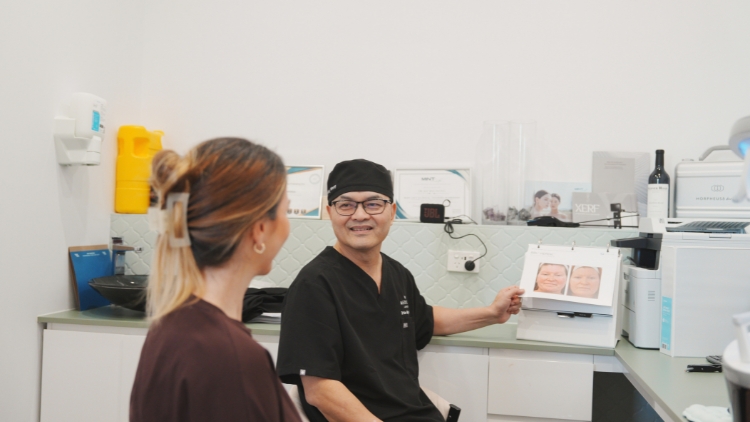
A consultation is an important step when considering any facial rejuvenation procedure. It allows your practitioner to understand your concerns and explain what each option can realistically achieve.
During your appointment, you may discuss:
- Your main areas of concern
- Previous aesthetic treatments
- Expected recovery timeline
- Potential risks and considerations
- Whether FaceTite or another approach is suitable
W Medical Aesthetics takes a personalised approach, with treatment recommendations based on individual assessment and clinical considerations.
Why choose W Medical Aesthetics for facial rejuvenation?
Choosing a facial rejuvenation treatment involves understanding both the technology and your individual facial structure. W Medical Aesthetics takes a personalised approach, with treatment recommendations based on clinical assessment, skin quality and aesthetic goals.
Dr Wong considers each patient’s concerns carefully to determine whether FaceTite, facelift or another treatment approach is appropriate.
Frequently asked questions about FaceTite vs Facelift
Is FaceTite the same as a facelift?
No. FaceTite and facelift are different procedures. FaceTite uses radiofrequency-assisted technology to support tissue tightening, while facelift surgery involves repositioning deeper facial structures through surgical techniques. The suitable option depends on individual facial anatomy and treatment goals.
How long do FaceTite results last?
FaceTite results vary between individuals depending on factors such as skin quality, ageing process and lifestyle. Improvements develop gradually as collagen remodelling occurs. A practitioner can discuss expected outcomes and maintenance considerations during consultation.
Is FaceTite less invasive than facelift surgery?
Yes. FaceTite is considered a minimally invasive treatment that uses small access points to deliver radiofrequency energy, without the larger incisions required for facelift surgery. However, the level of improvement differs from facelift surgery, which addresses deeper facial structures.
Can FaceTite replace a facelift?
FaceTite may be an option for individuals who want facial tightening without undergoing surgery, but it does not replace facelift surgery in all cases. Patients with significant skin excess or advanced laxity may require a different approach.
How do I know whether FaceTite is suitable for me?
The suitability of FaceTite depends on your skin condition, facial structure and aesthetic goals. A consultation with W Medical Aesthetics allows your concerns to be assessed and treatment options to be discussed.
Explore Facial Rejuvenation Options at W Medical Aesthetics
Choosing between FaceTite vs facelift starts with understanding what each treatment is designed to address. FaceTite may suit individuals seeking a minimally invasive approach to facial tightening, while facelift surgery may be considered when more extensive correction is required.
W Medical Aesthetics provides personalised consultations to help you understand your options and choose an approach aligned with your facial anatomy and goals.
Book an appointment with W Medical Aesthetics to discuss whether FaceTite, facelift or another facial rejuvenation approach aligns with your facial concerns and treatment goals.
Risks are part of the comparison
Subdermal RF procedures can involve burns, nerve injury, infection, fluid collection, contour irregularity and scarring. Review of subsurface RF treatments.
Facelift surgery can involve bleeding, infection, nerve injury, delayed healing, visible scarring, anaesthetic complications and blood clots. Facelift risk information from the American Society of Plastic Surgeons. A suitably qualified practitioner should explain the material risks, recovery and alternatives for the proposed procedure. This comparison is not a recommendation to undergo surgery.
Practitioner and information scope
Dr Kee Sing Wong (Ahpra MED0000996242) is a registered medical practitioner with general registration and specialist registration in general practice. Registration status: Registered, as stated in the clinic’s professional profile. His FACCSM (Med) fellowship is not specialist registration in plastic surgery.
This article provides general information, not individual medical advice or a recommendation to undergo treatment. Suitability, outcomes, recovery and maintenance vary. Discuss procedure-specific risks, alternatives and the option not to proceed with the treating practitioner.