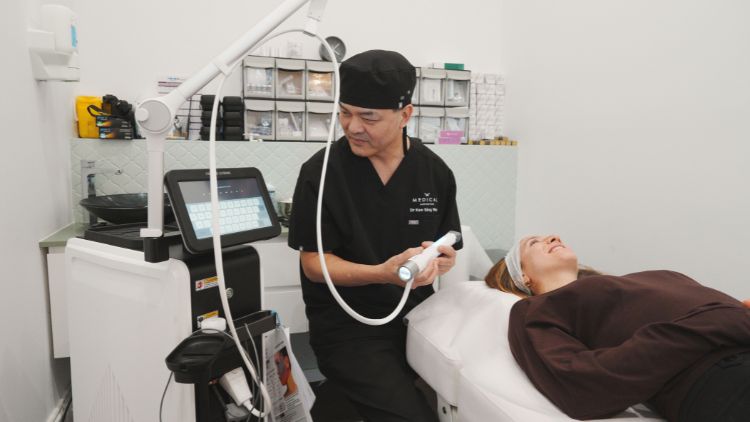
XERF vs Thermage comes down to differences in radiofrequency delivery, treatment planning and clinical evidence. Both are used to address reduced skin firmness. XERF uses 6.78 MHz and 2 MHz frequencies; Thermage FLX uses 6.78 MHz. Neither device is automatically the right choice for everyone.
If you are comparing them, it helps to start with the change you want assessed. A change in facial shape can involve loose skin, loss of volume or tissue that has shifted downwards. These changes need different approaches, even when they affect the same area. At W Medical Aesthetics in Adelaide, the discussion starts with Dr Wong assessing what is contributing to your concern.
How XERF and Thermage work
Both treatments deliver radiofrequency energy through a handpiece placed against the skin. The energy heats tissue beneath the skin surface to stimulate changes in collagen, a protein that helps support skin firmness. This gradual process is called collagen remodelling. Neither treatment uses needles or deliberately removes the skin surface.
The main technical difference between XERF and Thermage is that XERF uses two radiofrequencies, while Thermage FLX uses one. XERF also offers selectable depth settings. The devices use different systems to control energy delivery and manage comfort.
XERF’s two frequencies allow different patterns of tissue heating. This gives the practitioner more options when planning treatment, but does not establish that XERF produces greater improvement. The area, tissue characteristics, settings and technique all affect energy delivery.
The frequency alone cannot tell you how much improvement to expect. Your practitioner should explain which tissue they plan to treat, why the approach suits the area and what change is realistic.
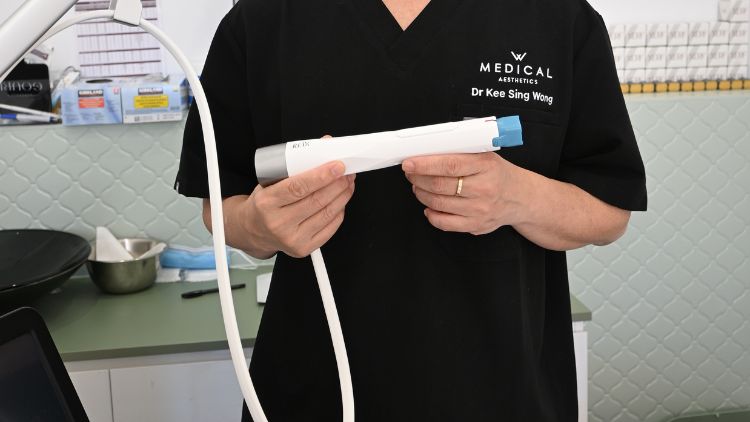
XERF vs Thermage at a glance
XERF and Thermage FLX both use monopolar radiofrequency, with energy delivered through a treatment tip and a separate return pad placed on the body. Their main differences include frequency settings, comfort features and clinical history. These features help guide treatment planning, but cannot predict your individual result.
| Consideration | XERF | Thermage FLX |
|---|---|---|
| Energy type | Monopolar radiofrequency | Monopolar radiofrequency |
| Frequency | 6.78 MHz and 2 MHz | 6.78 MHz |
| Treatment adjustment | Three depth settings and ten intensity levels, according to the Australian manufacturer | Energy delivery adjustment through its treatment system |
| Comfort features | Integrated cooling and controlled pulse delivery | Integrated cooling and vibration |
| Evidence context | Newer platform with emerging human clinical evidence | Part of a longer-established RF device family |
These technical differences do not establish that either device delivers better results for every patient.
Thermage includes several device generations, so confirm which model is included in your quote. This article compares XERF with Thermage FLX; older Thermage systems have different features.
Which treatment may suit your skin concern
Both devices are used to address reduced skin firmness. Choosing between them starts with checking whether loose skin is the main concern, or whether facial hollowing, deeper folds or downward movement of tissue also contribute. RF heating cannot address every cause of a change in facial shape.
For example, a less defined jawline can involve loose skin, tissue that has shifted downwards or fullness beneath the chin. Facial hollowing involves a loss of volume that skin tightening alone cannot replace. Identifying the main cause helps explain what RF could change and what it would leave unchanged.
When comparing XERF vs Thermage FLX, discuss:
- The exact area you want assessed.
- Whether skin laxity is the main contributor.
- How much visible change is realistic without surgery.
- Previous procedures that could affect planning.
- Whether the likely benefit justifies the cost and risks.
A deeper setting is not automatically more suitable for your face. A 2026 XERF study by Weiss and colleagues did not measure changes in specific deep facial structures. It therefore cannot confirm how those structures responded. It also does not show that XERF can reproduce a surgical lift.
If your main concern falls outside what external RF can reasonably address, another approach or no procedure may be more appropriate.
Comfort, recovery and risks
Both treatments produce heat, and sensations can range from warmth to discomfort during each pulse. XERF uses cooling, while Thermage FLX combines cooling with vibration. Your experience depends on the area, settings and individual sensitivity.
Let the practitioner know if a pulse feels sharply painful or unusually intense. Feedback during treatment helps guide delivery; you do not need to tolerate escalating discomfort without speaking up.
Temporary redness, swelling, warmth or tenderness can occur after RF treatment. You may feel ready for normal activities while some redness or swelling remains visible. If you have an event, travel or an important work commitment approaching, discuss recovery and timing before booking.
Less common complications can include burns. Thermage’s safety information also lists altered sensation, pigment changes, skin surface irregularities and rare scarring associated with burns. Ask for the risks relevant to the specific device and proposed treatment area.
Before either procedure, disclose implanted electronic devices, relevant implants, previous facial procedures and current skin problems. Thermage is contraindicated for people with a pacemaker or certain other implanted electrical devices. XERF also requires device-specific suitability screening.
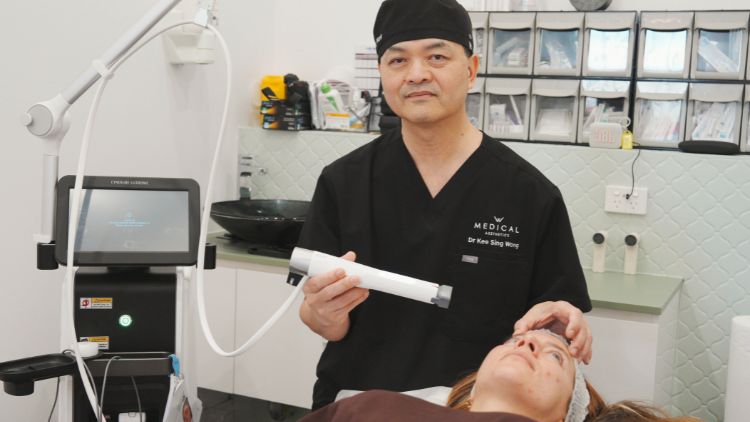
Results, timing and treatment sessions
Changes after RF treatment usually develop gradually. Thermage’s manufacturer describes improvement over two to six months as collagen remodels. Early XERF studies have assessed changes over shorter follow-up periods, leaving uncertainty about how long improvement remains noticeable.
In a 2026 study published in Cureus, Weiss and colleagues followed 39 participants who received two XERF sessions four weeks apart. Assessments took place 30 and 90 days after the second session. The study reported short-term improvement, received manufacturer support and did not include a Thermage comparison group. It cannot establish which device would give you a better result.
A separate XERF study reviewed previous patient records and described its findings as preliminary. Larger studies with comparison groups are still needed to clarify results and their duration.
Thermage FLX is commonly offered as a single session. XERF schedules vary, and the two-session study protocol does not mean everyone needs two appointments. Ask why a particular schedule is proposed, when your response will be reviewed and whether further treatment would be justified.
Maintenance should follow reassessment of your response and goals. It should not become an automatic repeat appointment.
What to check when comparing costs in Adelaide
A meaningful cost comparison needs the same treatment area, a clear session plan and an explanation of what the fee includes. A lower price per appointment may involve a different area or a different number of sessions. Ask for the anticipated total cost before deciding.
When comparing Thermage vs XERF, request a written quote that explains:
- The device model and treatment area.
- The proposed number of sessions and the reason for them.
- Consultation and follow-up fees.
- Who will perform the procedure.
- How concerns or complications will be reviewed.
A higher pulse count, meaning more deliveries of RF energy, does not by itself mean a better result. The devices deliver energy differently, so ask how the proposed settings and coverage suit the area being treated.
Before consenting, check whether the quote covers the full proposed course or only one session. Ask which follow-up appointments are included and what additional fees could arise.
What to discuss with Dr Wong before deciding
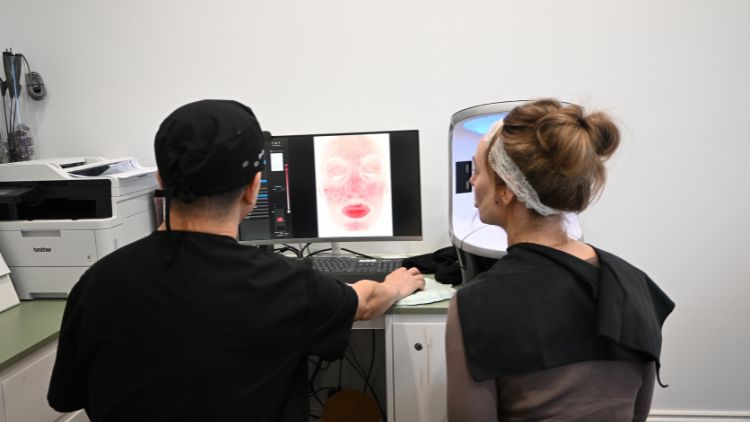
At W Medical Aesthetics, Dr Wong can assess your skin, medical history and previous procedures before discussing whether XERF is appropriate. Bring details of previous procedures and explain the change you hope to see, along with any concerns about recovery, cost or discomfort.
Useful questions include:
- Is skin laxity the main cause of the change I have noticed?
- What improvement is realistic for this area?
- What would this procedure leave unchanged?
- What risks are relevant to my medical history and anatomy?
- Would waiting or choosing another approach make more sense?
You do not need to arrive with a device already selected. The consultation should help you understand your options, including their limits, before making a decision.
Frequently asked questions
Is XERF a newer version of Thermage?
No. XERF and Thermage FLX are separate radiofrequency platforms, rather than different generations of the same device. XERF uses two frequencies, while Thermage FLX uses one. Their settings, treatment tips and energy delivery differ, so a plan for one device cannot simply be transferred to the other.
Does a higher frequency mean better skin tightening?
No. A higher radiofrequency does not automatically produce better tightening. Frequency influences how energy interacts with tissue, but the treatment tip, settings, cooling and technique also matter. The appropriate approach depends on the area being assessed and the tissue involved, rather than selecting the highest frequency.
Can I choose XERF if I have previously had Thermage?
Previous Thermage treatment does not, by itself, establish whether XERF is suitable. Tell Dr Wong when you had it, which areas were treated and whether you experienced any ongoing reactions. Your current skin condition, response to earlier procedures and medical history need assessment before another RF procedure is considered.
Is the lower price per session always better value?
No. A lower session fee may cover a smaller area or form part of a plan involving several appointments. Compare the full proposed cost, including consultation and follow-up fees. Ask what improvement is realistic and when your response will be reviewed before deciding whether the plan offers value for you.
Do I need to choose a device before seeing Dr Wong?
No. You can attend a consultation to discuss your concern without choosing a device or committing to a procedure. At W Medical Aesthetics, Dr Wong can assess whether XERF is appropriate and explain its limitations. Waiting, considering another approach or deciding against treatment remain valid options.
Discuss your options with Dr Wong
XERF vs Thermage involves different energy settings and clinical evidence, rather than one device being right for everyone. XERF uses two frequencies, while Thermage FLX belongs to a longer-established RF device family. Your assessment should clarify what is causing your concern and what improvement is realistic.
Book a consultation with Dr Wong at W Medical Aesthetics in Adelaide to discuss what is causing the change you have noticed, whether XERF is appropriate and what alternatives are available. If you would prefer to ask a question first, contact the clinic before booking. An assessment does not commit you to treatment.
Practitioner information: Dr Kee Sing Wong, Ahpra registration MED0000996242, medical practitioner with general registration and specialist registration in general practice, as stated in the clinic’s professional information.
This page provides general information and does not replace an individual assessment. Responses, results and recovery vary. All procedures carry risks, which should be discussed alongside alternatives and the option not to proceed.