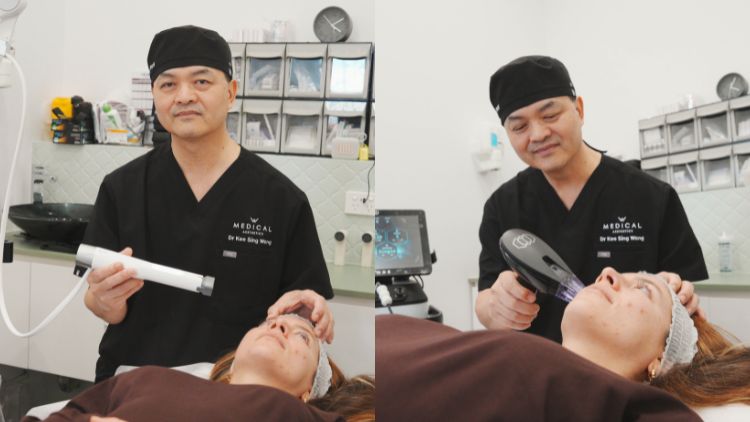
XERF vs Morpheus8 comes down to how radiofrequency energy reaches the tissue and which concern needs assessment. XERF delivers energy through the skin surface without needles. Morpheus8 uses microneedles to deliver energy within the tissue. Your skin, anatomy and recovery preferences help determine whether either option suits you.
At W Medical Aesthetics in Adelaide, Dr Wong assesses your concerns before discussing a procedure. The starting point is whether the change involves skin firmness, uneven texture, scarring or something another approach would address more appropriately.
How XERF and Morpheus8 deliver radiofrequency differently
XERF and Morpheus8 both use radiofrequency, or RF, to generate heat in tissue. Their applicators deliver that energy differently. XERF works through contact with the skin surface, while Morpheus8 combines needle penetration with RF delivery. This difference affects preparation, comfort and the care your skin needs afterwards.
XERF delivers energy without needle penetration
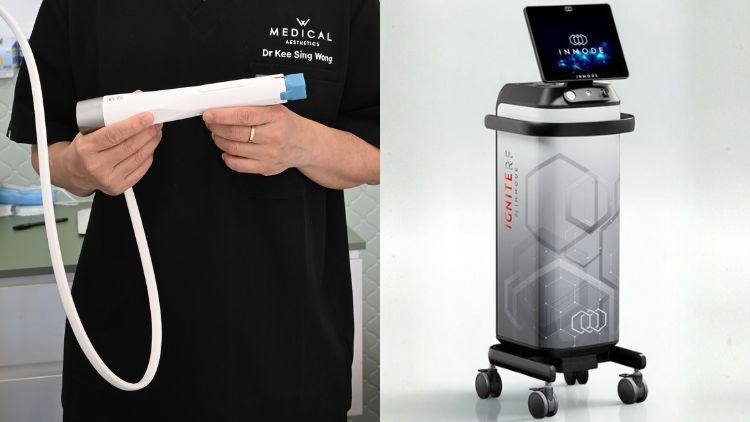
XERF is a non-invasive monopolar RF system that combines 6.78 MHz and 2 MHz frequencies. The practitioner adjusts energy delivery for the treatment area, while integrated cooling helps manage the skin surface.
Frequency alone does not determine how suitable a treatment is. Skin thickness, the area being considered and the underlying tissue still need assessment. A setting used on one part of the face should not automatically be applied elsewhere.
Morpheus8 delivers energy through microneedles
Morpheus8 is a minimally invasive fractional bipolar RF device. Fine needles enter the skin and deliver energy at selected settings. “Fractional” means the device treats separate points within the tissue rather than applying the same exposure continuously across the entire area.
The needle tip, treatment depth and energy settings influence how Morpheus8 is used. Ask how these will be selected for your skin concern and treatment area.
Why settings matter alongside the delivery method
In comparisons labelled RF vs RF microneedling, ‘RF’ usually refers to energy delivered through the skin surface. RF microneedling delivers that energy through needles, adding skin punctures that affect aftercare and recovery.
Neither device name explains everything about the procedure. The proposed settings, treatment area and practitioner’s assessment remain central to understanding the likely benefits and risks.
XERF vs Morpheus8 at a glance
The comparison below outlines differences worth discussing at consultation. It does not establish that one device produces better results for everyone. Comfort, recovery and visible change depend on the individual and the treatment plan.
| Consideration | XERF | Morpheus8 |
|---|---|---|
| Energy delivery | Monopolar RF through a surface applicator | Fractional bipolar RF through microneedles |
| Skin penetration | No needle penetration | Needles enter the skin |
| Main discussion | Skin firmness and selected laxity concerns | Texture, selected indented scars and firmness concerns |
| Treatment sensation | Heat and pressure can occur | Needle sensation, heat and discomfort can occur |
| Recovery planning | No needle entry sites, but skin reactions remain possible | Redness, swelling and pinpoint marks can affect plans |
| Important limitation | Does not remove excess skin or replace lost volume | Does not suit every scar type or facial area |
Matching the treatment to firmness, texture or scarring
Skin laxity and uneven texture are different concerns, even when they occur together. Laxity describes looseness in the skin. Texture concerns involve the surface or the appearance of scars. Separating these priorities helps explain why a treatment discussed for firmness may not address everything you notice.
When firmness is the main concern
A discussion about XERF can be relevant when the priority is skin firmness and avoiding needle penetration matters to you. The assessment still needs to establish how much of the concern comes from the skin itself.
For example, a change around the jawline can involve skin, underlying fat or facial structure. Heating the skin does not address every possible cause. If the expected change falls outside what an RF procedure can reasonably deliver, another approach or no procedure may be more appropriate.
W Medical’s explanation of XERF provides further background on the technology before an individual discussion.
When texture or indented scars are the priority
Morpheus8 may enter the discussion when concerns include uneven texture or selected indented acne scars. A scar assessment considers its shape, depth and whether bands of tissue beneath the skin pull the scar down.
A deep, narrow scar and a broad depression do not necessarily need the same approach. Flat pigment marks also differ from changes in skin texture. W Medical Aesthetics’s Morpheus8 consultation information explains the concerns that can be assessed and the procedure’s limitations.
When firmness and texture overlap
When comparing RF microneedling vs RF skin tightening for overlapping firmness and texture concerns, agree on the main goal first. This gives you and the practitioner a clear basis for assessing changes.
Discuss what improvement would be meaningful, what recovery is acceptable and how the response will be reviewed. More than one procedure is not automatically necessary.
Comfort, downtime and returning to your routine
XERF avoids needle entry sites, while Morpheus8 requires recovery from skin penetration as well as energy delivery. That distinction matters when planning work, exercise, skincare and social events. Before deciding, ask what recovery to allow for the proposed settings and which comfort measures will be used.
During XERF, heat and pressure can be noticeable despite the cooling system. During Morpheus8, needle penetration adds another source of discomfort. Sensation varies with the area, settings and individual tolerance.
After RF microneedling, redness, swelling, tenderness, pinpoint bleeding or crusting can occur. Visible marks may affect your plans even if you feel well enough to work. Ask when makeup, active skincare and exercise can resume under your specific aftercare instructions.
If you have an event or travel planned, mention the date before choosing a procedure. Allow for your skin’s recovery rather than arranging treatment around a fixed promise.
Follow the clinic’s instructions about cleansing, moisturising and sun protection. Seek advice if symptoms worsen or recovery differs from what was explained.
Risks and suitability need equal attention
Both procedures use heat to alter tissue, so avoiding needles does not remove all treatment risks. XERF and Morpheus8 require appropriate device settings and assessment of the proposed area. Skin reactions, healing history and the structures beneath the skin all influence the discussion.
For XERF, ask about heat-related injury, skin reactions and the risks relevant to your anatomy and treatment settings. Integrated cooling helps manage the skin surface but does not eliminate the risk of heat-related injury.
RF microneedling carries risks including infection, burns, scarring and pigment changes. On 15 October 2025, the US FDA issued a safety communication about serious complications reported with certain uses. These included unwanted fat loss, disfigurement and nerve damage, sometimes requiring medical or surgical intervention.
The communication concerns RF microneedling as a category. It does not provide an individual complication rate or establish that XERF is risk free.
Before either option, discuss:
- Medicines, medical conditions and implanted electronic devices.
- Previous procedures in the proposed treatment area.
- Active infection, irritation or impaired skin healing.
- Unusual scarring or pigment changes after previous procedures.
- Pregnancy, breastfeeding and any relevant device restrictions.
- Existing facial hollowness or concerns about unwanted volume change.
These details help the practitioner decide whether to proceed, adjust the plan or recommend waiting. Seek prompt medical advice for unexpected or worsening symptoms after treatment.
Results, evidence and the limits of long-term data
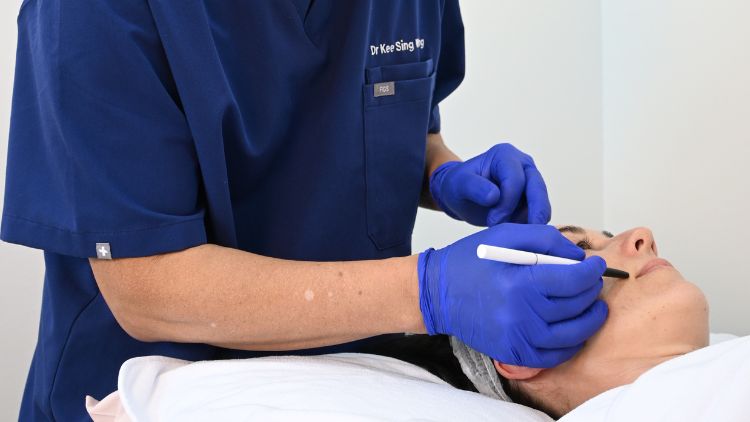
Visible changes after RF procedures develop over time and vary between people. Early swelling or temporary tightness should not be treated as the final outcome. Review should consider the original concern, the degree of change and any unwanted effects before another appointment is proposed.
A 2026 prospective study of dual-frequency non-invasive monopolar RF followed 39 participants across four clinical sites. Participants received two treatments, with assessments at 30 and 90 days. The authors reported short-term improvement, but the study did not compare the device directly with Morpheus8.
Those findings cannot establish which treatment will work better for one person or predict how long an individual result will last. The follow-up period also limits conclusions about long-term durability.
When weighing morpheus8 vs XERF, ask what evidence applies to your particular concern and the proposed device configuration. Evidence about one RF system should not automatically be transferred to another.
Ageing continues after either procedure. Before discussing further appointments, review the changes, any unwanted effects and whether the original goal has been met.
Comparing costs in Adelaide
A useful cost comparison includes the proposed area, appointment plan, comfort measures, aftercare and review. A single appointment price may not describe the full commitment. Ask for an individual written estimate after assessment, including any consultation or follow-up fees.
The total can change with the size of the treatment area and the number of appointments proposed. Confirm what happens if your skin needs more recovery time or the first procedure produces limited change.
W Medical Aesthetics can discuss fees alongside suitability and expected limitations. Compare written estimates for the same area and check what each includes before judging the overall cost.
What to discuss with Dr Wong
A consultation should connect the technology to your skin and expectations. You do not need to arrive having chosen a device. Bring your main concern, previous treatment details and any upcoming commitments so the discussion can cover whether a procedure is appropriate.
Useful questions include:
- Is the concern mainly skin laxity, texture, scarring or volume?
- What degree of change is realistic for this area?
- Which device configuration and settings would be considered?
- Who would perform the procedure, and what training do they have?
- What recovery should I allow before work or an event?
- What are the alternatives, including waiting or having no procedure?
- How would complications, follow-up and additional fees be managed?
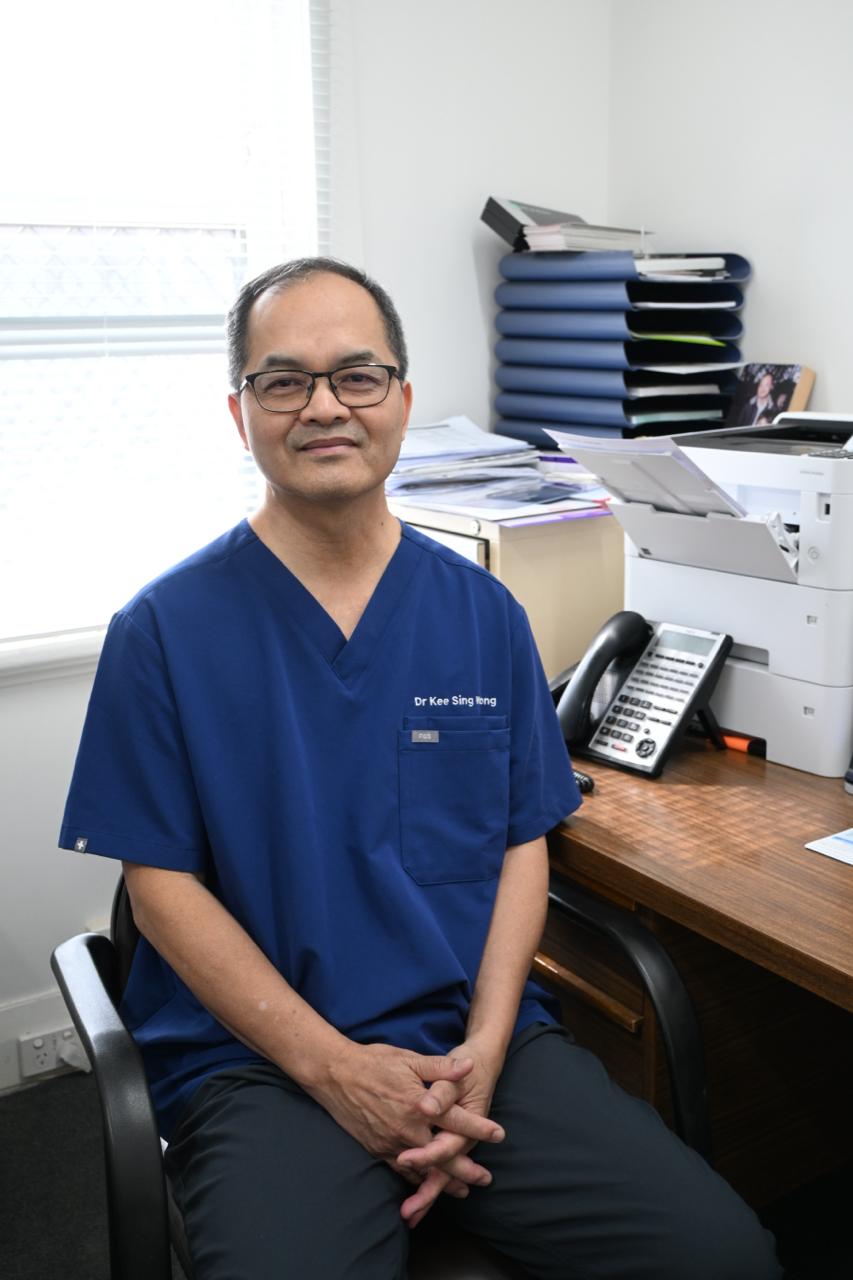
Dr Kee Sing Wong, MBBS, FRACGP, is a registered medical practitioner in General Practice. His AHPRA registration number is MED0000996242. This registration information is published on W Medical Aesthetics’ website.
Frequently asked questions
Can XERF and Morpheus8 be combined?
A clinician may consider different procedures where each has a distinct purpose. Combining them is not automatically more suitable. The reason, sequence, recovery requirements and additional risks need explanation before you agree to a plan.
Is Morpheus8 the same as standard microneedling?
No. Standard microneedling creates needle channels without delivering RF energy. Morpheus8 adds heat within the tissue, which changes both its action and its risks. Aftercare and expectations should reflect the exact procedure being proposed.
Can either procedure replace a surgical facelift?
Neither procedure removes excess skin in the way surgery does. If substantial skin excess is the main concern, discuss the limits of RF treatment and whether a surgical opinion would be relevant. Choosing no procedure is also reasonable.
Is either option suitable for every skin tone?
Neither procedure is automatically suitable for every skin tone. A history of pigmentation after inflammation or procedures is relevant, and RF treatment does not eliminate the possibility of colour changes. Ask how your skin history affects the proposed settings and recovery plan.
Choosing an option after assessment
XERF vs Morpheus8 is a decision about the concern being assessed, the method of energy delivery and the recovery you are prepared to accept. Neither device is the right choice for every person.
Book a consultation with Dr Wong at W Medical Aesthetics in Adelaide to clarify whether your concern involves skin laxity, texture, scarring or volume loss, and discuss the options, recovery and costs. If you are still gathering information, contact the clinic with a question before booking. An assessment may lead to a procedure, another approach or a decision to wait.
This page provides general information and does not replace an individual medical assessment. Responses, results and recovery differ. All procedures carry risks, which should be discussed before deciding whether to proceed.