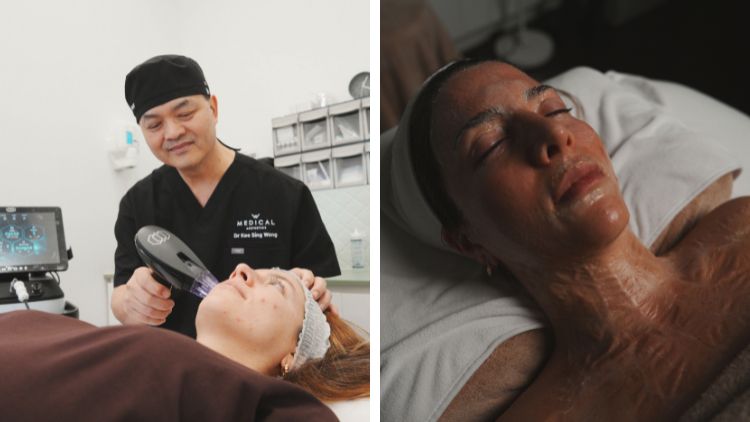
Morpheus8 and HIFU are non-surgical skin tightening treatments that use radiofrequency and ultrasound energy respectively. Morpheus8 combines microneedling with RF energy to target skin texture and firmness, while HIFU delivers focused ultrasound energy beneath the skin surface for tightening support. Both treatments may suit people looking to improve skin quality without surgery, depending on individual assessment.
What is the difference between Morpheus8 vs HIFU?
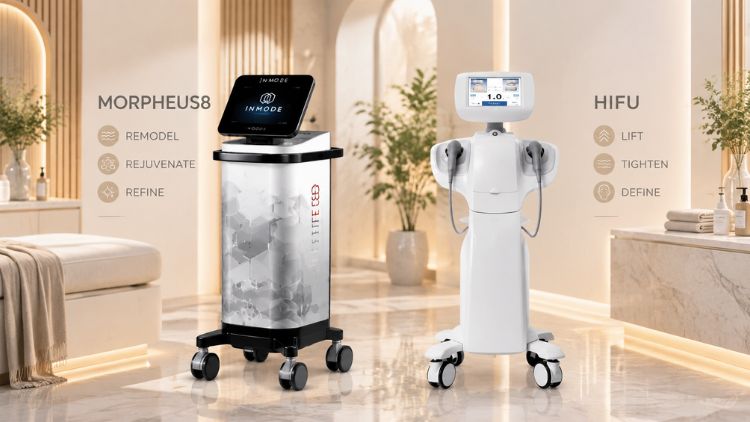
Morpheus8 and HIFU differ mainly in the type of energy they use and the layers of skin they target. Morpheus8 combines fractional radiofrequency with microneedling to address skin texture and firmness, while HIFU uses focused ultrasound energy to target deeper tissue layers associated with skin tightening.
The right choice depends on your skin concerns, treatment goals and clinical assessment. Neither treatment is suitable for every skin concern, as individual skin characteristics influence which approach may be appropriate.
|
Comparison factor |
Morpheus8 |
HIFU |
|---|---|---|
|
Technology |
RF microneedling |
Focused ultrasound |
|
Energy type |
Radiofrequency |
Ultrasound waves |
|
Primary target |
Skin texture and firmness |
Deeper tissue support |
|
Treatment depth |
Adjustable needle depth |
Up to approximately 4.5mm |
|
Main focus |
Collagen remodelling |
Skin tightening support |
|
Downtime |
Usually mild redness |
Minimal downtime |
Both treatments work by creating controlled energy delivery within the skin. This process encourages natural repair responses while supporting gradual improvements in firmness and texture.
At W Medical Aesthetics, treatment selection begins with understanding your skin condition, concerns and desired outcome. Dr Wong assesses whether Morpheus8, HIFU or another approach is appropriate during your consultation.
How do Morpheus8 and HIFU treatments work?
Morpheus8 and HIFU work differently because they use different energy technologies and target different layers of the skin. Morpheus8 combines RF microneedling with controlled energy delivery, while HIFU uses focused ultrasound without needles.
How does Morpheus8 work?
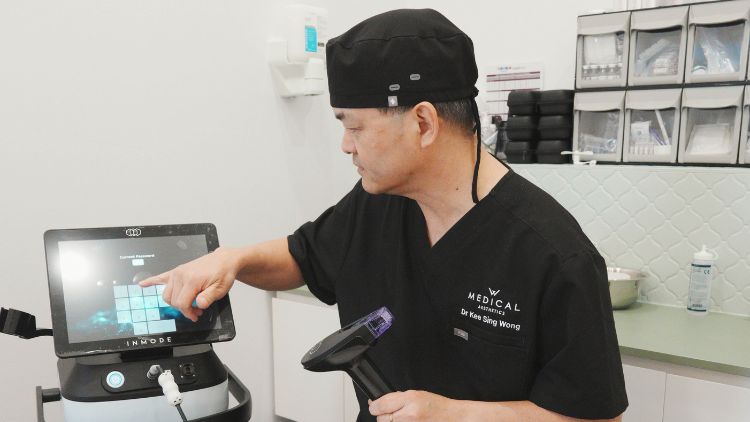
Morpheus8 combines microneedling with radiofrequency energy. Fine needles create controlled microchannels while RF energy is delivered into the deeper layers of the skin.
This combination allows targeted heating beneath the surface while supporting collagen remodelling. When comparing RF microneedling vs HIFU, the key difference is that Morpheus8 uses needles to deliver radiofrequency energy, while HIFU delivers ultrasound energy beneath the skin.
Key characteristics of Morpheus8 include:
- Combines microneedling and RF energy
- Uses controlled thermal stimulation
- Targets multiple skin layers
- Supports collagen remodelling
- Addresses firmness and texture concerns
The adjustable nature of Morpheus8 allows treatment settings to be personalised based on skin thickness, treatment area and clinical goals.
How does HIFU work?
HIFU, or High Intensity Focused Ultrasound, delivers ultrasound energy beneath the skin without using needles. The energy creates controlled thermal points at targeted depths, including deeper layers associated with skin support.
HIFU is often considered when the main concern is mild to moderate skin laxity and a desire for non-surgical tightening support.
Key characteristics of HIFU include:
- Uses focused ultrasound energy
- Targets deeper tissue layers
- Does not require needles
- Supports gradual collagen response
- Requires minimal downtime
The treatment approach varies depending on the device used, treatment area and individual anatomy. A consultation helps determine whether HIFU is suitable for your skin.
Morpheus8 and HIFU results: What differences should you expect?
These two technologies support skin tightening through different mechanisms, so the outcomes they aim to achieve are not identical. Morpheus8 focuses more on improving skin quality, texture and firmness, while HIFU focuses on deeper tissue support.
Morpheus8 may be considered when concerns involve:
- Uneven skin texture
- Reduced skin firmness
- Enlarged pores
- Mild skin laxity
- Areas requiring collagen stimulation
HIFU may be considered when concerns involve:
- Mild facial laxity
- Reduced definition around the jawline
- Skin that feels less firm
- Desire for a non-invasive tightening approach
Expected timeframe of results
Both treatments are designed to create gradual changes rather than immediate transformation.
Morpheus8 results typically develop as the skin responds to collagen remodelling after treatment. Changes may continue to improve over several weeks.
HIFU results also develop gradually as the body’s natural repair processes respond to focused ultrasound energy. The timeframe varies depending on treatment area and individual response.
Results can differ between individuals due to factors including:
- Age and skin condition
- Treatment area
- Lifestyle factors
- Existing collagen levels
- Treatment settings selected by the practitioner
W Medical Aesthetics focuses on creating treatment plans based on your individual assessment rather than applying the same approach for every patient.
Recovery and downtime differences between these treatments
Morpheus8 and HIFU have different recovery experiences because they deliver energy through different methods. Morpheus8 involves microneedling and RF energy, so temporary redness or sensitivity may occur. HIFU does not use needles and generally involves minimal disruption to daily activities.
The level of downtime depends on treatment intensity, skin sensitivity and the area being treated. A personalised assessment helps determine the most suitable approach for your skin.
Recovery after Morpheus8
Morpheus8 creates controlled micro-injuries combined with radiofrequency heating. These effects are part of the treatment process and may lead to short-term skin responses.
Common temporary effects may include:
- Mild redness after treatment
- Slight swelling or sensitivity
- Temporary skin warmth
- Small marks from microneedling
These responses usually settle as the skin recovers. Your practitioner will provide aftercare guidance based on your treatment settings and skin condition.
Recovery after HIFU
HIFU does not involve needles or surface injury. Most people can return to normal activities shortly after treatment.
Possible temporary sensations may include:
- Mild tenderness in treated areas
- Temporary sensitivity
- Slight swelling
- A tightening sensation
The experience varies between individuals and depends on the treatment area and energy settings used.
Which skin concerns may suit each treatment approach?
Morpheus8 and HIFU can both support skin firmness, but they approach skin concerns differently. Morpheus8 is often selected when improving skin texture is an important goal, while HIFU may be considered when deeper tightening support is the main focus.
A suitable treatment depends on factors such as your skin quality, degree of laxity, treatment area and overall expectations.
Morpheus8 may be considered for skin quality concerns
Morpheus8 may suit people looking to address concerns related to:
- Uneven skin texture
- Reduced firmness
- Enlarged pores
- Mild acne scarring appearance
- Skin that appears less smooth
The combination of microneedling and RF energy allows treatment to target both surface texture and deeper skin layers.
HIFU may be considered for skin tightening concerns
HIFU may suit people who are mainly concerned about:
- Mild facial laxity
- Loss of definition around the lower face
- Reduced firmness along the jawline
- Non-surgical tightening support
Because HIFU delivers focused ultrasound energy below the skin surface, it is commonly discussed as an option for deeper tissue support.
Factors to consider when choosing a skin tightening treatment
Choosing between Morpheus8 and HIFU involves more than comparing technology names. The most suitable option depends on your skin assessment, treatment goals and the areas you want to address.
During a consultation with Dr Wong, your skin condition, treatment goals and suitability can be assessed before discussing whether Morpheus8, HIFU or another approach may be appropriate.
Important considerations include:
- Your primary skin concern
- Degree of skin laxity
- Skin thickness and condition
- Treatment area
- Previous aesthetic treatments
- Desired level of downtime
What factors influence treatment cost?
The cost of Morpheus8 and HIFU varies depending on several factors, including treatment area, settings selected, number of appointments required and personalised treatment planning. A consultation allows Dr Wong to assess your skin and discuss which approach may be suitable for your goals.
Treatment area
Different areas may respond differently depending on skin structure and thickness.
For example:
- Facial areas with texture concerns may benefit from approaches targeting skin quality.
- Areas with mild laxity may require techniques focused on deeper tissue support.
- Delicate areas may require carefully adjusted treatment settings.
Treatment goals
Your goal influences which technology may be more suitable.
Morpheus8 is generally discussed when the focus includes:
- Supporting smoother skin texture
- Improving firmness
- Encouraging collagen remodelling
HIFU is generally discussed when the focus includes:
- Supporting facial tightening
- Improving the appearance of mild laxity
- Maintaining a non-surgical approach
No single treatment is suitable for every person. W Medical Aesthetics takes a personalised approach to help determine which option aligns with your skin needs.
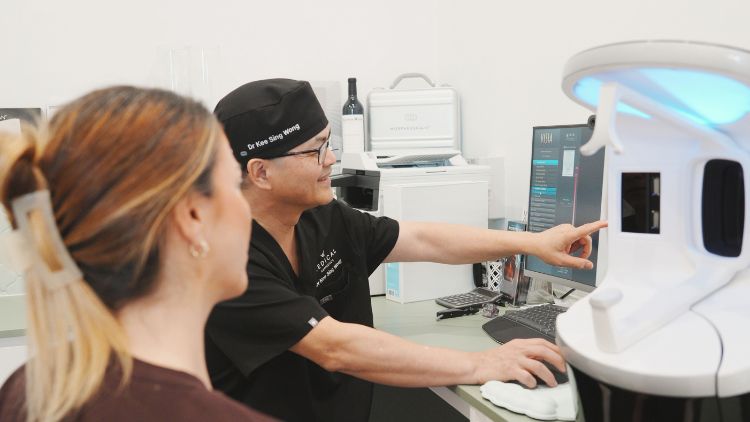
Can Morpheus8 and HIFU be combined?
Morpheus8 and HIFU use different energy technologies, so some treatment plans may involve combining approaches depending on individual assessment. The decision depends on your skin condition, treatment goals and clinical suitability.
A combined approach is not automatically required. Dr Wong will assess whether one treatment or a tailored combination is appropriate for your concerns.
Potential considerations for combining treatments include:
- Different treatment depths
- Separate treatment objectives
- Individual recovery preferences
- Overall skin condition
A consultation allows the treatment plan to be designed around your skin rather than following a fixed combination protocol.
FAQ about Morpheus8 vs HIFU
How do Morpheus8 and HIFU differ for skin tightening?
Morpheus8 and HIFU support skin firmness through different technologies, so one is not universally better than the other. Morpheus8 combines microneedling with RF energy, while HIFU uses focused ultrasound. The suitable option depends on your skin concerns, treatment area and clinical assessment.
What is the main difference between Morpheus8 and HIFU?
The main difference between Morpheus8 and HIFU is the energy technology used. Morpheus8 uses radiofrequency combined with microneedling to support skin texture and firmness. HIFU uses ultrasound energy delivered beneath the skin to support tightening in deeper tissue layers.
How much do Morpheus8 and HIFU treatments cost?
The cost of Morpheus8 and HIFU varies depending on treatment area, device settings, number of appointments and individual treatment planning. During consultation, Dr Wong can discuss the factors that influence your recommended treatment approach.
Does Morpheus8 or HIFU have downtime?
Morpheus8 and HIFU have different downtime profiles. Morpheus8 may involve temporary redness, sensitivity or swelling due to microneedling and RF delivery. HIFU does not involve needles and typically has minimal downtime, although temporary tenderness may occur.
How do I choose between Morpheus8 and HIFU in Adelaide?
Choosing between Morpheus8 and HIFU in Adelaide starts with a consultation and skin assessment. Dr Wong at W Medical Aesthetics reviews your skin condition, concerns and treatment goals before discussing which approach may suit your needs.
Choosing between Morpheus8 and HIFU at W Medical Aesthetics
Morpheus8 and HIFU offer different approaches to supporting skin firmness and quality. Morpheus8 combines microneedling with radiofrequency energy, while HIFU uses focused ultrasound technology. Understanding these differences through a skin tightening treatment comparison can help you have a more informed discussion with Dr Wong during consultation.
At W Medical Aesthetics, Dr Wong provides personalised treatment recommendations based on your skin assessment and aesthetic goals. Book an appointment with Dr Wong at W Medical Aesthetics to discuss your skin goals and explore whether Morpheus8, HIFU or another treatment approach may be suitable for you.
Risks to discuss before RF microneedling
RF microneedling can cause burns, scarring, unwanted fat loss and nerve damage. Discuss these risks, pigment changes, infection and recovery with your practitioner before proceeding. FDA safety information on RF microneedling.
Practitioner and information scope
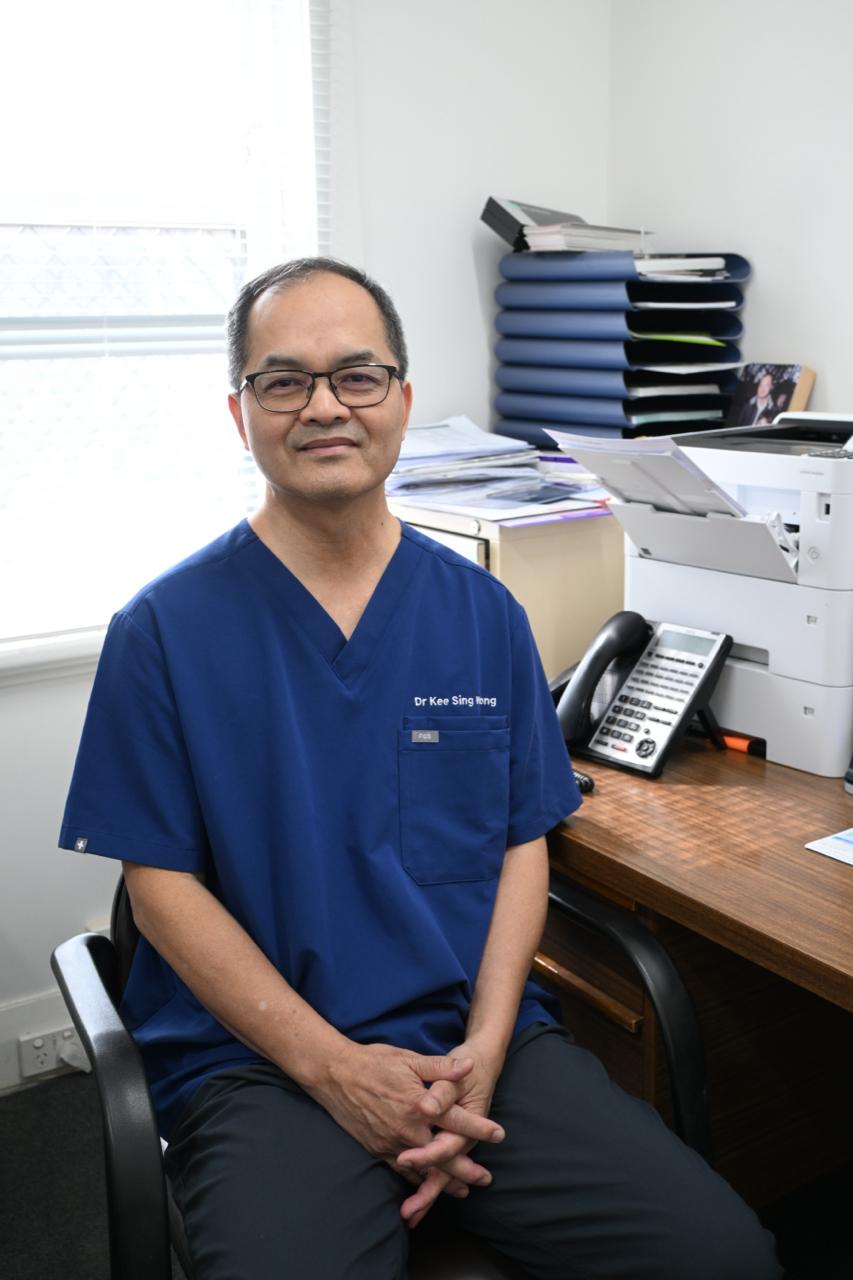
Dr Kee Sing Wong (Ahpra MED0000996242) is a registered medical practitioner with general registration and specialist registration in general practice. Registration status: Registered, as stated in the clinic’s professional profile. His FACCSM (Med) fellowship is not specialist registration in plastic surgery.
This article provides general information, not individual medical advice or a recommendation to undergo treatment. Suitability, outcomes, recovery and maintenance vary. Discuss procedure-specific risks, alternatives and the option not to proceed with the treating practitioner.