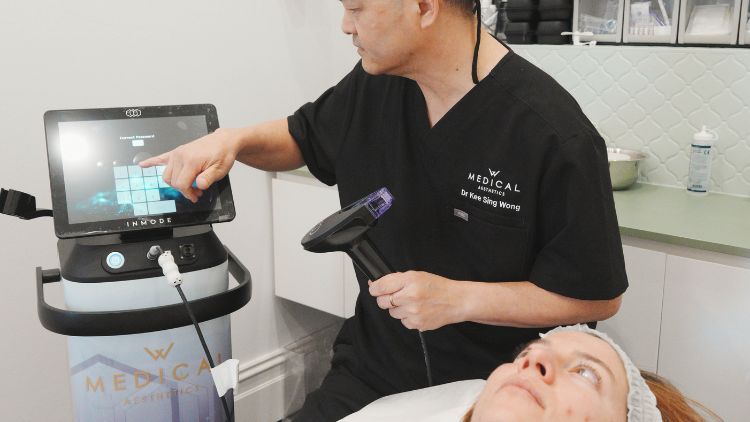
How to remove acne scars depends on the type and structure of the scar rather than on a single treatment. Ice pick, boxcar, rolling and raised scars may require different clinical approaches, while some flat post-acne marks may improve gradually with suitable skincare. Treatment can make scars less noticeable, but complete removal is not always possible. Planning should also consider active acne, skin tone and healing history.
How to Remove Acne Scars: 5 Steps to Choosing Suitable Care
Reducing acne scars starts with controlling active breakouts and identifying what has changed in the skin. Flat post-acne marks, indented scars and raised scars require different approaches. A suitable plan may combine consistent home skincare with clinical treatment selected for the dominant scar type.
1. Control active acne first
Treat ongoing acne before focusing on existing scars. New inflammatory breakouts can create further marks and scarring, while active infection or irritation may make some procedures unsuitable.
Avoid picking, squeezing or repeatedly touching acne. A medical practitioner can assess persistent or painful breakouts and discuss whether acne management is appropriate before scar treatment begins.
2. Check whether you have a mark or structural scar
Look at both the colour and surface of the affected skin. A flat red, pink, brown or grey area may be consistent with a post-acne mark. An indentation or raised area may indicate structural scarring, although a clinical assessment may be needed when the pattern is unclear.
This difference guides treatment selection. Skincare may gradually support uneven colour, but it cannot reliably lift deep depressions or flatten raised scar tissue.
3. Determine the predominant scar type
Indented scars may be ice pick, boxcar or rolling, while hypertrophic and keloid scars are raised. A doctor can confirm the dominant pattern when several scar types appear together.
4. Begin suitable home care
Use gentle skincare that supports acne control, the skin barrier and post-acne pigmentation. Broad-spectrum sunscreen, selected retinoids, azelaic acid or exfoliating acids may be appropriate, depending on skin tolerance and medical advice.
Use one active ingredient before adding another. Avoid harsh scrubs, lemon juice, home TCA treatments and aggressive dermarolling, as irritation can make redness or pigmentation more noticeable.
5. Consider scar-specific clinical treatment
Clinical treatment should address the structure causing the scar. Microneedling or laser may support selected textural concerns, TCA CROSS may suit some narrow scars, and subcision may release tethered rolling scars.
Depending on the scar structure, dermal fillers may provide temporary support beneath selected depressions. Raised scars require a different assessment and may be managed with options such as injections, silicone products, cryotherapy or selected laser treatments. Suitability and expected outcomes vary between individuals. A doctor can assess scar depth, skin tone and healing history before recommending a measured treatment plan.
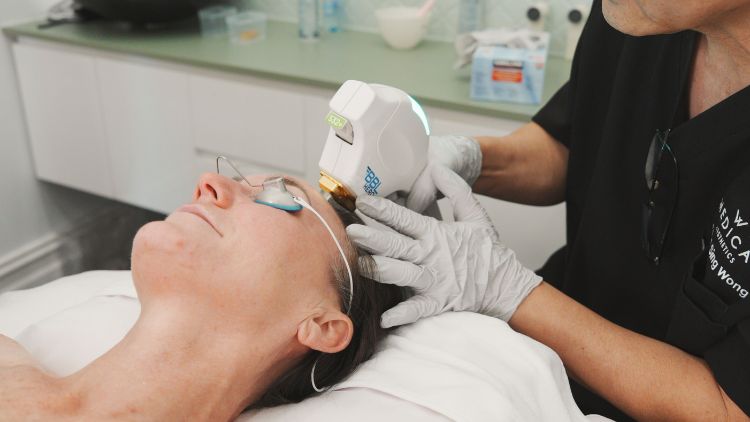
Can acne scars be eliminated entirely?
Acne scars may become less noticeable, but complete removal is not always possible. Flat areas of post-inflammatory colour can gradually fade. Indented and raised scars involve structural changes within the skin. Treatment therefore focuses on improving depth, texture, colour and overall visibility rather than promising scar-free skin.
The final outcome varies based on individual factors. These include the type and depth of scarring, where it appears, how long it has been present and how the skin heals. Active acne, skin tone and previous treatment also influence the plan.
A shallow boxcar scar may respond differently from a narrow ice pick scar. Rolling scars may remain visible when fibrous bands continue to pull the skin down. Raised scars require an entirely different approach because they result from excess scar tissue rather than tissue loss.
Treatment also has practical limits. One procedure may improve a particular component of the scar without addressing every surrounding change. For example, resurfacing can support texture, but it may not release a deeply tethered rolling scar. A staged approach can therefore be more appropriate when several scar types appear together.
Identify your acne scar type before choosing treatment
A flat red, pink, brown or grey area may represent a post-acne mark rather than structural scarring. Structural acne scars commonly present as indentations, uneven texture or raised tissue, but the distinction is not always clear from appearance alone. This distinction determines whether skincare can play a meaningful role or whether a targeted procedure is more suitable.
Acne marks versus acne scars
Post-inflammatory hyperpigmentation, or PIH, commonly appears as a flat brown, grey or darker area after inflammation settles. Red or pink marks can also remain after a breakout, particularly in lighter skin tones.
Ice pick scars
Ice pick scars are narrow openings that extend more deeply into the skin. They often resemble small punctures and may become more visible under angled lighting.
Boxcar scars
Boxcar scars are circular or oval indentations with clearly defined borders. Some are shallow, while others extend more deeply into the dermis.
Rolling scars
Rolling scars create a soft, uneven or wave-like surface. Fibrous strands beneath the skin can tether the scar and pull the surface down.
Raised acne scars
Hypertrophic and keloid scars rise above the surrounding surface. A hypertrophic scar generally remains within the original area of injury. A keloid can extend beyond that boundary and continue growing over time.
|
Scar or mark type |
Typical appearance |
General treatment direction |
|---|---|---|
|
Post-acne mark |
Flat red, brown or grey area |
Skin care and uneven tone management |
|
Ice pick scar |
Narrow and deep depression |
Focal scar treatment |
|
Boxcar scar |
Round or oval indentation |
Resurfacing or focal correction |
|
Rolling scar |
Wavy or tethered texture |
Scar release and remodelling |
|
Raised scar |
Firm, elevated tissue |
Specialist scar-flattening treatment |
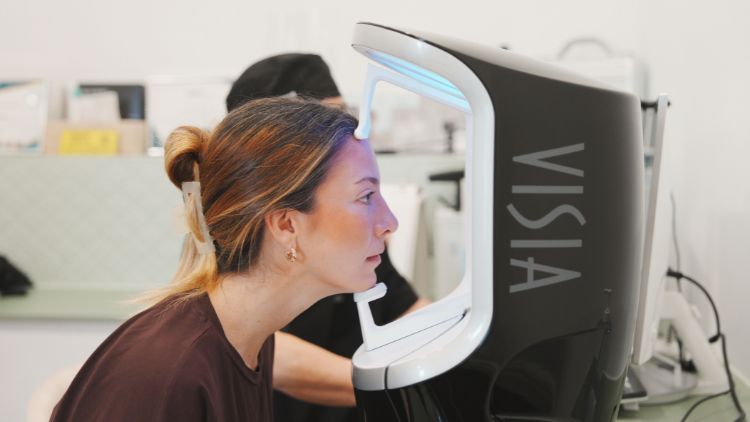
Which treatments may be considered for different acne scar types?
No single procedure is appropriate for every acne scar. Narrow deep scars, broad depressions, tethered scars and raised tissue involve different structural changes. Treatment selection should consider the predominant scar pattern, skin tone, active acne, healing history and the amount of recovery that is acceptable to the individual.
|
Scar type |
Treatments commonly considered |
Important limitation |
|---|---|---|
|
Ice pick scars |
TCA CROSS or punch techniques |
Topical approaches may provide limited results. |
|
Shallow boxcar scars |
Microneedling, laser or selected peels |
Response depends on depth |
|
Deep boxcar scars |
Punch techniques, filler or resurfacing |
Several stages may be needed |
|
Rolling scars |
Subcision, filler or collagen remodelling |
Tethering should be addressed |
|
Raised scars |
Injections, silicone, cryotherapy or laser |
Recurrence can occur |
|
Post-acne marks |
Sunscreen use and pigment management skincare |
Marks are not structural scars |
Scar depth cannot always be judged from a front-facing photograph. Angled lighting and gentle movement of the surrounding skin can reveal tethering or scar edges that appear less obvious under flat lighting.
A practical treatment plan may also separate procedures. For example, a clinician may first release rolling scars and allow bruising to settle. Resurfacing or collagen-remodelling treatment can then address the broader texture.
Mixed scarring is common, so the plan may include more than one technique. That does not mean using every available procedure. Each step should have a defined purpose and enough healing time before the result is reviewed.
During a consultation, Dr Wong can assess whether the main concern involves pigmentation, scar depth, tethering or raised tissue before discussing potentially suitable options, their limitations and associated recovery. The consultation also provides an opportunity to consider active acne and the amount of recovery that suits your routine.
How to fade acne marks and support mild scarring at home
Home skincare can support post-acne marks, ongoing acne and mild uneven texture. It cannot reliably raise deep ice pick scars, release tethered rolling scars or flatten every raised scar. Structural concerns generally need a clinical assessment before an appropriate treatment can be selected.
Wear broad-spectrum SPF protection daily
Sun exposure can make post-inflammatory pigmentation more visible and prolong uneven colour. Sunscreen also supports the skin while active ingredients are being used.
The American Academy of Dermatology recommends broad-spectrum, water-resistant sunscreen with SPF 30 or higher when managing dark spots. Sunscreen helps prevent further darkening, but it does not rebuild tissue lost through atrophic scarring.
Choose a formula that suits the skin and can be used consistently. A product that causes repeated irritation may contribute to further inflammation or pigmentation.
Introduce retinoids or retinol slowly
Retinoids support acne management by helping prevent blocked follicles. Some forms can also assist with post-acne colour and gradual surface renewal.
Over-the-counter retinol is not equivalent to prescription tretinoin or other prescription retinoids. Strength, formulation and tolerability vary. Begin slowly and avoid combining several irritating products at the same time.
Retinoids can support marks and mild textural irregularity. They do not cut fibrous bands, elevate deep pits or flatten keloids. The American Academy of Dermatology includes retinoids among ingredients that can help fade dark spots, while the NHS lists topical retinoids among prescription acne treatments.
Consider azelaic acid or exfoliating acids
Azelaic acid can support acne-prone skin and uneven pigmentation. Glycolic and lactic acids remove surface cells and may help the skin appear smoother over time.
Mayo Clinic lists azelaic acid and hydroxy acids among home skincare options that may make some acne-related marks or scars less noticeable. However, a cosmetic acid product does not have the same depth or purpose as a professional chemical peel.
Introduce each active product separately. Excessive exfoliation can disrupt the skin barrier, increase redness and make post-inflammatory pigmentation more difficult to manage.
Avoid aggressive home remedies
Lemon juice, baking soda and harsh physical scrubs can irritate the skin without correcting structural scars. Picking, squeezing or repeatedly touching acne also increases the likelihood of prolonged inflammation and scarring.
Avoid performing TCA CROSS, filler injections or subcision at home. These procedures require controlled technique, suitable patient selection and an understanding of complications. Aggressive home dermarolling should also be avoided, particularly when inflammatory acne or infection is present.
|
Home option |
May support |
Cannot reliably treat |
|---|---|---|
|
Sunscreen |
Post-acne pigmentation |
Deep indented scars |
|
Retinoid or retinol |
Acne and dark marks |
Tethered rolling scars |
|
Azelaic acid |
Acne and uneven colour |
Ice pick scars |
|
Glycolic or lactic acid |
Mild surface texture |
Deep structural change |
|
Gentle moisturiser |
Skin barrier function |
Scar depth |
Medical treatments for acne scar improvement
Clinical acne scar treatments use different approaches. Depending on the procedure, treatment may support collagen remodelling, resurface selected skin layers, release tethered tissue or provide support beneath selected depressions. Treatment should therefore match the structure of the scar rather than relying on whichever procedure is currently most familiar or widely promoted.
Microneedling
Microneedling for acne scars uses fine needles to create controlled punctures in the skin. Medical treatment allows a clinician to assess the skin and control depth. It does not release every tethered scar, so subcision or another focal procedure may need to come first.
Laser resurfacing
Laser resurfacing uses controlled energy to treat selected skin layers and may support collagen remodelling. It may be considered for some broader textural irregularities or boxcar scars, depending on scar depth, skin tone and the type of laser used. Ablative and non-ablative lasers differ in recovery and risk. Laser does not directly release tethered rolling scars or fully treat every deep ice pick scar.
Chemical peels
Chemical peels use controlled solutions to remodel selected skin layers. Superficial peels may support pigmentation and mild surface texture, while deeper peels involve more recovery and risk. Suitability depends on peel depth, skin tone, active acne and healing history. Poor aftercare can increase irritation or post-inflammatory pigmentation.
TCA CROSS
TCA CROSS applies trichloroacetic acid directly within selected atrophic scars to trigger a controlled healing response. It is often considered for narrow or deeper scars, including some ice pick scars. Results develop gradually. Incorrect application can cause burns, pigmentation or further scarring, so it should not be attempted at home.
Subcision
Subcision releases depressed scars tethered to deeper tissue by dividing fibrous strands beneath the skin. It is often considered for rolling scars and other depressions with clear tethering. Temporary bruising, swelling and tenderness can follow. Microneedling, laser or filler may later address remaining texture or volume loss.
Dermal fillers
Dermal fillers add support beneath selected depressed scars and may suit broader indentations or scars that remain after release. Results depend on scar structure, filler type and technique. Some fillers are temporary and require maintenance. They are not suitable for every ice pick scar or raised scar.
Treatments for raised scars
Raised acne scars may require treatment aimed at managing excess scar tissue, particularly when they are growing, painful, itchy or otherwise symptomatic. Options may include corticosteroid injections, silicone products, cryotherapy, laser or surgery in selected cases. Keloids can recur, so more than one approach may be considered.
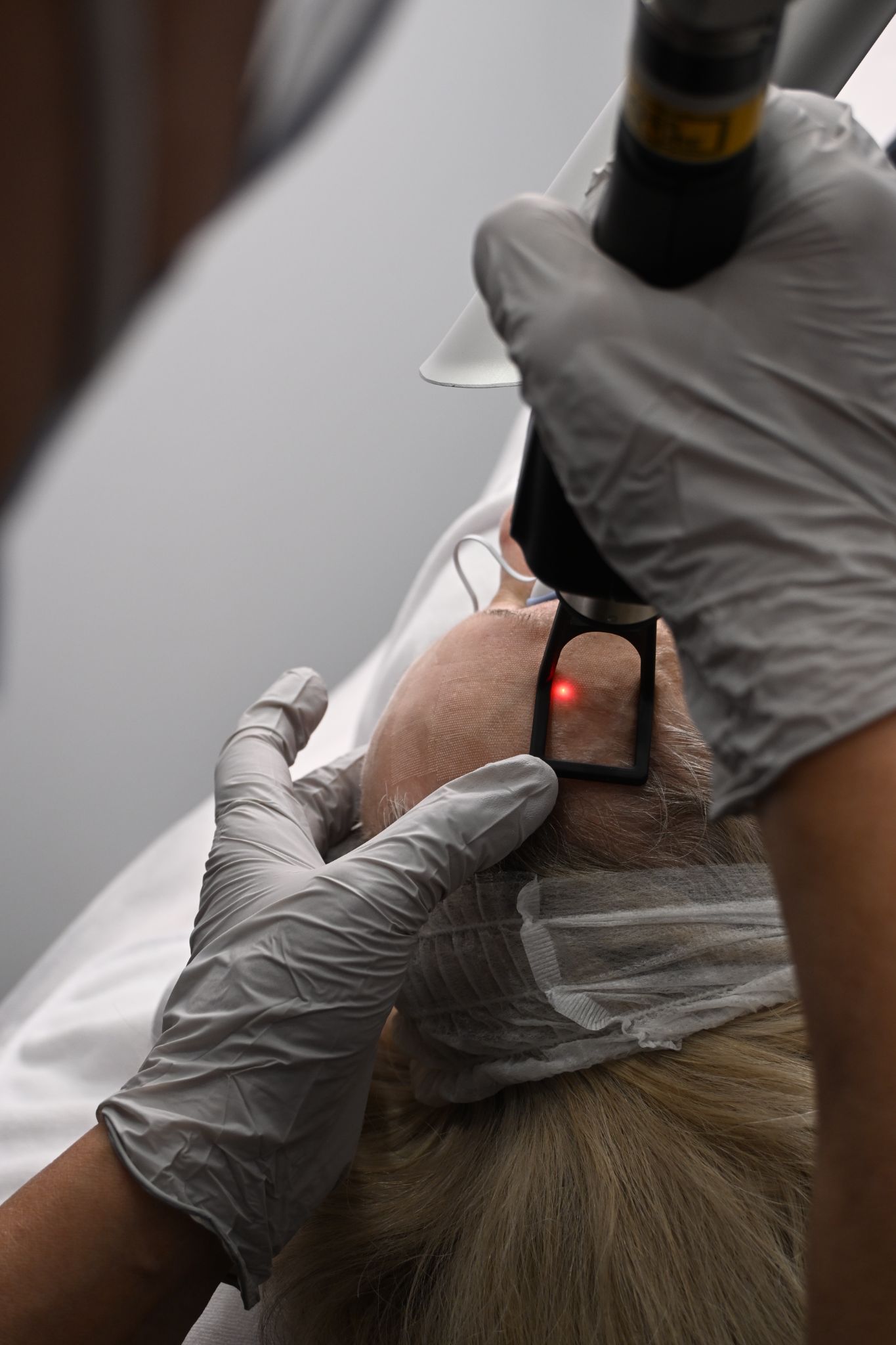
When can you expect improvement in acne scars?
Flat post-acne marks may fade gradually, while structural acne scars usually remain without targeted treatment. Results from collagen-remodelling procedures also develop progressively. Timing depends on the scar type, procedure, treatment intensity, number of appointments, healing response and whether new acne continues to form.
Temporary redness, swelling or bruising is part of the early recovery process for several procedures. It should not be considered the final outcome. Similarly, improvement cannot always be assessed as soon as the visible surface has healed.
Changes following microneedling, laser or TCA CROSS may continue to develop after early redness has settled. The expected timeline varies according to the procedure, treatment intensity and individual healing response. DermNet notes that TCA CROSS outcomes are assessed across a period of months rather than days.
Fillers work differently because they add physical support beneath selected depressions. Some improvement may be visible earlier, but the duration depends on the filler and the treated scar.
Post-inflammatory pigmentation can take longer to settle. The AAD reports that a dark spot only a few shades deeper than the natural skin tone may take 6 to 12 months to fade. Deeper colour can remain for longer.
Consistent photographs provide a more useful comparison than daily mirror checking. Images should use the same lighting, camera distance, facial position and skin preparation.
When should you see a doctor about acne scars?
Consider a medical consultation when scars are deep, raised, mixed or continuing to form. Professional assessment is useful when skincare has not improved flat marks or active acne remains uncontrolled. It is also appropriate before laser, subcision, TCA CROSS, microneedling or fillers.
A medical consultation may be appropriate if:
- The scar type remains unclear.
- Several scar patterns appear together.
- Acne continues to leave new scars.
- A raised scar is growing or uncomfortable.
- Dark marks develop easily after irritation.
- Previous procedures produced limited improvement.
- There is a personal history of keloids.
Bring a list of current skincare, prescription medicines and previous treatments. Tell the doctor about past pigmentation, prolonged healing or raised scars. These details can materially change which treatments are appropriate.
W Medical Aesthetics uses a doctor-led approach to treatment planning. Dr Wong assesses the skin, active acne, scar pattern and healing history before discussing what a treatment is designed to improve, as well as its limitations, risks and expected recovery.
Frequently asked questions about removing acne scars
Will acne scars improve without treatment?
Flat post-acne marks can fade naturally because they do not change the skin’s structure. Indented and raised scars may become less noticeable over time, but they rarely disappear completely without treatment. The AAD notes that temporary discolouration can settle while the underlying depression or raised tissue remains.
Is there a single fast treatment for acne scars?
There is no single fastest treatment for every acne scar. A more appropriate approach starts by identifying whether the main concern is pigmentation, an ice pick scar, a boxcar scar, a tethered rolling scar or raised scar tissue. Choosing treatment by structure avoids spending time on skincare or procedures that cannot address the main cause.
Who should perform professional acne scar treatments?
Professional acne scar procedures should be performed by a suitably qualified medical practitioner with experience in scar assessment and the proposed treatment. The clinician should review active acne, skin tone, healing history and keloid risk before recommending laser, microneedling, TCA CROSS, subcision or fillers.
Which works better for acne scars: Microneedling or laser?
Neither option is considered superior in all cases. Microneedling uses controlled needle punctures and may support collagen remodelling, while laser treatments use light energy to treat or resurface selected skin layers. Suitability depends on scar depth, tethering, skin tone, downtime and treatment history. Some scars may require subcision or another focal treatment before either option is considered.
Is it possible to reduce acne scars with home care?
Home skincare can help prevent new breakouts, fade post-acne pigmentation and support mild surface texture. It cannot reliably correct deep ice pick scars, tethered rolling scars or keloids. Avoid home TCA, filler injections and aggressive dermarolling because poor technique can cause burns, infection, pigmentation or additional scarring.
How to find the right treatment for acne scars
Choosing how to remove acne scars starts with identifying whether the concern is flat pigmentation, an indented scar or raised tissue. Home skincare can support colour and mild texture, while deeper or tethered scars generally need treatment selected for their structure.
Treatment aims to make scars less noticeable rather than remove every change in skin texture. A considered plan also accounts for active acne, skin tone, healing history and the recovery time that suits your routine.
At W Medical Aesthetics in Adelaide, Dr Wong can assess the scar pattern and explain the intended purpose, limitations, risks, recovery and alternatives associated with potentially suitable options. A consultation can be considered if you would like a medical assessment. Treatment is recommended only when it is considered clinically appropriate.