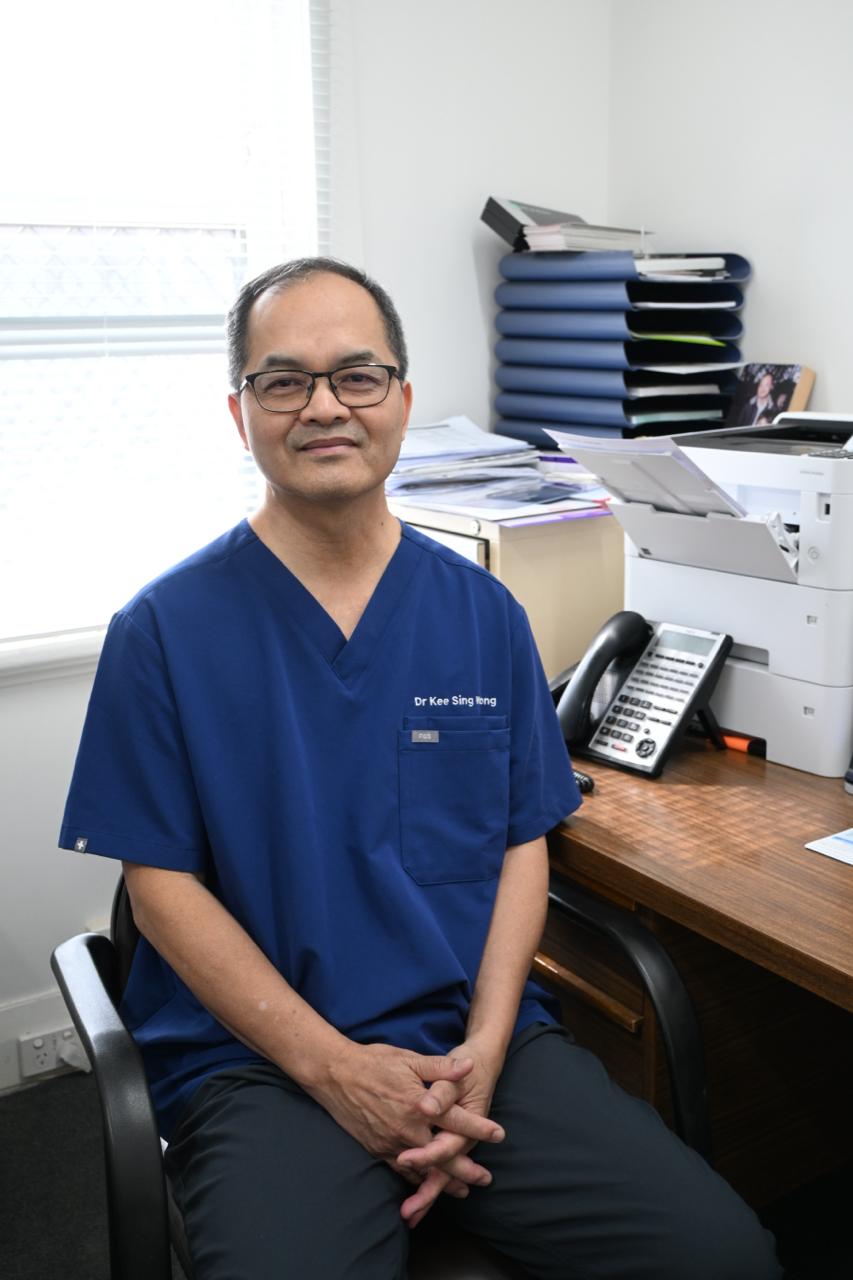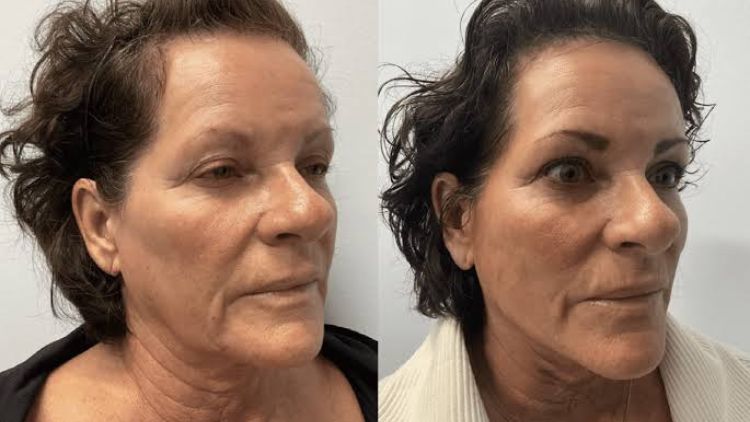
Thread lift before and after photos can show changes in cheek position or the jawline outline. Swelling, camera angles and lighting can also affect the apparent difference. Check the thread type, follow-up date and any other procedures before comparing results. At W Medical Aesthetics in Adelaide, Dr Wong assesses whether the change you want is realistic for your anatomy.
What changes a thread lift can realistically make
A thread lift uses sutures placed beneath the skin to support or reposition selected facial tissues. The degree of change depends on the technique and the person being assessed. It does not remove excess skin or reproduce the more extensive tissue repositioning of a surgical facelift.
With lifting threads, a visible change may include a slightly higher cheek position or a more defined lower-face outline. The degree of lift is generally more limited than with surgery. The change achievable depends on the tissue being supported and the technique used.
When comparing pdo threads before and after photos, first check which type of thread was used. PDO stands for polydioxanone, an absorbable material. The material name alone does not explain whether the threads were intended for lifting or a different tissue response.
Lifting threads and smooth threads have different purposes
Barbed or cogged threads engage tissue to provide mechanical support. Smooth mono threads do not have the same barbed structure. They are generally used to stimulate a tissue response around the threads, including collagen formation, rather than mechanically reposition tissue.
Clinical literature includes different thread materials, designs and techniques. Those differences make direct comparisons difficult, particularly when photographs provide little information about the procedure.
Facial structure affects the visible difference
Skin thickness, tissue weight and the degree of laxity influence what is achievable. Substantial loose skin needs a different assessment from a small change in cheek or jawline position.
Dr Wong assesses the concern itself before discussing an option. If threads are unlikely to produce a worthwhile change, the discussion can include another approach, a surgical opinion or leaving the area untreated.
How to compare photographs meaningfully
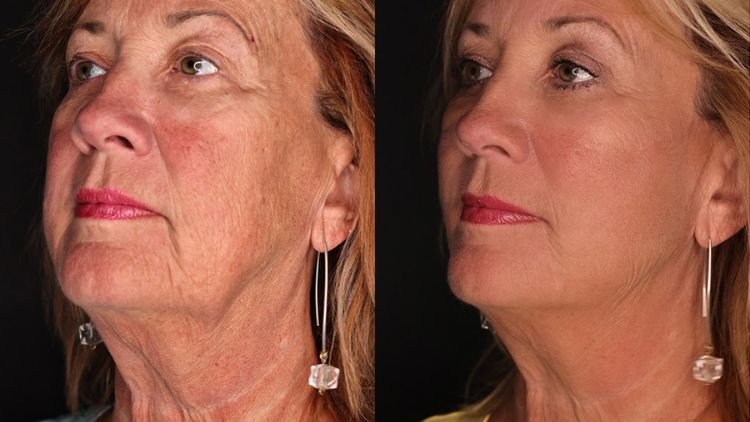
Thread lift before and after photographs are most useful when both images show the same area under comparable conditions. Check the camera angle, lighting, facial expression and follow-up date. Also establish whether threads were the only procedure performed. A visible difference does not, by itself, show what caused it.
When viewing a gallery labelled “thread lift before after”, check whether the head position is consistent between images. A raised chin, turned head or different shadow can change how the jawline appears.
Use these checks before drawing conclusions:
- Compare matching front, angled and side views.
- Check that the head position and expression are similar.
- Look for consistent lighting and camera distance.
- Confirm the time between the procedure and photograph.
- Ask whether other procedures contributed to the change.
- Check whether the images have been filtered or retouched.
Photographs also leave questions unanswered. They do not show tenderness, pulling sensations, difficulty with facial movement or the experience of recovery. Those points belong in the discussion alongside any visible change.
Bring an example to your appointment if it helps explain what you are considering. Point to the specific feature, such as cheek position or the lower-face outline. Dr Wong can then assess whether that expectation relates to your anatomy.
When to assess the appearance after threads
Swelling, bruising and tissue tension can affect the appearance immediately after a thread lift. The American Society of Plastic Surgeons notes that results become apparent after a few weeks and that healing also takes time. Arrange a review to assess the appearance as early recovery changes settle.
A pdo thread before and after comparison taken on the same day cannot show how the area will look once healing has progressed.
| Stage | What needs consideration |
|---|---|
| Immediately afterwards | Tissue positioning, swelling and local tension |
| Early recovery | Bruising, tenderness and changes in swelling |
| After several weeks | A clearer assessment as early effects settle |
| Later follow-up | Whether the visible change remains worthwhile |
These stages are a guide to interpretation, rather than a fixed recovery timetable.
Returning to work and looking settled are different milestones
Being able to work does not mean bruising or swelling has disappeared. Your plans also depend on whether work involves physical exertion, face-to-face meetings or pressure around the treated area.
Discuss important events, travel and work commitments before deciding on timing. Ask when the clinic would review the appearance and what changes should prompt earlier contact.
Why results differ between people
Thread lift outcomes vary because the starting anatomy, thread design, placement and healing response differ. Published research also uses different techniques and follow-up periods. A result observed in one person cannot establish how another person will respond or how long their change will remain noticeable.
When looking at face threading before and after images, compare the original concern as carefully as the final photograph. Two people can have a similar jawline outline for different reasons.
Your assessment should consider:
- Skin thickness and the amount of tissue laxity.
- Tissue weight and existing facial support.
- Previous procedures, including any existing threads.
- Medical history and factors affecting healing.
- The degree of change you would consider worthwhile.
A small visible change might meet one person’s goal and disappoint another. Explain what you hope to see, rather than asking only whether threads are available.
At W Medical Aesthetics, assessment starts with your concerns, previous procedures and expectations. A consultation does not commit you to proceeding.
How long the visible change can last
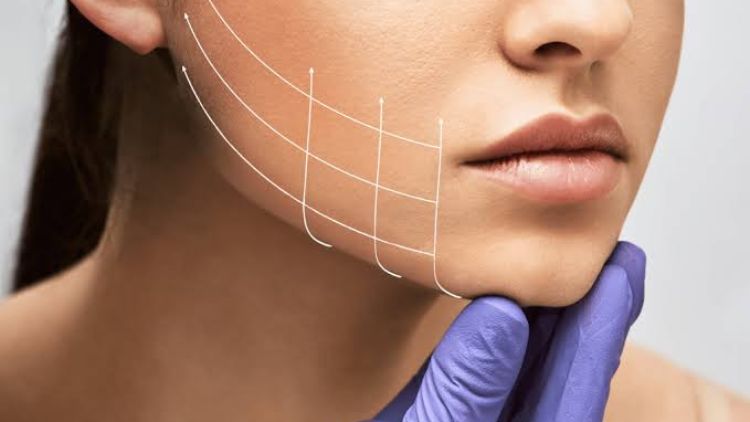
Thread lift effects are temporary, and there is no reliable duration that applies to every technique or patient. A 2020 review, Thread Lifts: A Critical Analysis of Treatment Modalities, found that reported longevity ranged from months to years. The studies used different techniques and patient groups, so that range cannot predict how long a particular result will last.
When comparing thread lifts before and after, check the follow-up date. Photographs taken weeks apart show a different stage from those taken a year apart. Check the follow-up interval before using an image to judge durability.
The time an absorbable thread remains in tissue is also different from the time a visible effect remains noticeable. Absorption does not provide an exact expiry date for the result.
Before deciding, ask about the expected duration for the specific plan and the evidence supporting that estimate. Discuss the possibility of limited improvement and what the next step would be if the change fades.
Further procedures should follow reassessment, rather than an automatic maintenance timetable. Include potential future costs when deciding whether the likely change is worthwhile.
Recovery and risks to weigh alongside the photos
Thread lifting involves placing material beneath the skin and carries medical risks. Swelling, bruising and discomfort can occur. Other complications include infection, persistent pain, visible or extruding threads and an unsatisfactory outcome. Your practitioner should explain the risks relevant to the proposed area and technique before consent.
Thread lifting before and after images cannot show the full recovery experience. Ask about temporary dimpling, asymmetry, pulling sensations and the possibility that an issue will need additional care. Persistent dimpling, visible threads or an uneven contour need clinical review to determine whether further care is required.
Follow the written aftercare instructions provided for your procedure. Clarify restrictions around facial massage, exercise, sleeping position and other appointments. Do not massage an uneven area or try to adjust a thread yourself.
Contact the treating practitioner promptly for worsening pain, spreading redness, discharge, exposed thread or new facial weakness. Severe or rapidly worsening symptoms need urgent medical assessment.
Before proceeding, confirm who will provide follow-up care, how to contact them and what arrangements apply if a complication occurs.
Discussing expectations and costs with Dr Wong
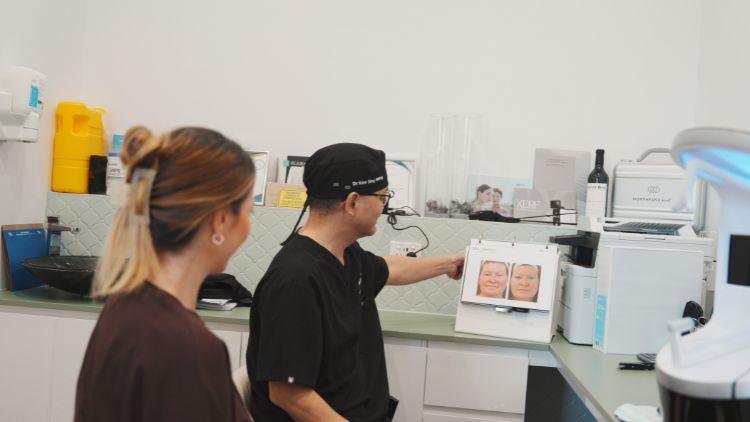
If you bring a photograph labelled “before and after thread lift”, point out the specific change you would like to discuss. Dr Wong considers your facial structure, medical history and previous procedures when assessing whether that degree of change is realistic. The discussion covers the likely limits, recovery, alternatives and costs before you decide what to do next.
Prepare a few specific questions:
- Which part of my concern could threads reasonably address?
- What is unlikely to change with the proposed approach?
- When would you assess the result?
- Who would perform the procedure and provide follow-up?
- What happens if the outcome is uneven or disappointing?
- Does the estimate cover review appointments and follow-up care?
Ask for current fees and inclusions for the proposed plan. A general price or another person’s quote does not establish your total cost.
You can read about Dr Wong’s qualifications and consultation approach before booking. Dr Kee Sing Wong, MED0000996242, is a registered medical practitioner with general registration and specialist registration in general practice.
Book a consultation with Dr Wong at W Medical Aesthetics in Adelaide to discuss your concerns and realistic options. If you are unsure about booking, send the clinic a question first. Taking time to consider the information, or deciding against a procedure, remains an option.
Frequently asked questions
Does a stronger early lift mean a better lasting result?
A stronger early lift does not necessarily mean a better lasting result. Tissue tension and swelling can affect the initial appearance, so the area needs reassessment as recovery progresses. Ask when a follow-up assessment would provide a more meaningful comparison.
Can threads be removed if I dislike the result?
Removal is not a simple reversal in every case. The thread design, location and surrounding tissue affect what is possible. If removal or revision is needed, a practitioner must assess the problem and explain the risks. Discuss this possibility before consenting to the original procedure.
Should I choose threads if I want a surgical facelift result?
A thread lift should not be expected to reproduce a surgical facelift. Someone seeking substantial tissue repositioning or removal of excess skin needs advice about the options that address those concerns. An appropriate surgical consultation can form part of that discussion.
This page is general information and does not replace an in-person assessment. Individual responses and results differ. Dr KS Wong assesses your skin, medical history and goals before recommending anything. All procedures carry risks that are discussed beforehand.