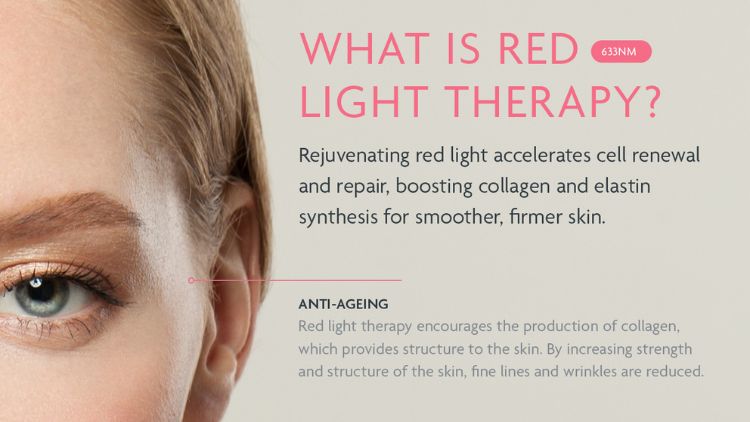
LED light therapy is a non-invasive treatment that uses specific wavelengths of light, including red and near-infrared light, to support selected skin concerns. The frequency of LED light therapy depends on your skin concern, the device protocol and whether LED is used alone or alongside another treatment.
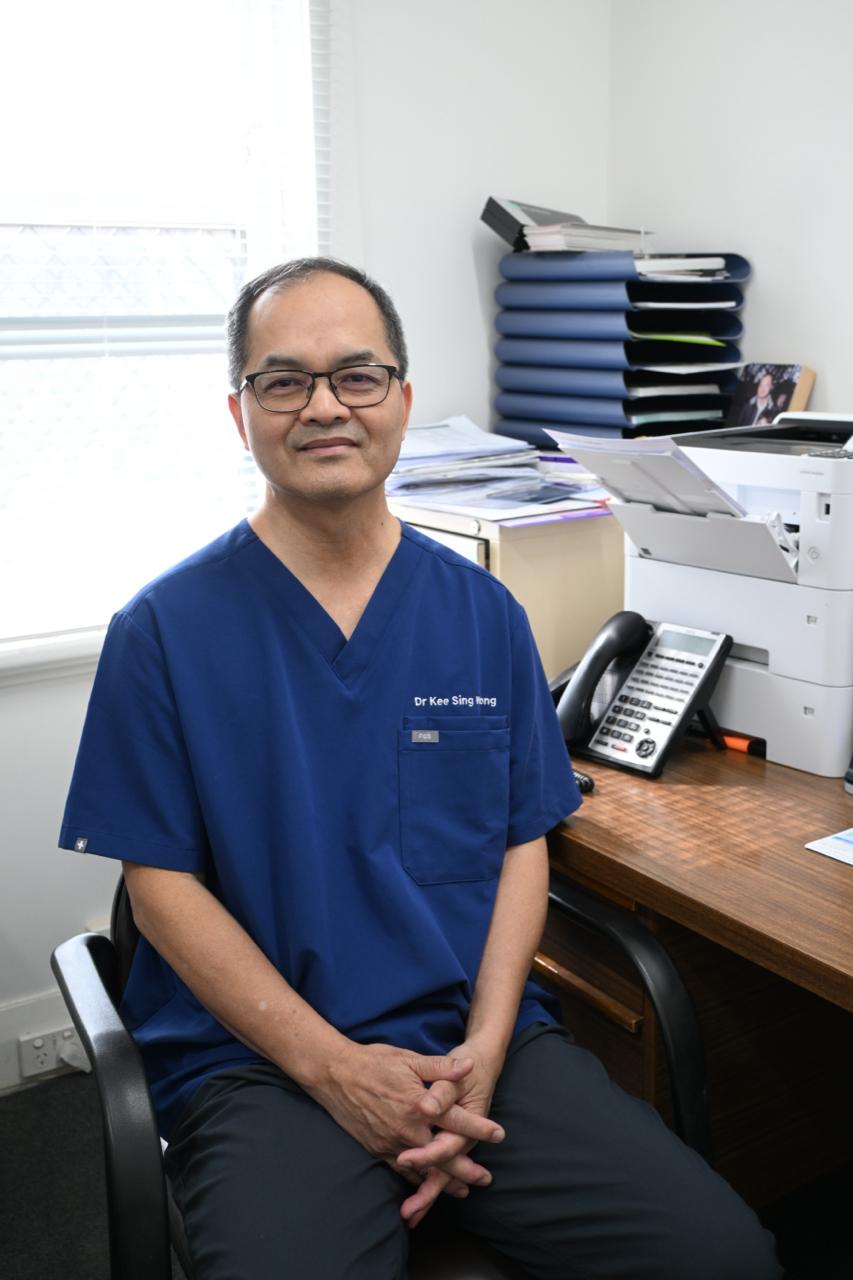
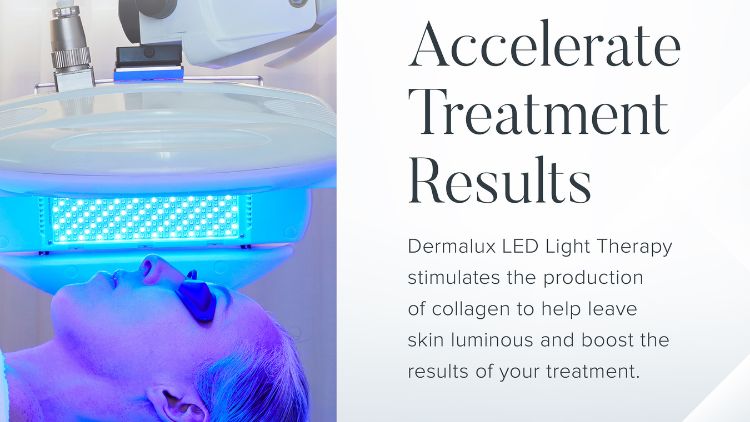
8 to 12 sessions is the usual range and the frequency varies with the device, condition and severity. It can be 3 to 5 times per week or 1 to 3 sessions per week depending on what stage of the treatment you’re on. At W Medical Aesthetics in Adelaide, Dr KS Wong uses Dermalux LED treatment based on your skin goals, treatment history and how your skin responds over time.
A quick guide to treatment frequency
Think about LED frequency in three different situations:
- A short course for an active concern: regular sessions may be planned over a limited period, followed by a review. The exact frequency depends on the concern, wavelength and response.
- Support around another procedure: LED may be used once or at selected points in a recovery plan. The procedure you had and the condition of your skin guide timing.
- Maintenance or general skin support: sessions may be occasional and should continue only if you can identify a worthwhile benefit.
This distinction is important because the most intensive schedule is not automatically the most suitable. More appointments also mean more time and cost. If your skin is not improving, simply adding sessions can delay a more useful reassessment.
What affects how often you should have LED Light Therapy?
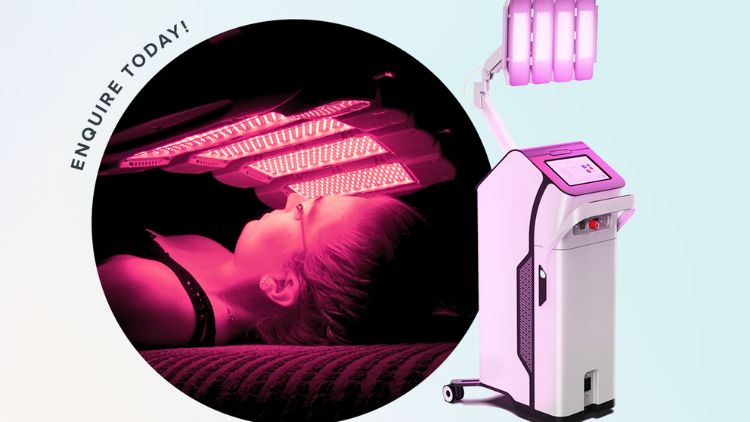
The recommended frequency of LED light therapy depends on more than the number of appointments. The wavelength, dose, treatment area, device settings and your skin response all influence how often treatment may be appropriate.
- Wavelength or combination of wavelengths
- Irradiance, which is the amount of light energy reaching the skin
- Treatment time
- Distance between the device and your skin
- The treatment area and condition being addressed
- The device design and protocol
Two devices used for the same number of minutes may not deliver the same dose. This is one reason an at-home mask schedule cannot be copied directly to an in-clinic Dermalux treatment, or vice versa.
Your skin also needs to be considered. An active rash, photosensitivity, a recent procedure or a medicine that increases sensitivity to light can change whether LED is appropriate and when it should be used.
Match the schedule to what you need
The treatment schedule can vary depending on the skin concern you want to address and the role LED therapy plays in your overall treatment plan.
LED as support for acne-prone skin
Blue and red light have been studied as adjuncts for acne. Some reviews report improvement in inflammatory lesions, while others find the evidence inconsistent or not clearly superior to standard treatments. Device settings, acne severity and study methods vary.
For you, this means LED should not delay medical assessment when acne is painful, scarring, widespread or affecting your wellbeing. Dr Wong may discuss a short course with a planned review, but the wider acne plan may also need skincare or medical treatment. If the lesion count, soreness or new breakouts are not improving, the schedule should be reconsidered rather than continued by habit.
LED around another cosmetic procedure
Red or near-infrared light may be used as part of recovery support after selected procedures. The timing should be linked to the procedure, your skin response and the treating clinician's instructions. It should not be assumed to make every procedure risk-free or to remove downtime.
If your skin response feels unexpected after treatment, Dr Wong can advise whether your schedule should be adjusted or whether further assessment is needed. An LED appointment is not a substitute for assessing a complication.
LED for general skin quality or maintenance
If your goal is subtle skin support rather than treatment of an active condition, less frequent sessions may be discussed after an initial response is assessed. You should be able to describe what benefit you notice and whether it is worth the ongoing time and cost.
It is appropriate to stop if the benefit is not meaningful enough to justify ongoing appointments. Maintenance is optional, and your skin does not become dependent on LED because you decide not to continue.
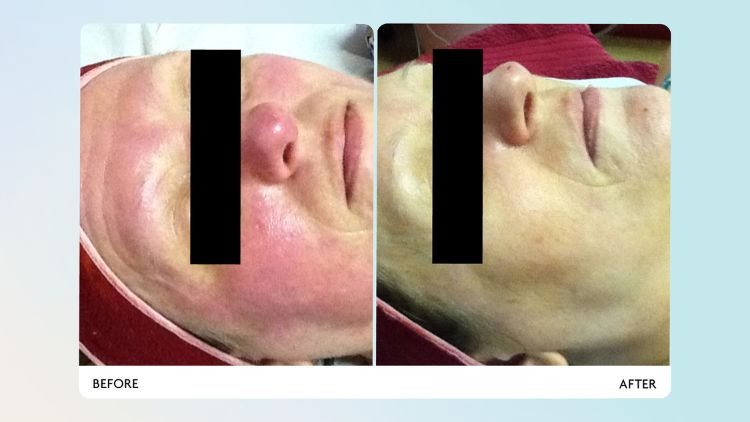
Dermalux in clinic vs an at-home LED mask
A home device can be convenient, but its settings and treatment protocol are not always equivalent to professional equipment. In-clinic Dermalux protocols can differ from home-device instructions because treatment settings, positioning and clinical goals are not necessarily equivalent.
If you use an at-home mask, bring the device details or manual to your consultation. Dr Wong can consider it alongside in-clinic treatment and your skincare. This can help you avoid unnecessary duplication and makes it easier to identify what is causing improvement or irritation.
Can you have LED light therapy too often?
In short, yes. LED light therapy is designed to be used within a specific protocol. More frequent appointments do not always create better outcomes, particularly if your skin has not shown meaningful improvement or your treatment circumstances have changed. A schedule can be too frequent if it ignores the device instructions, your medicines, photosensitivity, a new skin reaction or the lack of a measurable benefit.
Possible short-term reactions can include temporary redness, warmth, dryness, headache or eye discomfort. Evidence reviews also note that adverse-event reporting has not always been consistent. Tell the clinic if you have light-triggered migraines, eye conditions, lupus or another photosensitive condition, or if you take medicines or supplements that may increase photosensitivity.
Protective eyewear and the correct device protocol matter. Blue, red and near-infrared wavelengths are used for different purposes, so choosing a colour based only on what feels calming is not a reliable treatment plan.
How to know whether your schedule is working
Agree on a review point before starting. Then look for change in the concern you named, rather than asking whether your skin looks generally “better”. Depending on the goal, Dr Wong may review:
- the number and tenderness of inflammatory acne lesions
- redness, sensitivity or comfort during recovery
- consistent photographs taken under similar conditions
- how long any change remains noticeable between sessions
- whether your skincare and other treatments changed at the same time
- any irritation, headaches, eye discomfort or new sensitivity
If there is no meaningful change after an appropriate trial, your options include changing the schedule, reconsidering the goal, investigating another cause or stopping. A longer course is not automatically the answer.
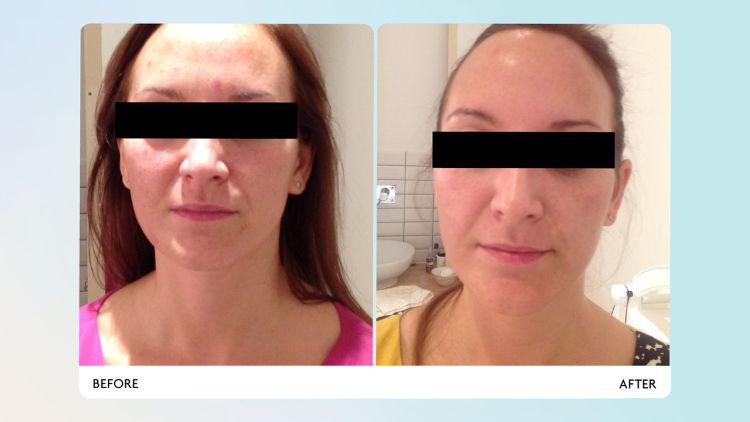
When Dr Wong may recommend waiting
LED may need to be postponed or modified if you have an active infection, an unexplained rash, a recent reaction, significant photosensitivity or a medicine that needs further checking. The same applies when another procedure has not recovered as expected.
Please share your full medication and supplement list, including recent changes. If you are pregnant or breastfeeding, have a significant medical or eye condition, or are under another clinician's care for your skin, mention this before treatment. Dr Wong can then decide whether LED is suitable, whether more information is needed or whether no treatment is the safest option.
At W Medical Aesthetics, LED treatment is not approached as a fixed schedule for every patient. Dr Wong considers your skin concern, previous treatments and overall skin plan before recommending whether LED is suitable and how often it should be used.
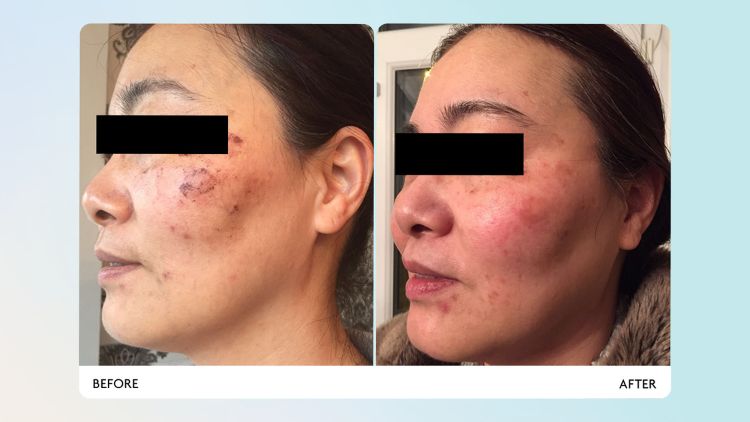
Frequently asked questions about LED light therapy frequency
How often should I have LED light therapy?
LED light therapy frequency depends on your skin concern, treatment goal and the device protocol being used. Some patients may have several appointments over a short course, while others may use LED less frequently for maintenance after their response has been reviewed by Dr Wong.
Is LED light therapy suitable for everyone?
LED light therapy may not be suitable for everyone, particularly those with certain photosensitive conditions or medicines that increase sensitivity to light. Dr Wong can assess your history and advise whether LED is appropriate.
Can LED light therapy be used after cosmetic treatments?
LED may be considered as part of recovery support after selected procedures. The timing depends on the treatment performed, your skin response and the advice provided by your treating clinician.
How many times a week should I have LED light therapy?
LED light therapy frequency varies depending on the device, treatment goal and your skin response. Some patients may have multiple appointments per week during an initial course, while others may require less frequent maintenance sessions after their results are reviewed.
Can I have LED light therapy every day?
LED light therapy should follow the recommended protocol for your device and skin concern. More frequent treatments are not automatically better, particularly if your skin is irritated, sensitive or not showing meaningful improvement.
Conclusion
The ideal frequency for LED light therapy depends on your skin goals, current skin condition and the treatment protocol being used. Some people may benefit from a short-term course of regular sessions, while others may use LED as part of an ongoing skin maintenance plan. The right schedule is the one that supports your skin without creating unnecessary treatment.
Book an appointment with Dr Wong at W Medical Aesthetics Adelaide to discuss whether Dermalux LED light therapy suits your skin goals and what treatment schedule may be appropriate for you.