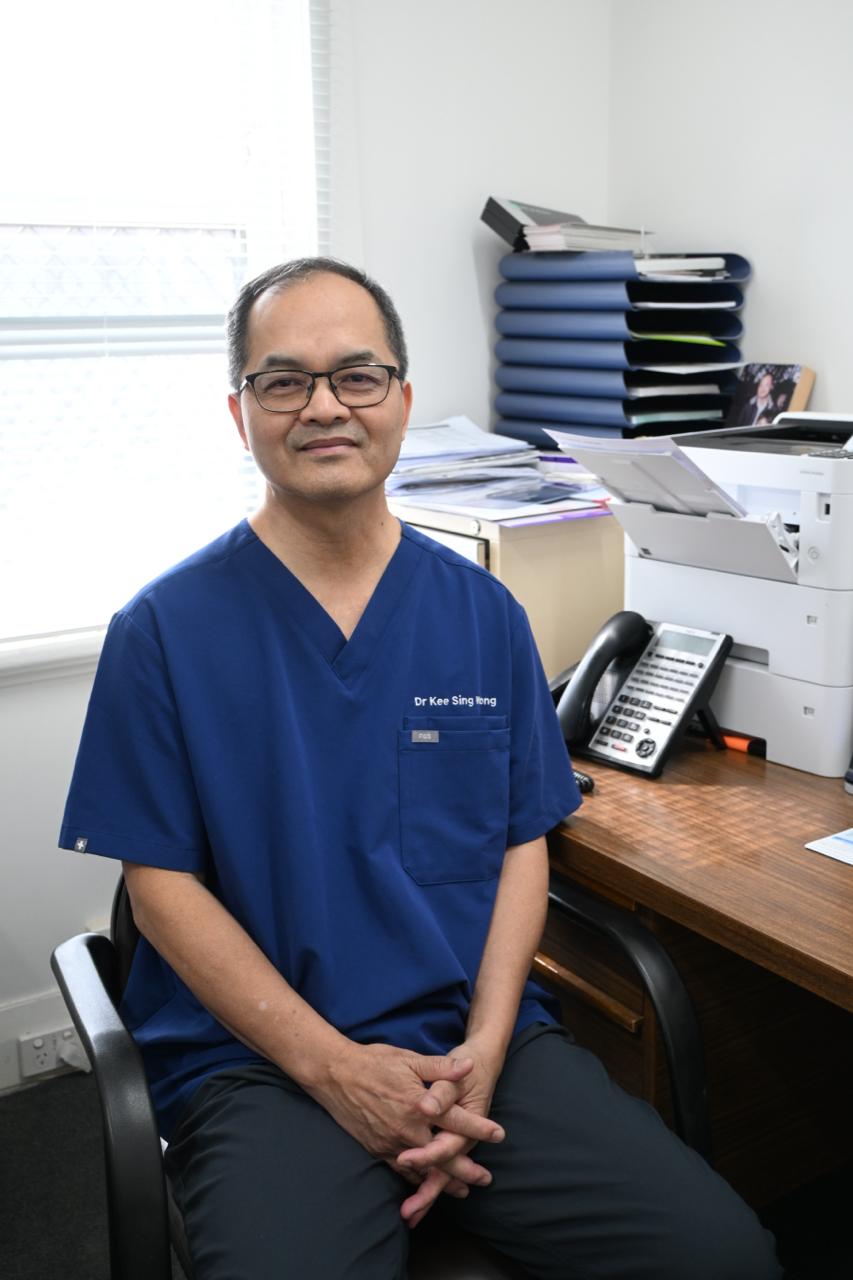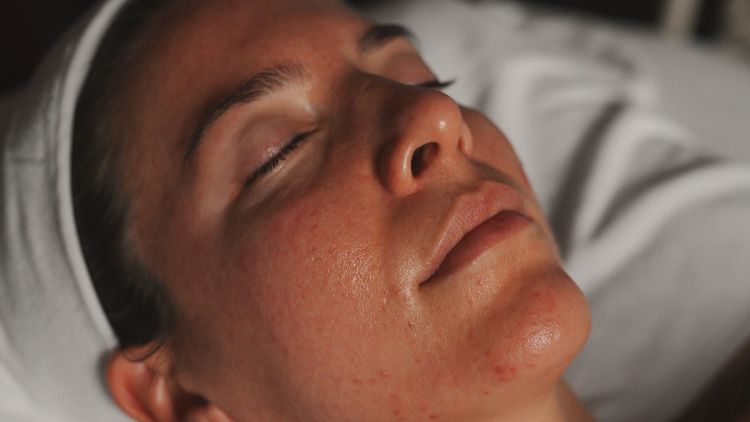
People often search for “BBL laser before and after”, but BBL HEROic is not a laser. It uses BroadBand Light, a filtered pulsed-light technology, to target selected pigment and redness. Before-and-after changes vary with your skin, the concern being treated and the settings Dr Wong selects. Pigment can look darker before it fades, while redness and overall tone are usually assessed after the skin has settled.
What is BBL HEROic, and how is it different from a laser?
BBL HEROic is Sciton’s BroadBand Light platform. It sits within the wider intense pulsed light category and delivers a range of wavelengths through selected filters. A laser generally uses a more defined wavelength or wavelength range. This difference matters because BBL HEROic is a light-based treatment, not a laser treatment.
Dr Wong selects the filter and settings after assessing the visible concern, skin tone, recent sun exposure and treatment area. The aim is not to use the highest energy. It is to choose an appropriate light-based approach for the target and the individual skin response.
| Term | Meaning |
|---|---|
| BBL | Sciton’s proprietary BroadBand Light platform |
| BBL photofacial | A general term for facial treatment using BBL technology |
| IPL | The broader category of intense pulsed light treatments |
| Traditional laser | Uses a defined wavelength or narrower wavelength range |
How BroadBand Light targets pigment and redness
Light-sensitive structures within the skin absorb selected wavelengths. Melanin absorbs energy when brown pigment is targeted. Haemoglobin absorbs energy when the concern involves redness or small vessels.
The absorbed light energy is converted into controlled thermal energy. The body then gradually clears or remodels the targeted material. This process explains why brown spots may darken before they begin to fade or flake.
A practitioner must first identify what is producing the visible colour. A brown patch caused by sun exposure does not necessarily require the same approach as melasma or post-inflammatory pigmentation.
Is BBL the same as IPL?
BBL belongs to the broader IPL category, but the terms are not interchangeable device names. BBL refers to Sciton’s proprietary platform, while IPL describes a wider group of pulsed-light technologies.
The practical difference between BBL and other IPL treatments depends on the device, filters, treatment settings, clinical goal and practitioner experience.
For a closer comparison of the two technologies, read W Medical Aesthetics’ guide to BBL vs IPL.
Why the treatment settings are personalised
We consider any visible concern and the characteristics of the treatment area before selecting an approach. Relevant factors can include:
- Baseline skin tone and tanning background
- Pigment characteristics and affected areas
- Redness severity and visible blood vessels
- Existing skincare products and medications being used
- Previous response to light-based treatment
- Planned events during the recovery period
Personalisation is a clinical and safety decision. Higher energy does not automatically produce a more appropriate result.
Expected BBL changes in pigmentation, redness and skin tone
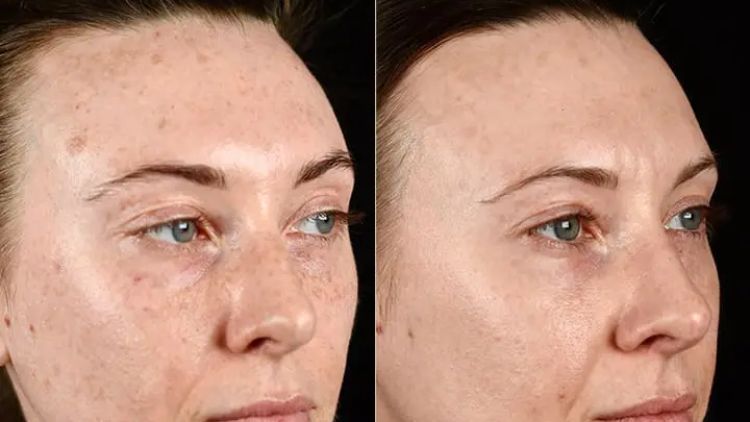
BBL before-and-after changes are usually most visible in brown spots, diffuse redness and overall tone. Targeted pigment may temporarily darken before it fades or flakes away. Redness can soften after one or more appointments. Texture changes are usually subtler and depend on the treatment plan, particularly when MOXI is not part of the appointment.
Well-taken clinical photographs make it easier to assess change in the specific concern being treated. A clearer brown spot or reduced vascular redness is more meaningful than a broad claim that the patient’s entire appearance has been transformed.
| Concern | Possible early response | Possible later change | Important limitation |
|---|---|---|---|
| Sun spots and freckles | Temporary darkening | Pigment may shed or lighten | New sun exposure can cause further pigmentation |
| Diffuse redness | Warmth or temporary flushing | Redness may appear softer | An underlying condition may still require management |
| Small visible vessels | Local redness or swelling | Some vessels may look less noticeable | Results may require a course of several treatments |
| Uneven skin tone | Temporary warmth or flushing | Tone may look clearer | Results depend on the cause |
| Texture and radiance | Limited immediate change | Gradual refinement may develop | BBL does not replace deeper resurfacing |
Research on IPL-based skin rejuvenation supports cautious use for selected pigmentary and vascular concerns, but protocols and outcomes vary across devices and studies. A 2022 systematic review found that the available evidence was generally low quality, which is why individual assessment and realistic expectations remain important.
Pigment concerns, freckles and sun-induced spots
Targeted freckles and sun spots can become darker during the first few days. This early change does not necessarily mean the pigmentation has worsened. The darkened material may gradually move towards the surface before fading or flaking.
Natural skin shedding should not be disturbed. Picking, scrubbing or using aggressive exfoliants can irritate the treated area. Sciton’s patient guidance advises gentle cleansing, moisturising and consistent broad-spectrum sun protection during healing.
The treatment does not prevent future sun damage. New spots can develop, and previously treated pigmentation may become more visible again following ongoing ultraviolet exposure.
Redness and visible vessels
BBL can be configured to target haemoglobin within small vessels or areas of diffuse redness. A patient may first notice temporary flushing, warmth or local swelling. As the skin settles, the treated redness may look softer.
Reducing visible redness is different from curing an underlying condition. Rosacea, recurrent flushing and inflammatory skin conditions may require ongoing assessment and management beyond a light-based appointment.
Complexion tone, skin texture and luminosity
Changes in colour are usually easier to document than structural texture changes. When brown and red areas become less prominent, the complexion may appear clearer and more even.
BBL HEROic may support gradual refinement in overall skin quality, but it is not a resurfacing laser. If texture, pores or superficial scarring are the main concern, Dr Wong may discuss MOXI or another treatment consultation instead.
What BBL is not designed to change
A pigment or redness-focused BBL treatment is not generally the primary approach for:
- Significant skin laxity
- Structural facial volume loss
- Deep or tethered acne scars
- Pronounced facial folds
- Substantial excess skin
These concerns involve different tissue levels. Dr Wong may recommend another assessment pathway rather than increasing the intensity of a light treatment.
When comparing a case, look for:
- Concern and area treated
- Number of BBL appointments
- Approximate spacing between appointments
- Time after the final treatment
- Other treatments used during the period
- Relevant maintenance and aftercare context
Individual results vary. Images show the outcome of the patient pictured and do not predict the result another person will experience.
What is the BBL results timeline from day 1 to week 12?
BBL results develop in stages. Mild warmth or redness may be present on treatment day. Targeted pigment can darken during the following days, while clearer tone may become easier to assess over several weeks. The timing depends on the concern, treatment settings and individual skin response.
| Period | What the skin may look or feel like | Care emphasis |
|---|---|---|
| Treatment day | Warmth, redness or sensitivity | Cooling support, gentle skincare and sun protection |
| Days 2 – 7 | Dark spots can become more noticeable after treatment | Do not pick or scrub |
| Days 7 – 14 | Darkened pigment may shed or fade | Maintain gentle skincare and daily sun protection |
| Weeks 2 – 6 | Tone and redness may be easier to assess | Compare standardised images to track changes |
| Weeks 6 – 12 | Course results may become clearer | Review whether further treatment is appropriate |
These periods are general reference points rather than fixed deadlines. Reviews are generally conducted one month after treatment, although the timing may vary depending on the treatment settings and individual skin concerns.
Common changes within the initial 24 hours
The skin may feel warm or temporarily sensitive. Mild redness can resemble a light sunburn response. Some areas may also show slight swelling.
Cooling measures should follow the clinic’s instructions. Products that create heat, friction or irritation should be avoided while the skin remains reactive.
Why pigment may look darker before it looks lighter
Light energy targets melanin within the treated spot. The pigment may become more noticeable as the skin begins clearing the affected material.
This temporary darkening often precedes gradual fading or surface flaking. It should not be rubbed away. Contact the clinic when the response differs from the recovery pattern explained during consultation.
When clearer tone may become noticeable
An early reduction in redness can be visible once immediate flushing settles. Pigmentation often takes longer because the darkened material must gradually clear.
A settled result should be judged at the review point provided by the clinic. Photographs taken too early may document temporary redness rather than the treatment outcome.
When to take the after photograph
An after photograph is most useful when:
- Immediate redness has settled
- Temporary pigment darkening has resolved
- The planned review point has been reached
- The original lighting and angle can be reproduced
- Makeup and skincare conditions remain comparable
Progress photographs can also show whether another appointment is justified, rather than assuming a predetermined treatment course.
BBL HEROic downtime: How visible is the recovery?
BBL HEROic usually involves limited social downtime, but the skin may not look unchanged. Temporary warmth, redness, sensitivity, mild swelling and pigment darkening can occur. Many patients return to usual activities while following gentle skincare and careful sun protection.
The visibility of recovery depends on what was treated. A patient with isolated redness may look temporarily flushed. Someone treating multiple brown spots may notice darker speckling that remains visible while the pigment clears.
Common temporary skin responses after BBL
The early skin response can include:
- Mild heat felt across the treatment zone
- Temporary redness or flushing
- Local sensitivity
- Slight swelling
- Darkening of targeted pigment
Mild redness, warmth and temporary pigment darkening can occur after BBL. Contact W Medical Aesthetics if the reaction becomes more uncomfortable, lasts longer than expected or differs from the recovery discussed with Dr Wong.
Social downtime versus skin recovery
Social downtime describes how comfortable someone feels returning to work or attending an event. Skin recovery describes the biological period during which the treated area remains sensitive.
A person may feel well enough to work while still showing darkened spots or mild redness. “Minimal downtime” should therefore not be interpreted as “no visible response”.
Allow additional time before a wedding, professional photography or another important event. There is no universal interval because the settings and recovery pattern vary.
BBL aftercare during the first few days
Follow the personalised instructions provided by W Medical Aesthetics. General care guidelines typically involve:
- Use broad-spectrum sunscreen according to guidance
- Stay away from intense sun exposure and tanning activities
- Cleanse with lukewarm water and a gentle product
- Apply a suitable moisturiser with clean hands
- Avoid picking or rubbing darkened spots
- Pause exfoliants and irritating active products
- Avoid excessive heat until the skin settles
Sciton’s care sheet advises SPF 30 or higher, gentle cleansing and avoiding direct sunlight while the treated skin recovers. The same document notes that body areas can take longer to settle than facial skin.
When to reach out to your treatment provider
Contact W Medical Aesthetics when you develop an unexpected or worsening reaction. This can include increasing pain, blistering, broken skin, significant swelling, spreading redness or an unexpected change in pigmentation.
Sciton’s post-care information specifically advises contacting the treating office if broken skin or blistering occurs. Personalised instructions from Dr Wong should take priority over general online guidance.
To discuss whether BBL HEROic suits your skin and how visible the recovery may be, book a BBL treatment consultation with Dr Wong before arranging an appointment around an important event.
How many BBL treatments are needed before results are visible?
Some patients notice a visible change after one BBL appointment. Others require a treatment course for broader pigmentation, persistent redness or several treatment areas. The number and spacing of appointments should reflect the concern and response to treatment, rather than a standard package.
Sciton’s patient information also states that some patients see improvement after one treatment, while others benefit from a series. It presents treatment count as dependent on the type and severity of the concern.
Can one BBL treatment make a difference?
A single appointment may produce a noticeable change in a defined cluster of sun spots or an area of mild redness. The degree of change varies, and one appointment will not suit every concern.
The starting condition influences the result. An isolated concern is different from extensive sun damage across the face, neck and chest. A single patient photograph cannot predict another person’s outcome.
When might a treatment course be recommended?
Dr Wong may discuss a staged plan when the concern involves:
- More extensive sun-related pigmentation
- Long-lasting or widespread skin redness
- Several treatment areas
- Selected acne-related protocols
- A cautious approach using gradual settings
The response to the first appointment provides useful clinical information. Further treatment should follow review rather than an automatic package schedule.
Corrective care compared with maintenance treatments
An initial course aims to address an established concern. Maintenance appointments aim to support the result after the initial response has settled.
Daily sun protection remains important between appointments. BBL cannot make the skin resistant to new ultraviolet damage, vascular changes or recurrent inflammation.
Why do BBL before-and-after results differ between people?
BBL outcomes differ because skin tone, pigment type, vascular activity, recent sun exposure, treatment settings and aftercare influence the response. Before-and-after images should therefore be viewed as examples of possible change, not a prediction of what every patient will experience.
| Factor | Why it matters | What Dr Wong may assess |
|---|---|---|
| Pigment type | Each concern may respond differently to treatment | Appropriateness of light treatment for the concern |
| Skin tone | Melanin affects setting selection and risk | Appropriate settings or alternative options |
| Recent tanning | Recent tanning may increase treatment risks | Whether a later treatment date is recommended |
| Vascular activity | Several conditions can contribute to skin redness | Whether BBL suits the concern |
| Treatment area | Body areas recover differently | Settings and expected recovery |
| Treatment intensity | Higher energy levels do not always produce better results | A balanced treatment plan |
| Aftercare | Irritation can affect recovery | Custom care instructions for your skin |
| Maintenance | New colour changes can develop | Prevention and review planning |
The characteristics and extent of the issue
Not every brown area is the same condition. Freckles, solar lentigines, post-inflammatory pigmentation and melasma have different patterns and triggers.
Diagnosis matters because unsuitable heat or light exposure can produce an unpredictable response. Dr Wong will assess any uncertain or changing lesion before considering cosmetic light treatment.
Skin tone and recent tanning
Melanin can absorb treatment energy. Dr Wong must consider the patient’s natural skin tone, recent tanning and current pigment activity before choosing filters and settings.
This assessment should not rely on a broad statement that BBL is suitable or unsuitable for an entire skin-type group. Individual skin characteristics and the specific treatment protocol are more relevant.
Treatment parameters and professional evaluation
A personalised plan determines the treatment area, filter selection, pulse settings and review point. Personalised settings are an important part of treatment safety and planning. They help align the procedure with the visible concern and the patient’s risk profile.
Sun exposure, skin care routine and ongoing maintenance
Ongoing ultraviolet exposure can create new pigmentation and make existing discolouration more noticeable. Irritating skincare can also affect how the skin recovers.
Consistent sunscreen and an appropriate home routine help protect the result. They cannot guarantee that pigmentation or redness will never recur.
Skin type, pigmentation and aftercare influence individual BBL outcomes
What happens during a BBL treatment at W Medical Aesthetics in Adelaide?
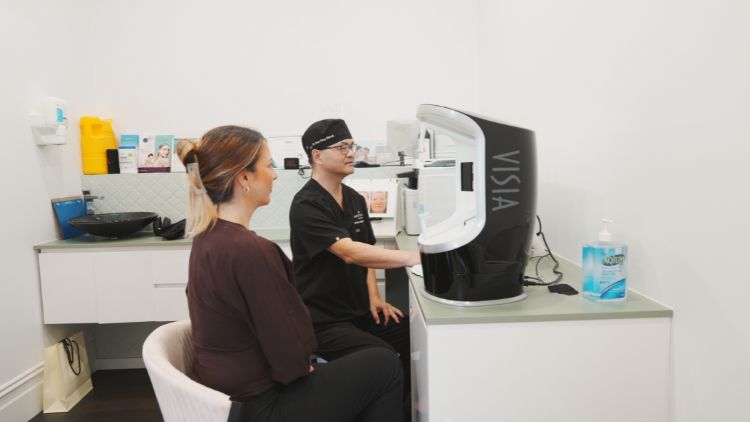
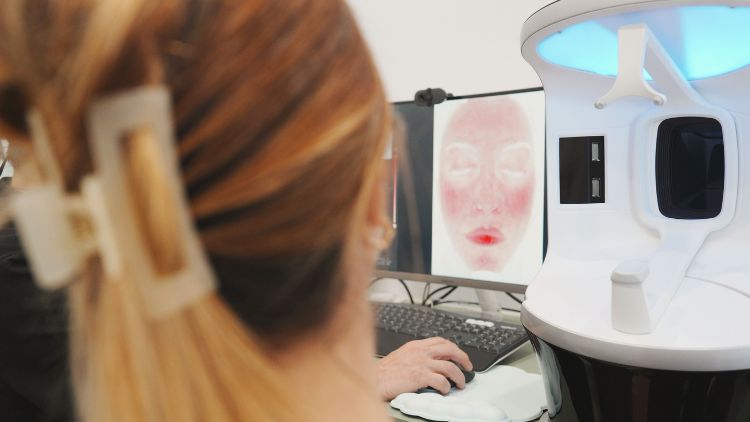
At W Medical Aesthetics in Adelaide, BBL HEROic follows a consultation-led process rather than a standard protocol. We assess the concern, skin characteristics, medical history and recent sun exposure before discussing expected changes, downtime, alternatives and whether BBL HEROic is appropriate.
Consultation and skin assessment with Dr Wong
The assessment should cover the primary concern, relevant medical history and previous treatments. Dr Wong may also review current skincare, medication and recent tanning.
Upcoming travel or events are relevant because visible pigment darkening can affect social planning. During your consultation, Dr Wong will explain what level of change may be realistic and when your progress can be reviewed.
Baseline clinical photography
Standardised photographs record the initial condition. They also help separate genuine change from differences in lighting or memory.
W Medical Aesthetics uses consistent angles, expressions, backgrounds and camera distances to support a more accurate review. These photographs can support decisions about further treatment without assuming that every patient needs a course.
A personalised BBL HEROic treatment plan
The treatment area and settings vary according to the assessment. Protective eyewear is used during light delivery. Sciton describes integrated cooling and a brief warm or snapping sensation during treatment.
BBL HEROic uses configurable filters, allowing the practitioner to select wavelengths for the identified target. A combined treatment with MOXI may be discussed where appropriate, but combination treatment should not be assumed for every patient.
Aftercare and clinical review
W Medical Aesthetics provides written aftercare based on the treatment area, settings and expected skin response. You will receive clear aftercare instructions, including how to contact the clinic if your recovery differs from what Dr Wong discussed with you.
Progress photographs are taken after temporary redness and darkening have settled. Dr Wong can then assess whether the result is developing as expected and whether another appointment is justified.
Common questions about BBL results, recovery and treatment
Does a BBL photofacial hurt?
Patients commonly describe brief warmth or a snapping sensation as the pulses are delivered. Integrated cooling supports comfort, but sensitivity varies with the treatment area and settings. It should not be assumed that the procedure will feel painless for everyone.
Can I wear makeup after BBL?
Makeup timing depends on the skin response and the aftercare instructions provided by W Medical Aesthetics. Sciton’s general guidance notes that makeup can often be applied after BBL, but irritated or broken skin should not be covered without clinical advice. Use clean, suitable products only when the skin feels comfortable.
Can BBL treat the neck, chest or hands?
BBL can be used on areas including the face, neck, chest and hands when sun-related pigmentation, redness or small visible vessels are present. These areas can respond and recover differently, so Dr Wong assesses the skin, recent sun exposure and treatment area before confirming suitable settings and expected downtime.
Can BBL make melasma or pigmentation worse?
Some pigment conditions can respond unpredictably to heat or light. Melasma has a recurrent course, and research on energy-based treatments reports risks including post-inflammatory pigment changes with some methods. Dr Wong should identify the pigment type before recommending BBL rather than treating every brown patch with the same protocol.
How long before a wedding or event should I have BBL?
Plan BBL early enough for temporary redness, mild swelling or darkened pigment to settle before the event. The result may also take several weeks to become easier to assess. There is no fixed interval that suits everyone because treatment intensity and recovery vary. Dr Wong can recommend an individual timeline based on your skin, treatment area and event date.
Book a BBL treatment consultation with Dr Wong to discuss your skin concerns, whether the technology is suitable and what changes may be realistic for you.