FaceTite and Morpheus8 both use radiofrequency but work at different tissue levels. FaceTite delivers energy beneath the skin to selected subdermal tissue, while Morpheus8 delivers fractional RF through microneedles. They may be combined when deeper laxity or contour and skin-level texture are separate concerns that each treatment can meaningfully address.
Using both does not automatically mean twice the benefit. It means a more involved procedure, a broader treatment area and a combined recovery profile. Dr Wong first needs to identify whether the concern comes mainly from skin laxity, localised fat, surface texture, facial volume or a mixture of these. Sometimes one treatment, a staged plan or no procedure is the more proportionate choice.
How FaceTite and Morpheus8 differ
Morpheus8 and FaceTite both use radiofrequency but deliver it through different treatment pathways. FaceTite works beneath the skin through a small access point and targets deeper subdermal tissue. Morpheus8 uses microneedles to deliver fractional RF through the skin, making texture and skin-level remodelling a more prominent part of its role.
|
Factor |
FaceTite |
Morpheus8 |
|---|---|---|
|
RF delivery |
Internal and external electrodes |
RF through microneedles |
|
Main treatment level |
Subdermal tissue |
Skin and selected deeper levels |
|
Skin entry |
Small access points |
Microneedle punctures |
|
Localised fat |
May be addressed in selected plans |
No mechanical fat aspiration |
|
Texture |
Not the primary role |
May address texture and scarring |
|
Anaesthesia |
Required as planned |
Depends on treatment plan |
|
Recovery |
More involved |
Usually less than FaceTite alone |
|
Combined role |
Deeper contour or laxity |
Fractional skin remodelling |
FaceTite works beneath the skin
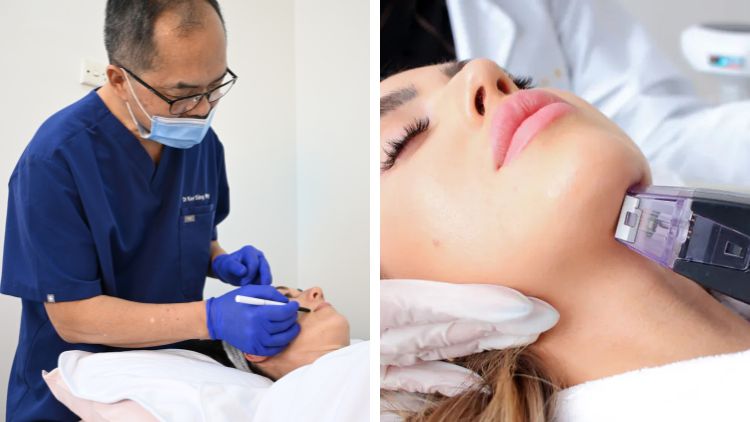
FaceTite is a minimally invasive radiofrequency-assisted procedure. A small entry point allows a slender internal electrode to pass beneath the skin. An external electrode follows over the skin surface. Energy travels between the two electrodes, heating tissue in a controlled treatment plane. Selected localised fat may also be treated where this forms part of the agreed plan.
Because FaceTite works under the skin, it involves anaesthesia, entry-point care and more visible recovery than a surface-only treatment. It cannot remove a large amount of excess skin or reproduce the tissue repositioning of a surgical lift.
Morpheus8 delivers fractional RF through needles
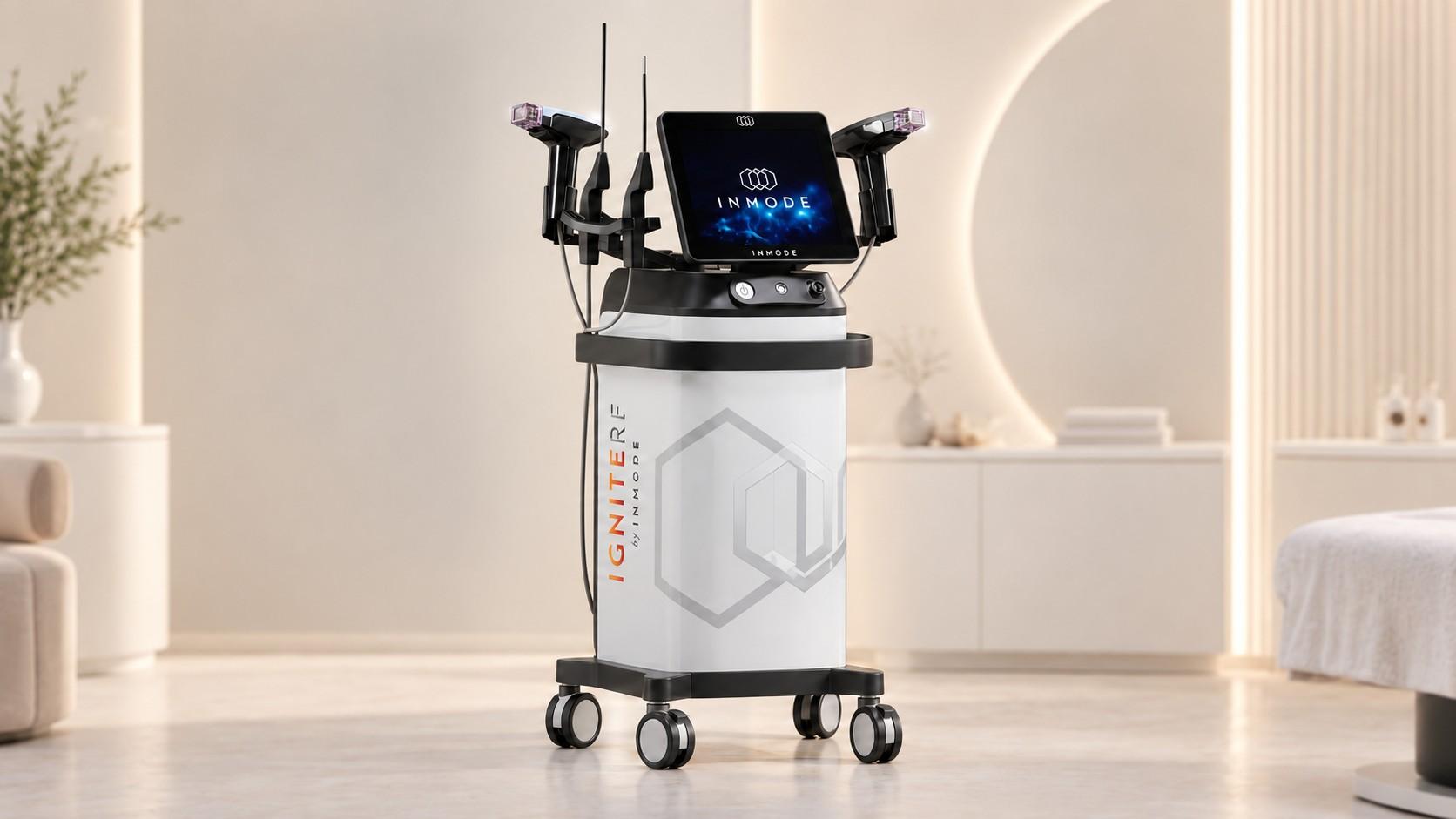
Morpheus8 is a radio frequency skin tightening microneedling treatment that delivers energy through fine needles at selected depths. RF microneedling for skin tightening may be discussed when mild laxity is present alongside texture or selected acne-scar concerns.
With RF microneedling skin tightening, needle depth and energy need to suit the thickness and anatomy of the area. More energy is not automatically more useful. If your face is naturally lean or hollow, protecting wanted volume becomes part of the planning conversation.
What can a combined approach add?
A combined FaceTite-Morpheus8 plan may be considered when there are two distinct treatment targets. FaceTite may address selected deeper laxity or a small pocket beneath the chin, while Morpheus8 may add fractional RF skin tightening and texture-focused remodelling through the skin. Treating both layers in one plan can make sense when each step has a clear role.
The evidence is stronger for the individual technologies than for a universal FaceTite-and-Morpheus8 protocol. Published research on radiofrequency-assisted contouring and RF microneedling reports potential improvements in selected patients, but devices, settings, treatment areas and outcome measures vary. Dr Wong should explain what each treatment is intended to change rather than presenting FaceTite and Morpheus8 as a standard package.
When one procedure may be enough
If the main concern is surface texture without meaningful deeper laxity or localised fat, Morpheus8 alone may be the more focused discussion. If the concern is chiefly a small submental pocket with mild to moderate laxity, FaceTite may address the deeper target without automatically adding microneedling.
Doing less can also make recovery easier to interpret. When treatments are staged, Dr Wong can review how the first treatment heals. He can then assess whether another step is likely to add enough benefit to justify further cost, discomfort and risk.
What the combined procedure may involve
A combined FaceTite and Morpheus8 procedure can involve local anaesthesia, small FaceTite access points and microneedling across selected skin areas. Small access points are made for the internal electrode. Morpheus8 may be performed during the same appointment or at another stage, depending on the area, settings and recovery plan.
After treatment, you may have swelling, bruising, tenderness, firmness, temporary numbness, pinpoint marks, redness or a rough skin texture. Compression may be recommended after FaceTite. Entry points and microneedled skin need the aftercare provided by the clinic.
Allow more recovery time than you would for a light facial treatment. Swelling can settle unevenly, and residual firmness or altered sensation may last longer than the most visible redness. If you have work, travel, exercise, caregiving or an event coming up, tell Dr Wong before a date is chosen.
Risks to understand before combining treatments
FaceTite risks can include bleeding, infection, burns, delayed healing, fluid collection, contour irregularity and scarring. Nerve injury, unwanted fat loss and anaesthetic complications are also relevant procedural risks. Morpheus8 risks include pain, redness, swelling, bruising, infection, pigment change, burns, scarring, altered sensation and unwanted changes in the treated tissue.
Combining procedures brings both sets of risks into the same plan. It can also make early swelling and texture changes more noticeable. The anatomy of the jawline and neck, the path of the internal electrode, needle depth and temperature control all matter. Appropriate equipment and single-use treatment components matter, but device safeguards do not replace clinical assessment, anatomy knowledge and technique.
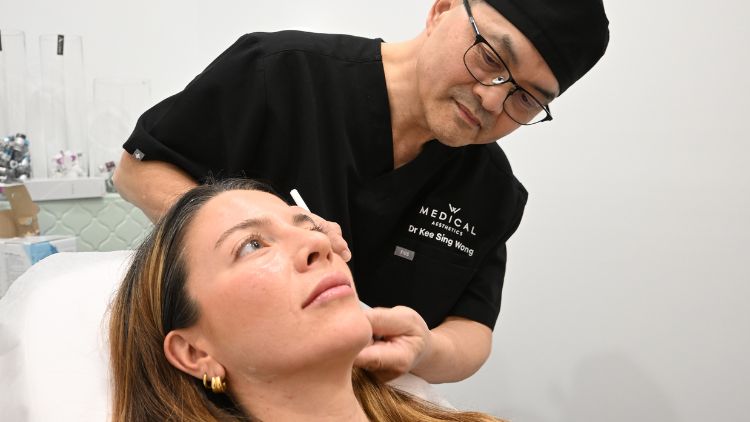
Who may be suitable for FaceTite with Morpheus8?
FaceTite with Morpheus8 may be discussed when mild to moderate lower-face or neck laxity exists alongside a separate skin-texture concern. You also need to be able to accommodate anaesthesia and visible recovery. Suitability also depends on your medical history, skin characteristics, healing history, previous procedures and the amount of facial volume you want to preserve.
A combined approach may be less suitable when there is substantial excess skin, active infection, unstable pigmentation or significant medical or healing risk. A very lean treatment area or goals that require surgical skin removal may also point toward another approach. These are not decisions that can be made reliably from a photograph alone.
Substantial loose skin
FaceTite and Morpheus8 do not remove excess skin. A surgical opinion can give you a clearer comparison if the change you want depends on removing skin or repositioning deeper tissue. You can still decide against surgery after hearing that opinion.
You want smoother skin surface
Morpheus8, CO2 resurfacing or another skin-focused option may be considered when texture is the main concern. The choice depends on whether pores, scarring, lines, pigmentation or several features are contributing. FaceTite should not be added unless there is a separate deeper target it is suited to address.
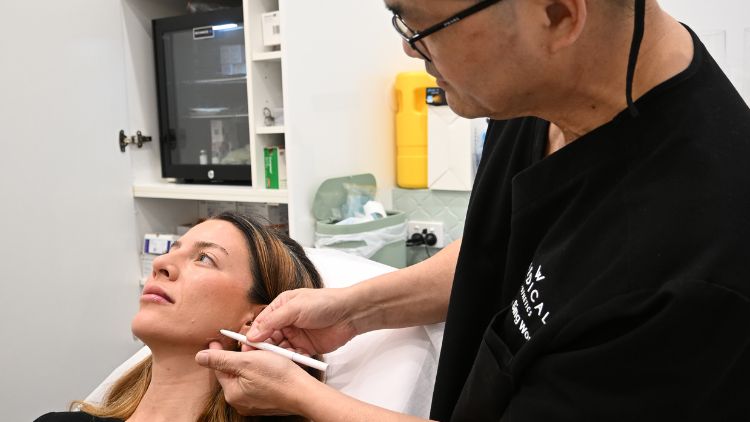
Questions to ask at your consultation
Before combining FaceTite and Morpheus8, the most useful questions clarify what each treatment is expected to change, whether both are necessary and what combining them means for recovery and risk. A consultation should also explain whether staging treatment or choosing a simpler option could reach the same goal.
- What tissue is creating the concern I can see: skin, fat, muscle position, facial volume or more than one factor?
- What is FaceTite expected to change, and what is Morpheus8 expected to change?
- Would one treatment or a staged plan meet my goal with less recovery or risk?
- Which areas and depths would be treated, and how will wanted facial volume be protected?
- What will swelling, bruising, compression and skin aftercare mean for my normal week?
- Which symptoms should prompt me to contact the clinic or seek urgent care?
- Would a surgical opinion, another procedure, waiting or no treatment be more appropriate?
Frequently asked questions
Is FaceTite the same as Morpheus8?
No. FaceTite works beneath the skin using internal and external radiofrequency electrodes, while Morpheus8 delivers fractional radiofrequency through microneedles. They overlap in some tightening goals but work differently, which is why one treatment, both treatments or a staged approach may be discussed depending on the structures being treated.
Do you need both FaceTite and Morpheus8?
Not necessarily. A Morpheus8 FaceTite combination may be considered when there are separate skin-level and deeper treatment targets. If one treatment already addresses the main concern, adding the other may increase recovery, cost and risk without enough additional value. Dr Wong assesses the role of each step before recommending a combined plan.
Can Morpheus8 and FaceTite be done together?
FaceTite and Morpheus8 may be used within the same treatment plan and may sometimes be performed during the same appointment. Whether combining or staging them is more appropriate depends on the treatment areas, energy settings, anatomy and recovery plan. The combination should not be assumed to be necessary for every patient.
Does combining FaceTite and Morpheus8 mean more downtime?
A combined treatment can create a broader recovery profile. FaceTite adds access-point and deeper-tissue recovery to the redness, swelling and pinpoint skin changes associated with RF microneedling. Recovery varies with the areas treated and individual response, so work, travel or important events should be discussed before scheduling.
How much does FaceTite with Morpheus8 cost in Adelaide?
Pricing depends on the areas treated, whether both procedures are required, whether treatment is combined or staged and the individual plan. W Medical Aesthetics can confirm current pricing after Dr Wong clarifies what each procedure is expected to contribute and whether using both is appropriate.
How Dr Wong plans the treatment
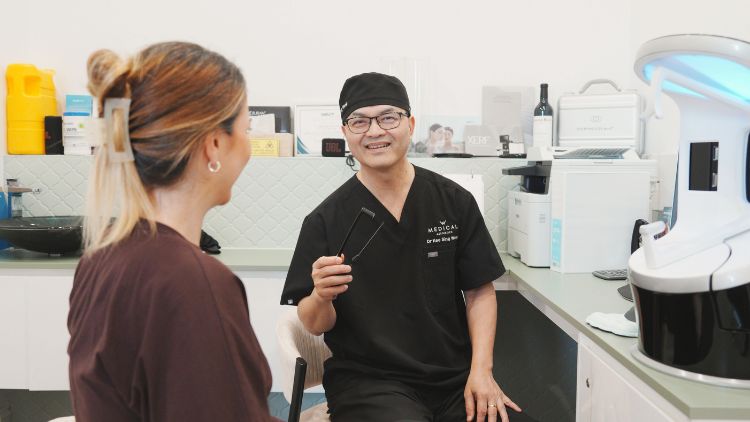
Dr Wong assesses skin quality, laxity, fat distribution, facial volume, previous procedures, medical history and the recovery you can realistically manage before recommending anything.
If both FaceTite and Morpheus8 have a clear purpose, he can explain how the steps fit together and which risks apply to you. If one component adds little value, the plan can be simplified. You may also be advised to wait or to seek a surgical opinion.
Choose the more fitting, not the “better”, option
FaceTite and Morpheus8 may complement each other when deeper contour or laxity and skin-level texture are separate, assessable concerns. The combination is more involved than either procedure alone and does not guarantee a larger or longer-lasting change. A careful assessment should establish what each step is for, what recovery you can expect and whether a simpler option would suit you better.
You can book a consultation with Dr Wong at W Medical Aesthetics in Adelaide to discuss whether FaceTite, Morpheus8, both treatments or a simpler approach suits your concern. If you are unsure whether an appointment is the right next step, you can contact the clinic with a question first.
Practitioner and information scope
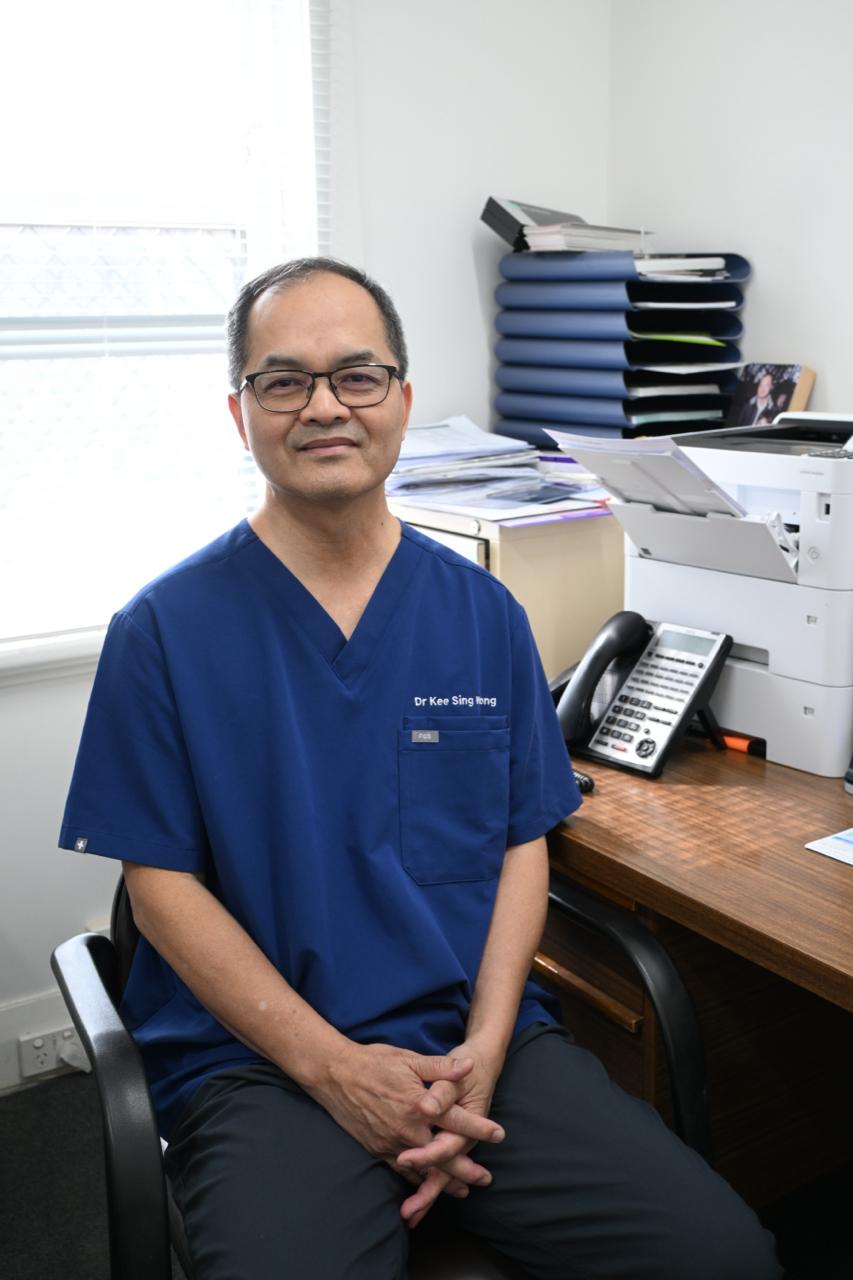
Dr Kee Sing Wong (Ahpra MED0000996242) is a registered medical practitioner with general registration and specialist registration in general practice. Registration status: Registered, as stated in the clinic’s professional profile. His FACCSM (Med) fellowship is not specialist registration in plastic surgery.
This article provides general information, not individual medical advice or a recommendation to undergo treatment. Suitability, outcomes, recovery and maintenance vary. Discuss procedure-specific risks, alternatives and the option not to proceed with the treating practitioner.