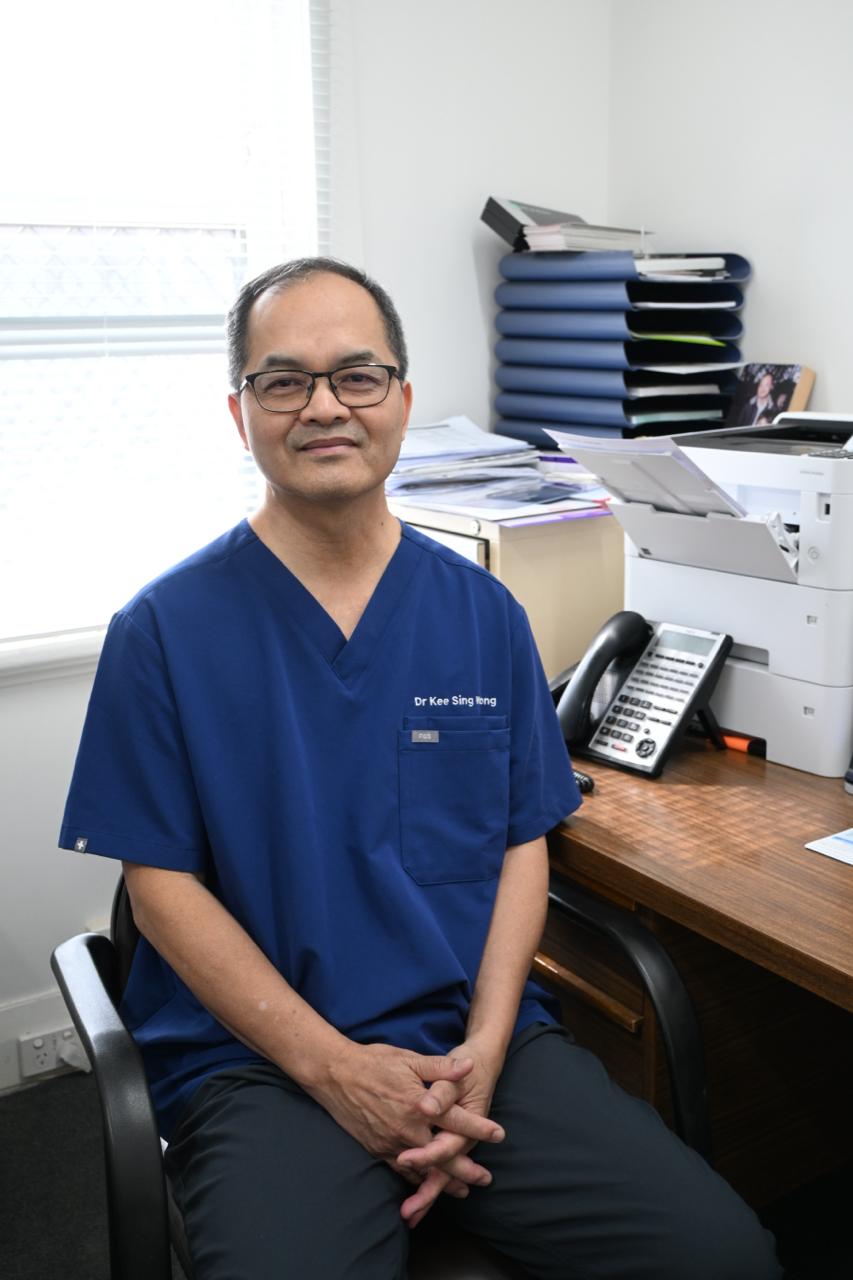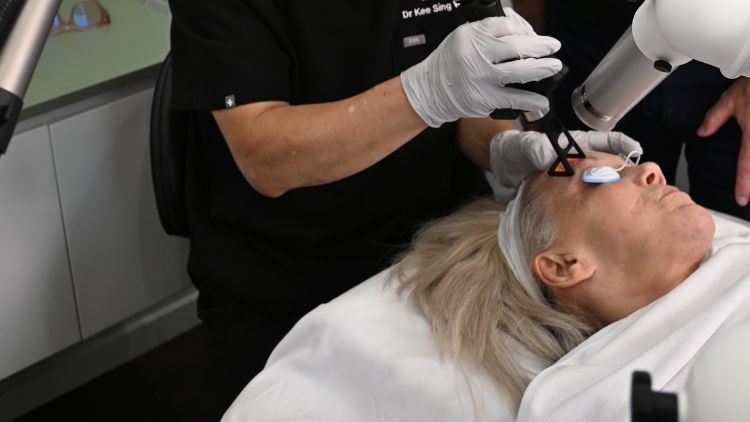
CO2 laser for melasma is usually not a first treatment choice. Heat and inflammation from resurfacing can darken pigmentation, and melasma can return even after an initial improvement. At W Medical Aesthetics in Adelaide, Dr KS Wong assesses the diagnosis, skin history and treatment goals before discussing whether any laser approach is appropriate.
Can CO2 laser treat melasma?
Small studies of fractional CO2 laser have reported some improvement in melasma, often when it was combined with other treatments. That does not make it suitable for everyone. Melasma is a recurring pigment condition, and the inflammation caused by an ablative laser can trigger further darkening.
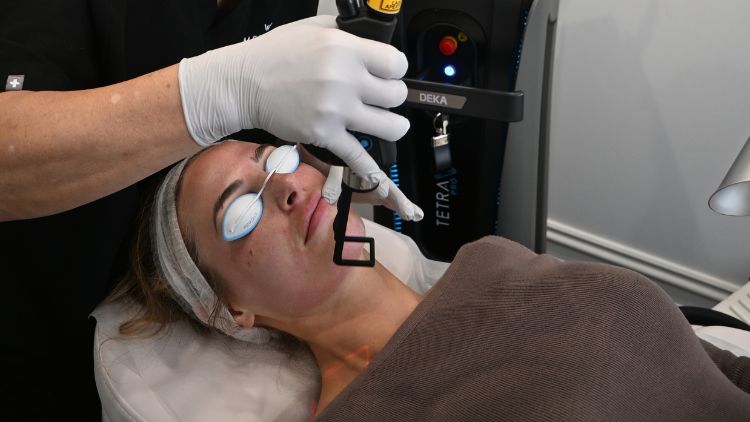
Fractional CO2 laser creates small treatment zones in the skin while leaving surrounding areas untreated. This can be useful when resurfacing is appropriate for concerns such as texture, but treating melasma involves a different balance of potential benefit and pigment risk. Patchy facial pigmentation is not always melasma, so Dr Wong first needs to confirm the diagnosis before discussing a laser procedure.
Why might CO2 laser make melasma worse?
Fractional CO2 laser for melasma creates controlled areas of skin injury. During healing, inflammation can stimulate pigment production and leave treated skin darker than before. This is called post-inflammatory hyperpigmentation. The risk deserves particular attention if your skin has developed lingering dark marks after acne, irritation or previous procedures.
Melasma can also return after it fades. Sun exposure and other triggers may continue to affect pigmentation after the skin has healed, so a short-term change does not establish lasting clearance.
When might fractional CO2 laser be considered?
A clinician may consider fractional CO2 laser for melasma in selected cases that have not responded adequately to established measures. Published research reports possible improvement, but the evidence does not support promising a predictable result for an individual patient. Dr Wong would consider the pigment pattern, skin tone, history of dark marks after inflammation and ability to follow aftercare.
An assessment is especially important when:
- Pigmentation has worsened after heat, irritation or a previous laser.
- Dark marks tend to persist after acne or minor skin injury.
- The patches have not been formally identified as melasma.
- You cannot avoid significant sun exposure during recovery.
- You are expecting laser to clear melasma permanently.
These factors do not determine suitability on their own. They help Dr Wong explain whether a melasma CO2 laser approach is worth considering or whether a different plan makes more sense.
What is usually considered before laser?
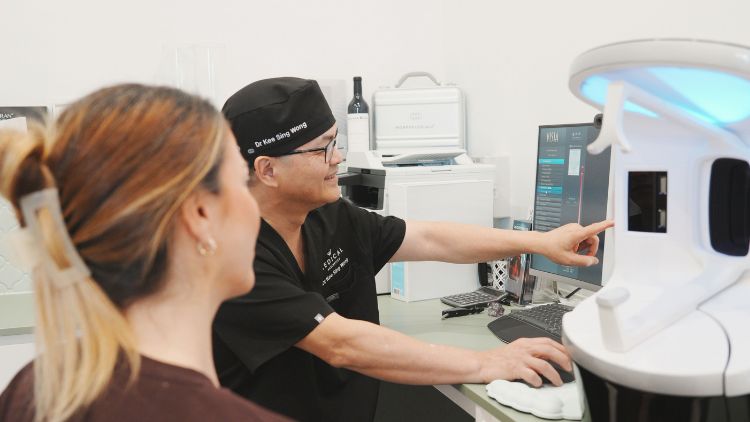
Melasma care commonly begins with consistent sun protection and an individually chosen topical treatment. Dr Wong first assesses whether the patches are melasma, their pigment pattern and how your skin has responded to previous treatments.
Daily protection matters even if a procedure is being considered. Broad-spectrum sunscreen, shade and protective clothing help limit the light exposure that can darken melasma. A tinted sunscreen containing iron oxides may also help protect against visible light, which can contribute to pigmentation.
At an assessment, Dr Wong reviews your pigment history, previous treatments and current skincare. This helps determine whether to continue a non-laser approach, consider a procedure or seek further evaluation.
What would recovery and results involve?
If Dr Wong considers fractional CO2 resurfacing appropriate, the treated skin will need time to heal visibly. Redness, swelling, sensitivity and crusting can occur, while pigment changes may become apparent later. The extent and duration depend on the treatment approach and the individual healing response.
Melasma may improve, remain unchanged or worsen. Even if patches lighten, continued management is often needed because recurrence is possible. During your assessment, Dr Wong can explain the expected recovery, the pigmentation risks and why a particular approach may or may not suit your skin.
Frequently asked questions
Is CO2 laser the best laser for melasma?
There is no single best laser for every person with melasma. Fractional CO2 is an ablative treatment with a meaningful risk of post-inflammatory pigmentation. Sun protection and topical treatment are commonly considered first, while a laser decision depends on the diagnosis, skin history and response to earlier care.
Can CO2 laser remove melasma permanently?
No permanent clearance can be promised. Some studies report improvement after ablative fractional laser, but melasma can recur and treatment can also worsen pigmentation. Ongoing protection from light remains relevant whether or not a procedure is performed.
Is CO2 laser suitable for darker skin with melasma?
Suitability requires an individual assessment. Darker skin and a history of pigmentation after inflammation can make the risk of further darkening especially relevant. Dr Wong would need to assess the pigment pattern, prior healing and reasons for considering resurfacing before recommending any laser treatment.
How much does CO2 laser for melasma cost in Adelaide?
Dr Wong first needs to determine whether laser is appropriate. If it is, the treatment area and proposed plan will affect the quoted cost. At W Medical Aesthetics, you can review the proposed approach and its costs during an assessment before deciding whether to proceed.
CO2 laser for melasma calls for a cautious decision because improvement is uncertain and pigmentation may worsen or return. If you are concerned about facial pigmentation, book an assessment with Dr KS Wong at W Medical Aesthetics in Adelaide to confirm the diagnosis and discuss suitable options.