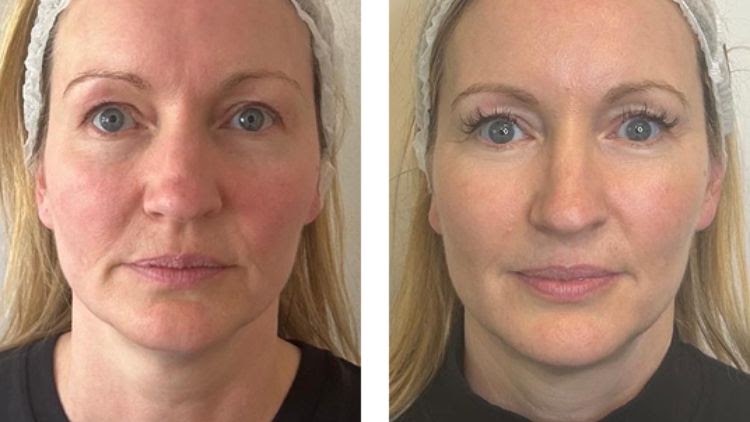
Morpheus8 before and after changes may include improvements in skin texture, fine lines and firmness. The procedure delivers radiofrequency energy through fine needles, and changes develop gradually over weeks and months. At W Medical Aesthetics in Adelaide, Dr Wong assesses your skin and anatomy before discussing the degree of change that is realistic for you.
Photographs can help you see which features changed in the treated area. To interpret them, check when the images were taken, how many appointments were involved and whether the person had other procedures. These details help you discuss the result without assuming your own skin will respond in the same way.
Morpheus 8 before and after: Changes and limitations
Morpheus8 uses controlled heating to support collagen remodelling, the gradual renewal and reorganisation of collagen within the tissue. For suitable patients, this may improve selected texture concerns, fine lines or the appearance of skin firmness. The expected change depends on the concern being treated and the condition of the underlying tissue.
A Morpheus8 face before and after comparison is most useful when the treated concern resembles your own. An improvement in cheek texture does not show how the neck or eye area would respond. These areas have different anatomy and need separate assessment.
Look at specific features rather than judging the whole face at once.
|
Feature being assessed |
Change to look for |
Limitation to discuss |
|---|---|---|
|
Uneven texture |
Reduced visibility of surface irregularities |
Some unevenness may remain |
|
Selected acne scars |
Changes in the visibility of depressions |
Scar depth and tethering affect the approach |
|
Fine lines |
Changes in visible line depth |
Lines may remain visible |
|
Skin firmness |
Changes in the appearance of laxity |
Significant excess skin is not removed |
Acne scar photographs need context because different scar structures can require different approaches. Some depressions are tethered, meaning fibrous bands pull the skin down. W Medical’s acne scarring assessment considers scar type, depth and tethering before a procedure is discussed. Treatment can soften selected scars, but complete removal should not be expected.
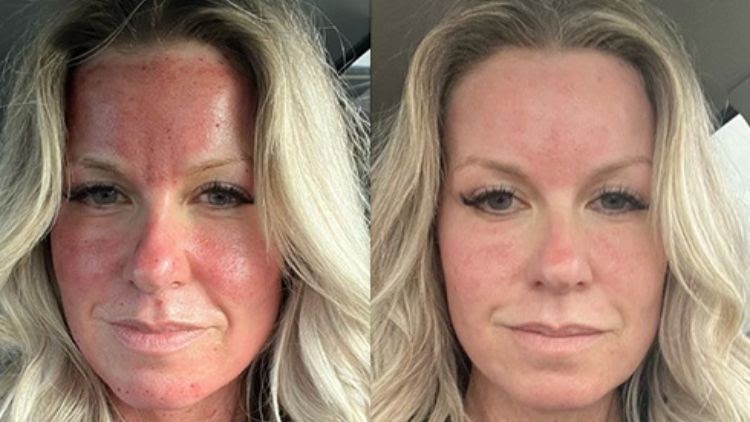
How to assess Morpheus8 before and after photos
A useful comparison shows the same person under consistent conditions, with enough information to understand the treatment involved. Differences in lighting, camera angle or facial position can change how shadows, lines and contours appear. Ahpra advises that comparison images should be genuine and presented in a way that avoids misleading expectations.
Before drawing conclusions from an image pair, check the following.
- Confirm the treatment area. Compare the same part of the face or body.
- Check the photograph dates. Establish the interval since the last procedure.
- Confirm the number of appointments. One appointment and a completed series represent different treatment histories.
- Ask about other procedures. A combined result cannot be attributed to Morpheus8 alone.
- Compare the photography. Look for consistent lighting, expression, position and framing.
A close crop can help you inspect texture, while a wider view provides context. Both should show comparable conditions. If the treatment history or photograph dates are missing, ask for that information before using the images to set expectations.
Taking consistent photographs before and after Morpheus8 gives the treating practitioner a clearer record of visible changes. At review, the images should be considered alongside your recovery, any ongoing symptoms and whether the original concern has improved.
What to expect from Morpheus8 after 1 treatment
After one appointment, the skin may look red or swollen and show small treatment marks. These early changes mainly reflect recovery. Improvements in texture or firmness develop more gradually, so photographs taken in the first few days do not show the full response.
Swelling can temporarily make the skin look fuller or smoother. Compare photographs again at the review point agreed with your practitioner, once early healing has settled. A visible change after one appointment is not guaranteed, and the response should be reviewed before deciding whether to continue.
At review, compare the visible changes with the goal discussed before treatment. Discuss how your skin has healed and whether the likely benefit of another procedure justifies its risks, recovery and cost.
When to compare early recovery with later results
Recovery and visible improvement need to be assessed separately. Redness and swelling can settle before changes in texture or firmness become apparent. InMode’s patient information describes changes developing over weeks and continuing over several months. Ask when your own result should be reviewed, based on the area and settings being considered.
|
Stage |
What may be visible |
What the review should consider |
|---|---|---|
|
Early recovery |
Redness, swelling, sensitivity or pinpoint marks |
Whether healing matches the expected course |
|
Following weeks |
Settling skin and possible emerging changes |
Whether comparison photographs are meaningful yet |
|
Following months |
Further gradual changes in texture or firmness |
The degree of response and whether further care is justified |
Arrange treatment timing around the recovery discussed for your own plan. If you have an important event, travel or work commitments, raise these before deciding to proceed. Do not assume someone else’s recovery photographs predict when your skin will look settled.
Any improvement can change over time as the skin continues to age. Further treatment should depend on reassessment of your concerns and the previous response, rather than a fixed maintenance schedule.
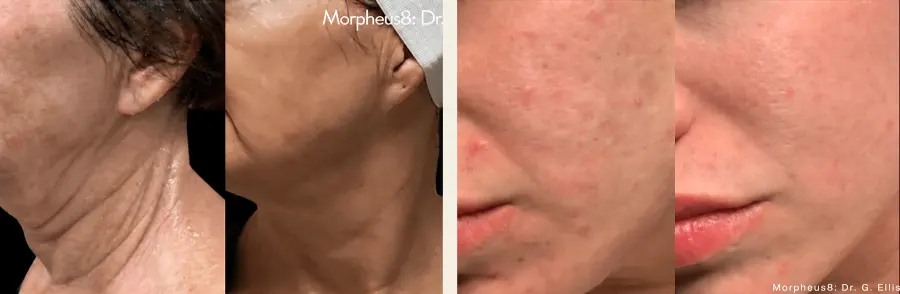
Why the same treatment can produce different outcomes
The device name alone does not describe the full procedure. Treatment area, needle depth, energy settings and the tissue being treated influence both response and risk. Your starting skin condition and previous procedures also affect what is reasonable to expect.
Facial assessment needs to distinguish skin texture and laxity from changes involving facial volume or deeper support. These concerns do not all respond to the same approach. Tell Dr Wong if preserving facial volume is a priority. Ask how your existing facial volume affects suitability and discuss the risk of unwanted fat loss.
Your assessment should also cover previous treatments, pigmentation reactions, healing difficulties and any ongoing skin inflammation. These details can change whether Morpheus8 should be considered, delayed or replaced by another approach.
If the change you want is unlikely with Morpheus8, Dr Wong can explain the limits and discuss other approaches, including waiting or choosing no procedure. W Medical’s Morpheus8 consultation information explains what is considered before a treatment plan is recommended.
Recovery and risks to consider alongside the result
Morpheus8 involves needles and heat, so recovery and complications deserve the same attention as possible improvements. Temporary redness, swelling, sensitivity, roughness and small marks can occur. Pigment changes, infection and scarring also need discussion before treatment.
In October 2025, the US FDA issued a safety communication about serious complications reported with certain uses of RF microneedling devices. These included burns, scarring, unwanted fat loss, disfigurement and nerve damage. The warning concerns RF microneedling devices as a category. It does not provide a complication rate specific to Morpheus8 or predict an individual patient’s risk.
Before proceeding, ask which risks are relevant to your anatomy and the proposed settings. Confirm who will perform the procedure, their training with the device and how concerns will be managed afterwards.
Follow the written aftercare provided for your procedure. Ask when to restart makeup, active skincare and exercise rather than following a generic online timetable. Contact the treating clinic promptly if pain, redness or swelling worsens, or if blistering, discharge or altered sensation develops.
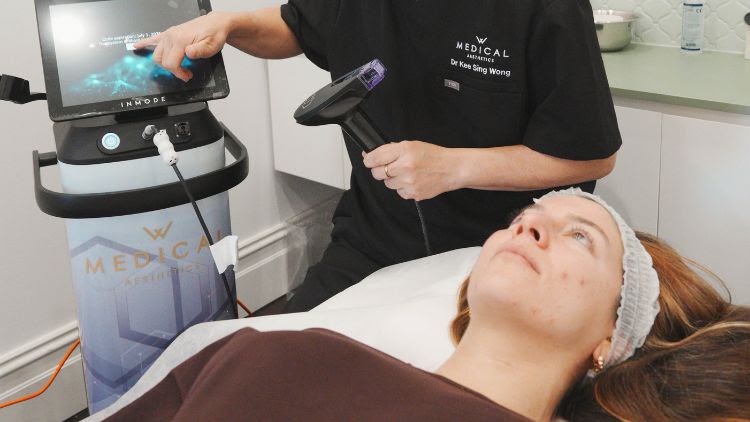
Questions to discuss before booking in
Can Morpheus8 before and after pictures predict my result?
No. Photographs document an individual outcome under particular treatment conditions. They do not predict how another person will respond. A useful discussion considers your starting concern, skin characteristics, treatment history and the degree of change you would consider worthwhile. Photographs support that conversation but cannot replace an assessment.
Can Morpheus8 replace a facelift?
Morpheus8 does not remove excess skin or reposition tissues in the way surgery can. It may be considered for selected skin quality and firmness concerns. If your expectations involve substantial lifting or excess skin removal, discuss that clearly before considering RF microneedling. The appropriate recommendation may be another approach or no procedure.
What should I know about discomfort before deciding?
Discuss the sensations to expect during the procedure, the available comfort measures and what happens if you need a pause. Confirm any preparation instructions before the appointment. The proposed measures and their limitations should be explained before you decide to proceed.
How much will my treatment plan cost?
Ask W Medical Aesthetics for a current estimate after the proposed area and approach have been assessed. Confirm the consultation fee, procedure fee, aftercare and review arrangements. If further appointments are discussed, ask how the decision to proceed will be reviewed rather than assuming a fixed number is necessary.
How long will any improvement last?
The duration of improvement depends on the treated concern, your response and continuing changes in the skin. Ask Dr Wong what is realistic for the area being assessed and how the result will be reviewed. Further treatment is a separate decision based on the remaining concern, likely benefit and relevant risks.
What should I do if I notice little change?
Contact the treating practitioner to review your response at the agreed time. The discussion should consider photograph dates, healing, treatment settings and the original goal. Ask whether more time is needed to assess the response, whether another approach is more suitable or whether further treatment is unlikely to provide enough benefit.
Discuss your expectations with Dr Wong in Adelaide
At W Medical Aesthetics in Adelaide, Dr Wong assesses your skin, anatomy, medical history and previous procedures before discussing whether Morpheus8 suits your concerns. Bring details of previous treatments and any photographs you would like to discuss. Ask what degree of change is realistic, what recovery could involve and which risks matter for the proposed area.
Book a consultation with Dr Wong to discuss your options. If you are unsure which appointment to book, contact the clinic first. You do not need to decide on a procedure before attending.
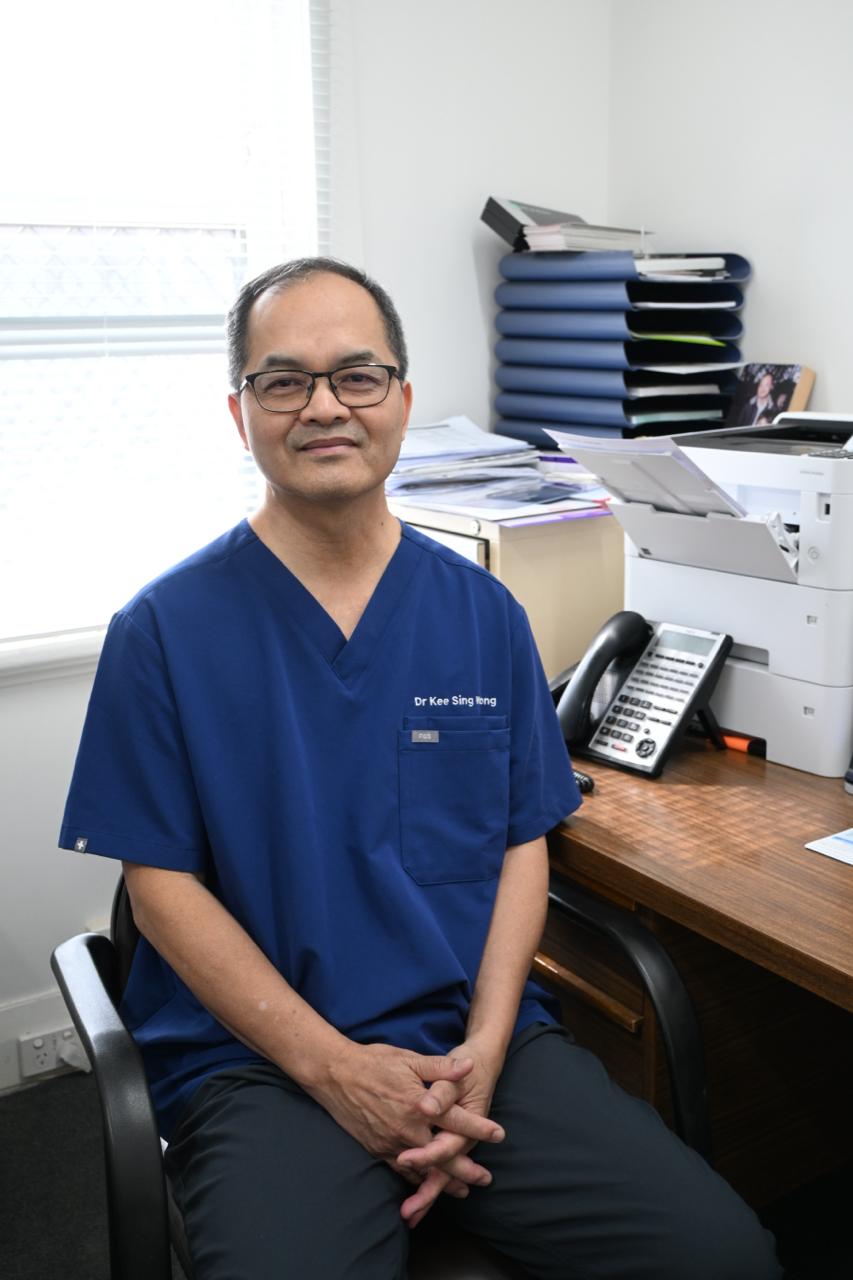
Dr Kee Sing Wong, MBBS, FRACGP, is a registered medical practitioner with general registration and specialist registration in general practice. AHPRA registration MED0000996242.
This page provides general information and does not replace an individual medical assessment. Suitability, recovery, results and maintenance requirements vary. All procedures carry risks, which should be discussed with the treating practitioner before deciding whether to proceed.