Skin quality
Rejuran may be discussed for dehydrated-looking skin, uneven skin texture and reduced skin smoothness. Changes may develop gradually over time as the skin responds.
Skin quality and hydration
Rejuran is a polynucleotide-based injectable procedure that focuses on supporting skin hydration and overall skin quality. At W Medical Aesthetics in Adelaide, Dr Wong reviews your skin concerns, medical history and goals before discussing whether this procedure aligns with your needs.
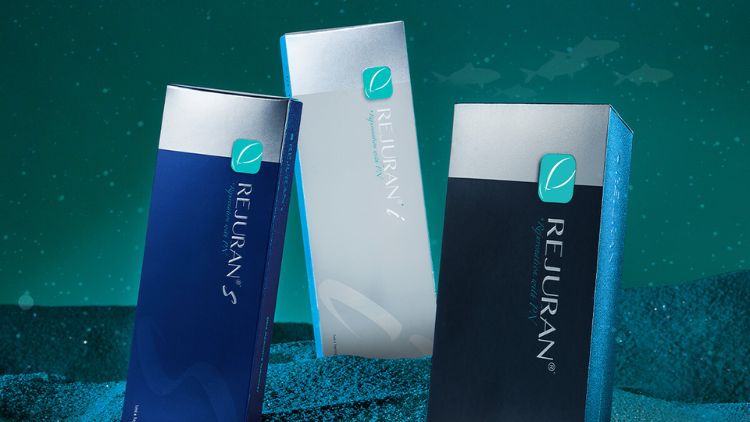
Request a consultationRejuran contains purified polynucleotides, or PN, derived from salmon DNA. It is injected into the skin to support hydration and overall skin quality without adding facial volume.
This procedure focuses on overall skin quality. It may suit patients who want gradual refinement rather than an immediate volumising effect.
Rejuran may be discussed for dehydrated-looking skin, uneven skin texture and reduced skin smoothness. Changes may develop gradually over time as the skin responds.
For acne scarring, polynucleotides may form part of a broader treatment plan. Deeper or tethered scars may require options such as subcision, resurfacing or RF microneedling. Dr Wong will assess the scar type before recommending an approach.
Polynucleotides are placed within the skin to support hydration and skin quality. The procedure works gradually and is focused on improving overall skin condition rather than creating immediate structural changes.
This is not a dermal filler. It does not aim to replace lost facial volume or reshape features. Changes may develop gradually over time as the skin responds.
Common areas include the face and under-eye region. Depending on your concerns, Dr Wong may also discuss whether areas such as the neck or selected scars are appropriate for this procedure.
The under-eye area requires particular care because the skin is thin and prone to swelling. A consultation helps determine whether an injectable procedure, laser, skincare or another option is more appropriate.
The procedure may need to be postponed or avoided during pregnancy or breastfeeding, with active skin infection, or when there is a relevant allergy or medical condition. Tell Dr Wong about medications, allergies and previous injectable reactions during consultation.
Each appointment begins with an assessment and review of your treatment plan. Dr Wong checks the areas to be treated and confirms that there are no new health concerns.
Plan for around one hour, including preparation and numbing. You may feel brief pinching, stinging or pressure during the injections. Numbing cream helps reduce discomfort, although individual sensitivity varies.
Preparing the skin for the treatment process.
Applying topical numbing cream where appropriate.
Placing small injections across the treatment area.
Reviewing aftercare before you leave.
Changes develop gradually over time rather than immediately after the procedure. Dr Wong will discuss the expected timeline and whether additional sessions are appropriate based on your skin response.
A common starting course is three appointments spaced around two to four weeks apart. The number and timing may change according to the treatment area, skin condition and response. Maintenance is individual and should follow clinical review rather than a fixed schedule.
Small raised bumps, redness, tenderness, swelling or bruising can occur after treatment. The bumps often settle within one to three days, although the under-eye area may remain puffy for longer. Individual recovery varies.
Contact the clinic promptly if pain, swelling or redness becomes worse rather than better, or if you notice signs of infection or another unexpected reaction.
Important Information: All cosmetic medical procedures carry potential risks and complications. The information provided on this website is general in nature and is not intended to replace a consultation with a qualified health practitioner. A thorough assessment is required to determine whether treatment is appropriate for your individual circumstances.
Dr Kee Sing Wong, MBBS, FRACGP, is a registered medical practitioner. AHPRA registration number: MED0000996242. Registration status: Registered.
Dr Wong will assess the areas of concern, explain realistic outcomes and discuss downtime, risks and alternatives before creating a personalised plan.
No. It is a polynucleotide-based injectable focused on skin quality rather than facial volume. It does not aim to project the cheeks, define the jawline or fill deeper folds. Other procedures may be discussed depending on your goals.
A common starting plan involves three appointments spaced approximately two to four weeks apart. Some patients need a different course based on the treatment area, skin condition and response. Dr Wong will review your progress before recommending whether maintenance appointments are appropriate.
It may support skin texture in selected types of indented acne scars, but it may not be suitable for every scar type. Rolling, boxcar and ice-pick scars may respond differently to treatment. A combined plan may include subcision, laser or RF microneedling.
Small injection bumps commonly settle within 24 to 72 hours. Swelling can last longer around the eyes or in patients who swell easily. Allow enough recovery time before an important event and contact the clinic if swelling, redness or discomfort becomes worse.
The procedure may need to be postponed or avoided during pregnancy or breastfeeding, with active skin infection, or when there is a relevant allergy or medical condition. Tell Dr Wong about medications, allergies and previous injectable reactions during consultation.
Take the next step
A consultation is the first step in deciding whether this procedure suits your skin concerns and priorities. Dr Wong will assess the areas of concern, explain realistic outcomes and discuss downtime, risks and alternatives before creating a personalised plan.
Request a consultation