Blue light · 415 nm
May form part of an acne-prone skin programme. LED does not replace medical assessment or prescribed treatment.
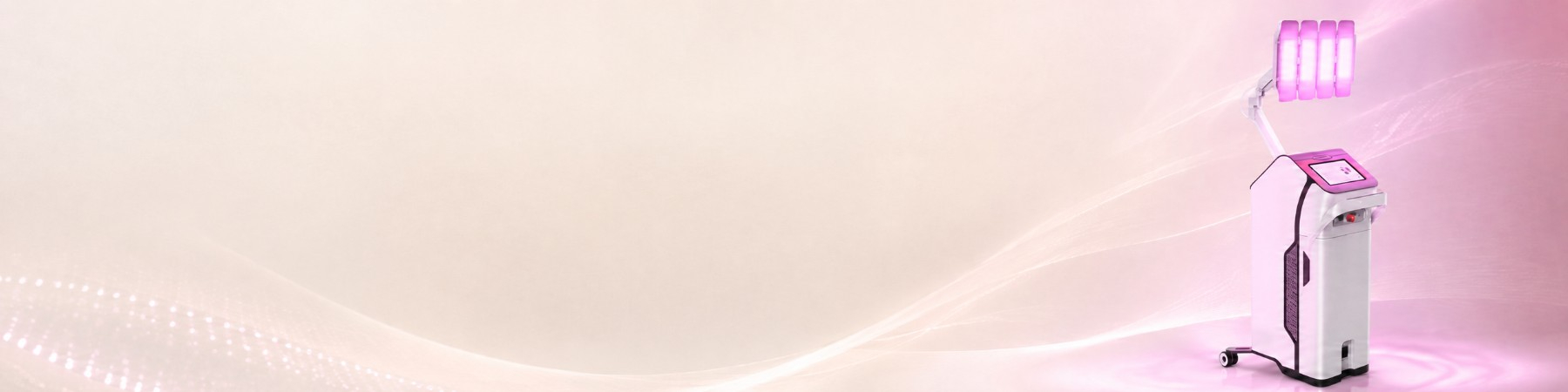
Non-invasive LED phototherapy
Discuss acne-related concerns, visible redness, skin maintenance and recovery support with Dr Wong at W Medical Aesthetics.
Request a consultationDermalux LED Light Therapy uses blue, red and near-infrared light. It is non-invasive and does not resurface the skin.
LED can be booked as a standalone appointment or used alongside selected facials and laser procedures. Dr Wong considers your skin, recent procedures and medications before recommending a suitable protocol.
May form part of an acne-prone skin programme. LED does not replace medical assessment or prescribed treatment.
May be considered for skin-quality and redness-related concerns after assessment.
May be used in selected comfort and post-procedure recovery plans. Timing depends on the primary procedure and skin condition.
LED is not resurfacing or a direct substitute for laser or BBL. Each approach has different purposes, limitations and suitability requirements.
Dermalux LED can suit patients who want a gentle treatment with little disruption to their day. It may also support a wider skin programme when one treatment alone cannot address every concern.
Dr Wong may recommend LED for:
A standalone appointment may suit someone preparing for an event or maintaining their skin between other treatments. A course may be more appropriate for ongoing concerns such as acne or recurrent redness.
LED is not a direct substitute for laser, BBL or resurfacing. It serves a different purpose and is often chosen for its gentle treatment experience and minimal downtime.
Tell Dr Wong about light-triggered epilepsy, photosensitivity, medicines and recent procedures. Protective eyewear is required during light exposure.
The appropriate wavelength or combination depends on the concern assessed, not a standard protocol for every patient.
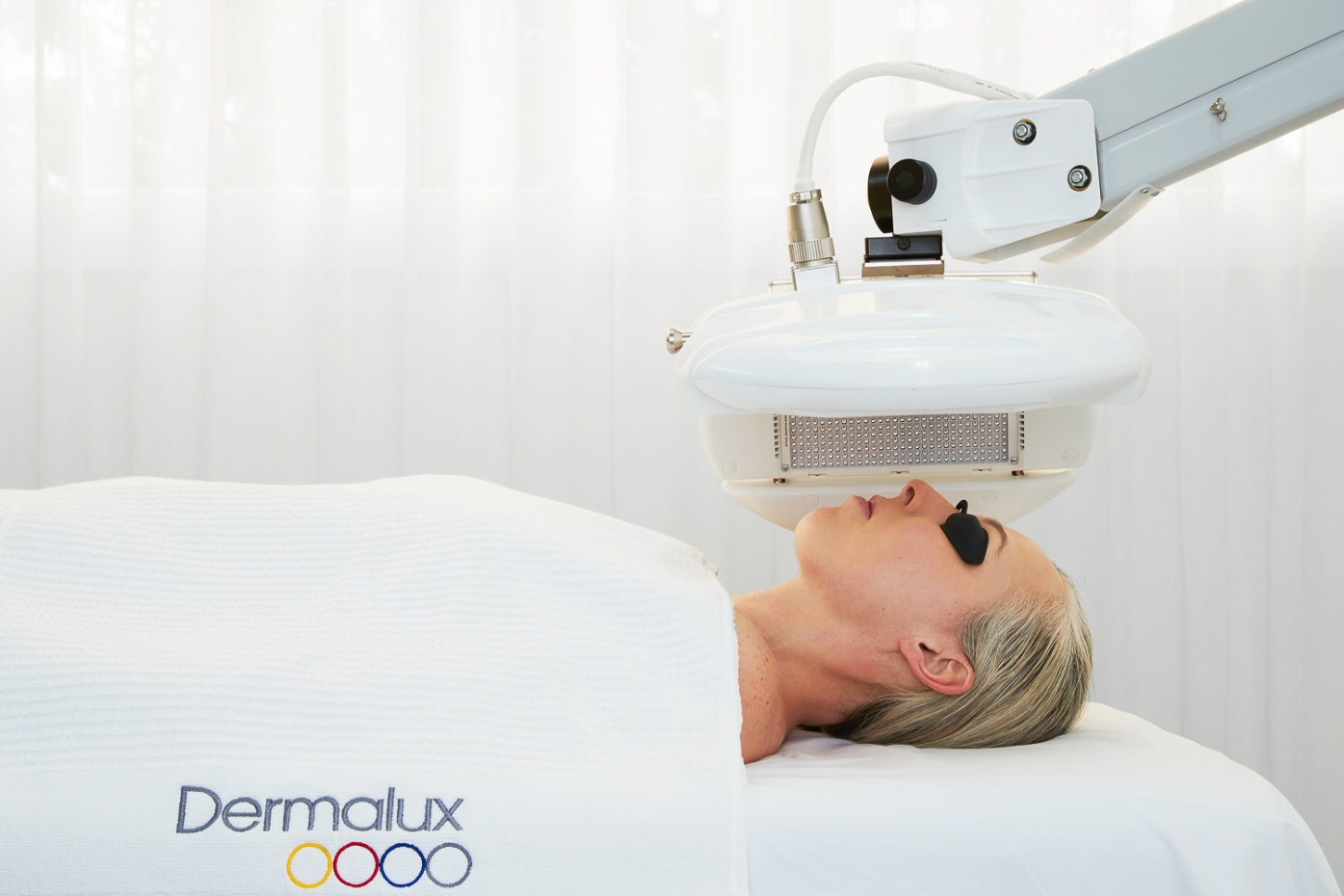
A Dermalux LED appointment is non-invasive and usually takes around 20 to 30 minutes. Your skin is prepared, protective eyewear is provided and the device is positioned over the treatment area. Normal daily activities can usually be resumed afterwards.
A typical appointment involves four stages:
The treatment involves no needles or incisions. The treatment is not designed to heat or resurface the skin, although some patients notice mild warmth during the appointment.
Most patients find the appointment comfortable and use the time to relax.
Makeup, sunscreen and skincare products are removed so the light can reach the skin evenly.
Protective eyewear is provided and worn throughout the light exposure.
The Dermalux device is positioned over the treatment area using the selected protocol.
Suitable hydration and sun protection may be applied after treatment.
A single Dermalux LED appointment may suit skin maintenance or recovery after another treatment. Ongoing concerns may require more than one appointment; the number and timing depend on assessment and response. Dr Wong will recommend a suitable frequency after assessing your skin, response and broader treatment plan.
Dermalux LED usually requires little downtime. Most patients can return to normal daily activities after the appointment. Temporary warmth or mild redness can occasionally occur and generally settles within a few hours.
Aftercare guidance includes:
When LED follows another procedure, continue following the aftercare instructions for that primary treatment. Dr Wong will explain which skincare products and activities to avoid.
Follow the aftercare instructions provided for your individual plan.
When LED follows another procedure, continue the aftercare for that primary treatment. Ask when to resume active skincare and your usual activities.
Dr Kee Sing Wong, MBBS, FRACGP, is a registered medical practitioner at W Medical Aesthetics. Discuss your concerns, medical history, alternatives, relevant risks and costs before deciding whether to proceed.
AHPRA registration number: MED0000996242
Registration status: Registered
Ask for the appointment fee and whether LED forms part of another procedure. Any proposed course should reflect your skin assessment and response rather than a fixed package.
The appropriate frequency depends on your skin concern and treatment goals. Some patients book one appointment for maintenance or recovery, while ongoing concerns may benefit from a course. Dr Wong will recommend the number and timing of appointments after assessing your skin.
Dermalux LED is non-invasive and generally well tolerated. It may not be appropriate for people with light-triggered epilepsy, severe photosensitivity or certain photosensitising medications. Tell Dr Wong about your medical history, medications and recent treatments before booking.
Blue Dermalux LED can support breakout-prone skin. Dr Wong may combine it with red or near-infrared light depending on the condition of your skin. LED often forms one part of an acne programme rather than replacing medical assessment or prescribed treatment.
Dermalux LED can complement selected facials, laser procedures and other skin treatments. However, the correct timing depends on the primary procedure, the condition of your skin and any recent injectable treatment. Dr Wong will confirm whether LED is appropriate before or after your planned treatment.
Downtime is usually minimal because Dermalux LED does not resurface the skin. Most patients can continue their normal routine after the appointment. Mild warmth or temporary redness is possible. Continue using gentle skincare and daily sunscreen, particularly when LED forms part of a broader treatment programme.
Take the next step
Dr Wong considers your skin, recent treatments and goals before recommending the wavelength, timing and frequency that may be appropriate.
Request a consultation